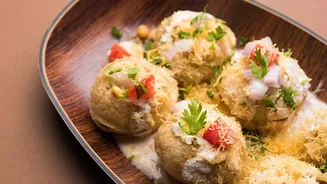


What Exactly is a Dahi Kebab?
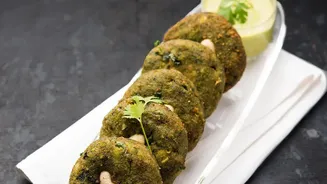
Dahi Kebab, which translates to 'yoghurt patty', is a popular North Indian appetiser renowned for its unique texture. Unlike most kebabs made from meat or vegetables, this one uses thick, strained yoghurt, known as hung curd, as its primary ingredient.
The result is a snack that is exquisitely soft and melts in the mouth, encased in a satisfyingly crunchy layer. Originating from the sophisticated Awadhi cuisine of Lucknow, these kebabs are a testament to culinary innovation. They are traditionally flavoured with a blend of gentle spices, herbs like fresh coriander, finely chopped ginger, green chillies, and sometimes filled with nuts and raisins for added texture and sweetness.
A Monsoon & Fasting Tradition
Sawan, a holy month dedicated to Lord Shiva, coincides with the monsoon season, a time when Ayurveda suggests our digestive fire (agni) is weaker. Consequently, the traditional diet shifts towards lighter, 'sattvik' foods that are easy on the stomach. Many devotees observe fasts, particularly on Mondays, avoiding grains, onions, and garlic. Dairy products like milk and curd are highly encouraged during this period, making Dahi Kebabs a fitting choice. Although they are fried, they are made from ingredients permissible during many fasts and offer a delicious, special-occasion treat that breaks the monotony of regular fasting fare. They provide a comforting warmth and rich flavour that feels indulgent yet remains within the sattvik framework.
The Secret to the Creamy Core
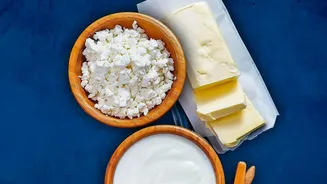
The magic of a great Dahi Kebab lies in its star ingredient: hung curd. The process is simple but requires planning. Regular curd or yoghurt is tied tightly in a muslin cloth and hung for several hours, often overnight in the refrigerator, to drain away all the excess whey. This transforms the watery curd into a thick, creamy, cheese-like mass. This step is non-negotiable; using regular curd will result in a soggy mixture that is impossible to shape and will fall apart during cooking. The quality of the final kebab depends entirely on how well the curd is strained. For the best flavour, it's crucial to use fresh, thick curd that isn't sour.
Achieving the Perfect Crisp
While the inside is soft, the exterior must be golden and crisp. This textural contrast is key. The challenge is to bind the moist hung curd mixture so it holds its shape. Binders like roasted gram flour (besan), breadcrumbs, or crumbled paneer are used to absorb any remaining moisture and give the kebab structure. Many traditional recipes favour roasted besan, which adds a nutty aroma, but paneer also adds a wonderful texture and richness. Once the mixture of hung curd, binders, and spices is gently formed into patties, they are often rolled in a light coating of flour or breadcrumbs. This final coating helps create that signature crispy crust when the kebabs are shallow-fried in ghee or oil over a medium flame. Frying them too quickly will burn the outside before the inside is warmed through, so patience is key.
Serving and Variations
Dahi Kebabs are best served hot, straight from the pan, to enjoy the crisp-creamy contrast at its peak. A simple sprinkle of chaat masala on top can elevate the flavours instantly. They are traditionally paired with a fresh green chutney, like a mint-coriander chutney, which provides a cool and herby counterpoint to the rich kebab. While the classic recipe is a masterpiece in itself, variations abound. Some cooks add finely chopped nuts like cashews for a bit of crunch within the soft patty, while others might include finely chopped onions (for non-fasting versions) or even a small amount of grated cheese for extra creaminess. Whether you stick to tradition or experiment, this Sawan delicacy is a rewarding culinary project.