



An Unprecedented Shift
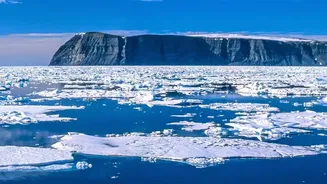
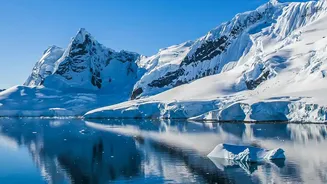
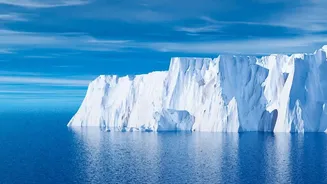
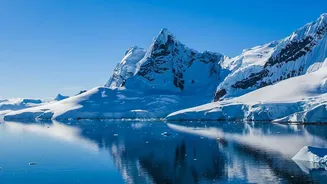
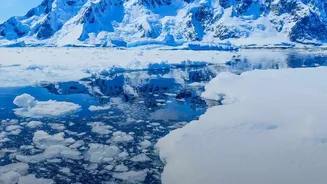
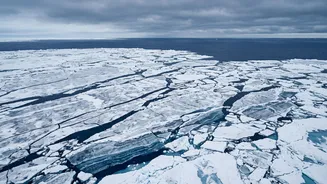
Scientists have confirmed that the winter sea ice around Antarctica peaked at its third-lowest level on record in September 2026. The ice reached its maximum extent on September 14, covering 17.59 million square kilometres, which is about one million square kilometres less
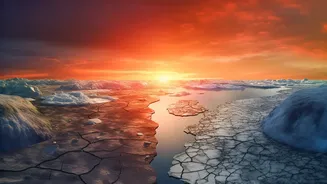
than the long-term average—an area roughly twice the size of Spain. While year-to-year fluctuations are normal, the recent trend is what alarms researchers. This year marks the fourth consecutive year that the continent's winter sea ice maximum has been among the lowest ever recorded by satellites, a pattern that began in 2023. This abrupt change suggests the region may have entered a new, low-ice state, a stark departure from the relative stability, and even slight expansion, seen in previous decades.
Why Was Antarctica Different?
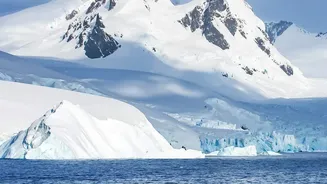
Unlike the Arctic, which is an ocean surrounded by land, Antarctica is a landmass surrounded by ocean. This geographical difference means its sea ice has always been more variable and exposed to different forces, like strong circumpolar winds and ocean currents. For a long time, these factors seemed to buffer Antarctica from the rapid, human-caused warming that has decimated Arctic ice. Some theories suggested that stronger westerly winds were actually pushing ice away from the continent, allowing more ice to form near the coast. But since 2016, that trend has dramatically reversed, leading to a steep decline that has wiped out decades of previous modest gains.
What Is Causing the Sudden Decline?
Scientists are working to pinpoint the exact cause of this sudden shift, but evidence points towards a combination of atmospheric and oceanic changes. One prominent theory is that warmer ocean water from other parts of the globe is now mixing more with the frigid surface layer around Antarctica. This influx of heat makes it more difficult for ice to form and stick around. Changes in wind patterns, likely linked to broader climate change, are also believed to be playing a crucial role by driving warmer deep water towards the surface, where it can melt sea ice from below. This suggests the Southern Ocean's long memory for storing heat may have reached a tipping point, with that stored energy now being released.
The Global Ripple Effect
The loss of Antarctic sea ice has consequences that extend far beyond the frozen continent. Sea ice acts as a planetary air conditioner by reflecting the sun's energy back into space. When it vanishes, it exposes the darker ocean beneath, which absorbs more heat, creating a feedback loop that accelerates warming—a phenomenon known as the albedo effect. While melting sea ice doesn't directly raise sea levels because it's already floating, its absence exposes the continent's massive land-based ice shelves to the force of ocean waves and warmer temperatures. These ice shelves act as a brake, slowing the flow of glaciers from the land into the ocean. Their weakening could accelerate the melting of Antarctica's vast ice sheets, which hold enough water to raise global sea levels by several metres.
What It Means for the World
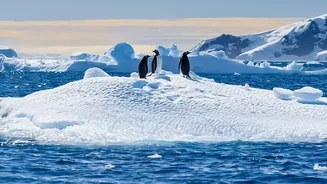
A less stable Antarctica has profound implications for global climate patterns. The continent's cold, dense water is a key driver of global ocean circulation, which helps regulate weather systems worldwide. Changes in this circulation could have unpredictable effects on climate far away. For nations like India with extensive, low-lying coastlines and densely populated cities, the threat of accelerated sea-level rise is a direct and serious concern. The health of the Antarctic ecosystem is also at stake. Species from emperor penguins to krill—the foundation of the Southern Ocean food web—depend on sea ice for breeding, feeding, and shelter. Its decline threatens to trigger a cascade of ecological disruption with lasting consequences.