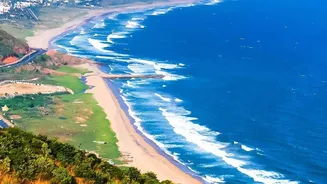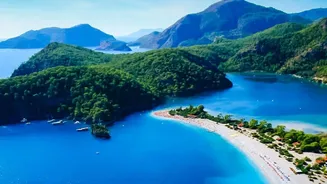







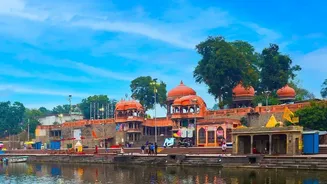
Why the Sudden Focus on the Coastline?
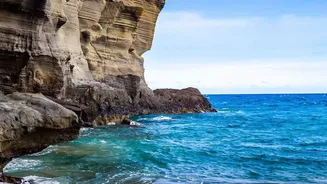
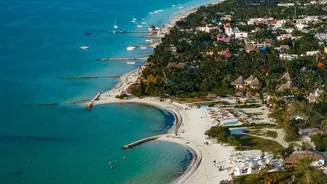
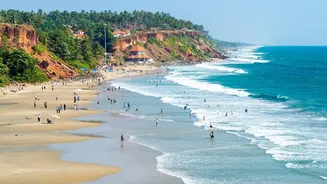
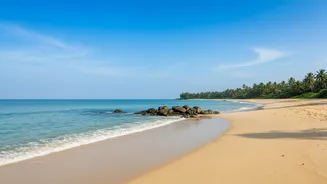
For years, Karnataka's beautiful beaches have been overshadowed by their more famous counterparts in neighbouring Goa and Kerala. Recognizing this untapped potential, the state government has decided that its coastline is a key asset in boosting tourism
and the local economy. The new push is part of a broader vision outlined in the proposed 'Coastal-Malnad Karnataka Tourism Policy 2026'. The goal is to systematically develop the coastal region, not just as a collection of beaches, but as a premier, globally competitive destination that offers high-quality experiences for both domestic and international travellers. This involves a significant shift from ad-hoc development to a structured, well-funded strategy.
The Blueprint for 'Cleaner' Beaches
A major pillar of the new strategy is a relentless focus on cleanliness and environmental standards. The government aims to secure the prestigious 'Blue Flag' certification for more of its beaches. This internationally recognised eco-label is awarded only to beaches that meet stringent criteria for water quality, environmental management, safety, and accessibility. Karnataka already boasts three Blue Flag beaches—Padubidri, Kasarkod, and Tannirbhavi—which serve as a model for what's possible. Achieving this standard involves robust waste management systems, eliminating plastic, maintaining spotless facilities, and ensuring the surrounding ecosystem is protected, promising a visibly cleaner and more pleasant environment for visitors.
Making Safety a Top Priority
A beautiful beach is only truly enjoyable when it feels safe. The new government initiative places a strong emphasis on enhancing safety and security infrastructure along the coast. While specifics are being detailed in individual master plans, the framework calls for improved safety measures to ensure a high-quality visitor experience. This typically includes deploying trained lifeguards, installing watchtowers for better surveillance, ensuring proper lighting for evening safety, and maintaining clear safety signage. For beaches aiming for Blue Flag status, robust safety protocols are non-negotiable, providing peace of mind for families, solo travellers, and everyone in between.
What Makes a Beach 'Distinctive'?
Perhaps the most exciting part of the plan is the move away from a one-size-fits-all approach. The government intends to create a separate 'Tourism Development Master Plan' for each beach, tailored to its unique character and potential. This means some beaches might be developed into hubs for water sports and adventure, with plans already in motion for a Surf Academy at Sasihithlu. Others might focus on wellness tourism, eco-tourism, or celebrating local culture and cuisine, with the state even considering easing regulations to allow for beach shacks like those in Goa. This curated approach aims to give each destination its own identity, whether it's a tranquil retreat, a family-friendly hub, or an adventure hotspot, offering visitors a much richer and more varied coastal experience.
A New Chapter for Coastal Karnataka
The transformation will span six districts across the coastal and Malnad regions. While master plans are being drawn up for numerous locations, the government is already upgrading key beaches like Tanneerbhavi, Someshwara, Maravanthe, and Honnavar to kickstart the process. The strategy also includes developing infrastructure such as a luxury yacht marina in Udupi and improving connectivity through heli-tourism and seaplanes. By blending public investment with private partnerships, the state aims to build world-class resorts, amenities, and attractions. This comprehensive vision is about more than just a facelift; it's about fundamentally rebranding the Karnataka coast as 'Brand Karavali Karnataka'—a premier gateway for sustainable hospitality.