



The Spirit of the Harvest
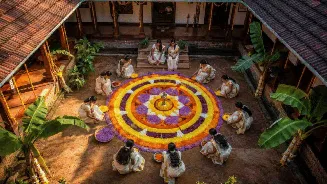
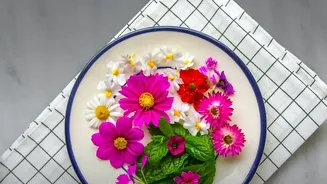
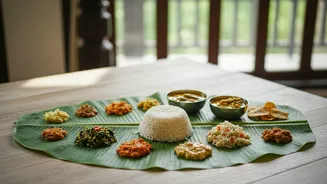
Onam is the most anticipated festival in Kerala, a 10-day celebration marking the homecoming of the mythical King Mahabali. The festivities, which in 2026 will see their main day, Thiruvonam, fall on August 26, are a sensory explosion of floral carpets
(Pookalam), grand feasts (Sadhya), and communal joy. At the very heart of this cultural spectacle are the traditional dance forms that transform streets and temple grounds into stages. These dances aren't mere entertainment; they are storytelling vehicles, ritual expressions, and a powerful statement of cultural identity, ensuring the legends and values of the past resonate in the present. Each performance is a thread in a rich tapestry that connects communities and generations.
Kathakali: The Epic in Motion
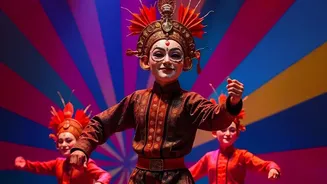
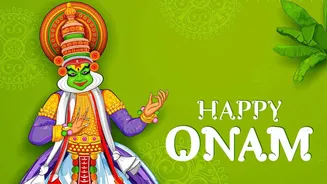
No discussion of Keralan performance art is complete without Kathakali. A highly stylized classical dance-drama, Kathakali means 'story-play', and it brings to life tales from Hindu epics like the Ramayana and Mahabharata. Performers undergo rigorous training to master its complex language of 24 core hand gestures (mudras), expressive facial movements, and dramatic body language. The visual aspect is stunning, with elaborate costumes and symbolic makeup that can take hours to apply. During Onam, Kathakali performances often narrate stories related to the Vamana avatar of Vishnu or the virtuous reign of King Mahabali, connecting the festival's origin story directly to this powerful art form. It is a dramatic and deeply spiritual experience that serves as a pillar of Kerala's cultural heritage.
Thiruvathirakali: The Dance of Grace and Community
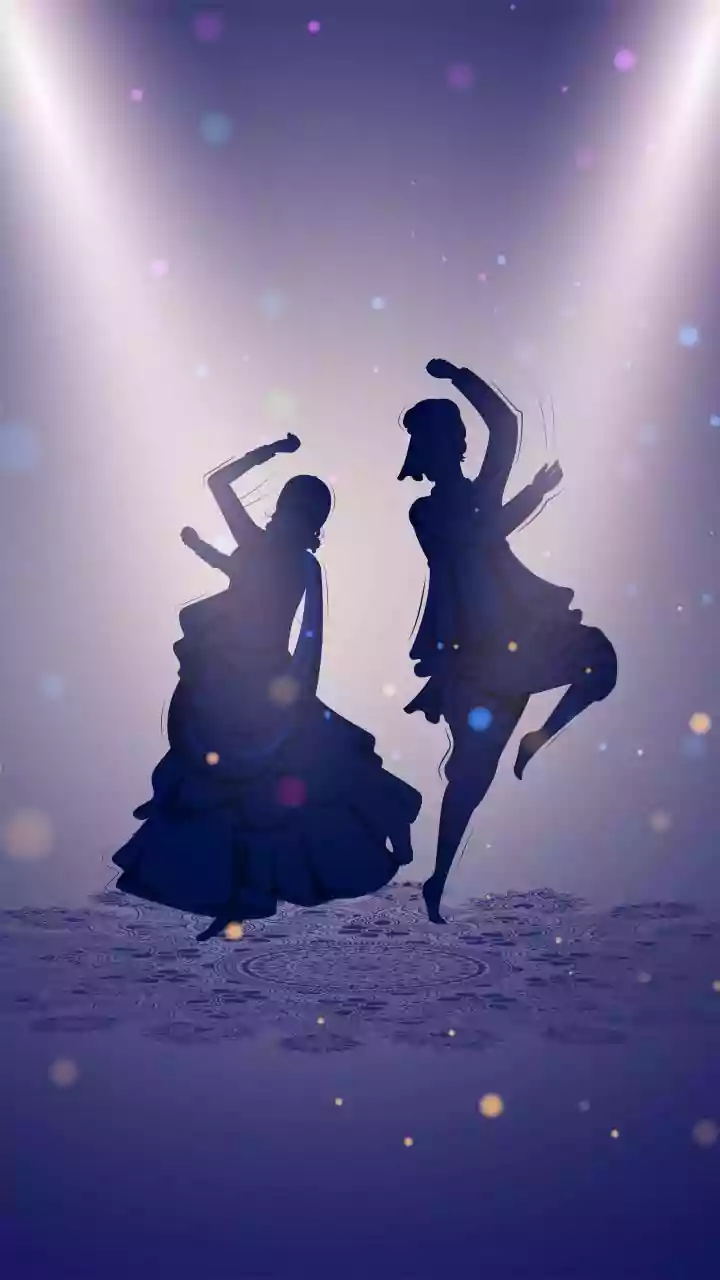
In gentle contrast to the dramatic intensity of Kathakali is Thiruvathirakali, also known as Kaikottikali. This graceful group dance is performed exclusively by women, dressed in traditional white and gold kasavu sarees. They move in a circle, often around a lit lamp (Nilavilakku), their steps synchronized with rhythmic clapping and melodious songs that celebrate love, mythology, and womanhood. Thiruvathirakali embodies a sense of communal harmony and is a beautiful expression of cultural grace. Performed during Onam, it transforms homes and public spaces into arenas of collective celebration, representing the unity and cooperative spirit that the festival promotes.
Puli Kali: The Playful Roar of the Tiger
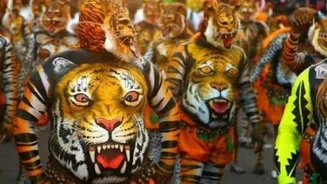
One of the most energetic and visually spectacular events of Onam is the Puli Kali, or 'Tiger Dance'. This folk art form, most famously performed in the Thrissur district, sees hundreds of performers with their bodies painstakingly painted as tigers and leopards. The process can take several hours, turning the dancers into a vibrant procession of yellow, red, and black. To the powerful beats of percussion instruments like the chenda and thakil, these 'tigers' enact scenes of the hunt, moving with a playful and wild energy through the streets. The Puli Kali is a celebration of raw, masculine energy and nature, and its joyous, slightly chaotic spirit captures the unbridled happiness of the Onam season.
A Legacy That Dances On
What makes these traditions so special in 2026 is that they are not relics of a forgotten past. They are, in the truest sense, a living heritage. From the rigorous training at institutions like the Kerala Kalamandalam to community groups in villages, these art forms are actively practiced and passed down. Younger generations are embracing these dances, ensuring their survival not as museum pieces but as evolving traditions. The continued popularity of Kathakali, the community spirit of Thiruvathirakali, and the sheer spectacle of Puli Kali demonstrate a deep cultural pride. These dances are a dynamic conversation between the past and the present, ensuring that the stories, rhythms, and spirit of Kerala continue to thrive for generations to come.