



A Mission with a Twist
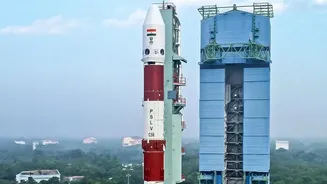
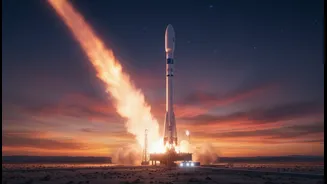
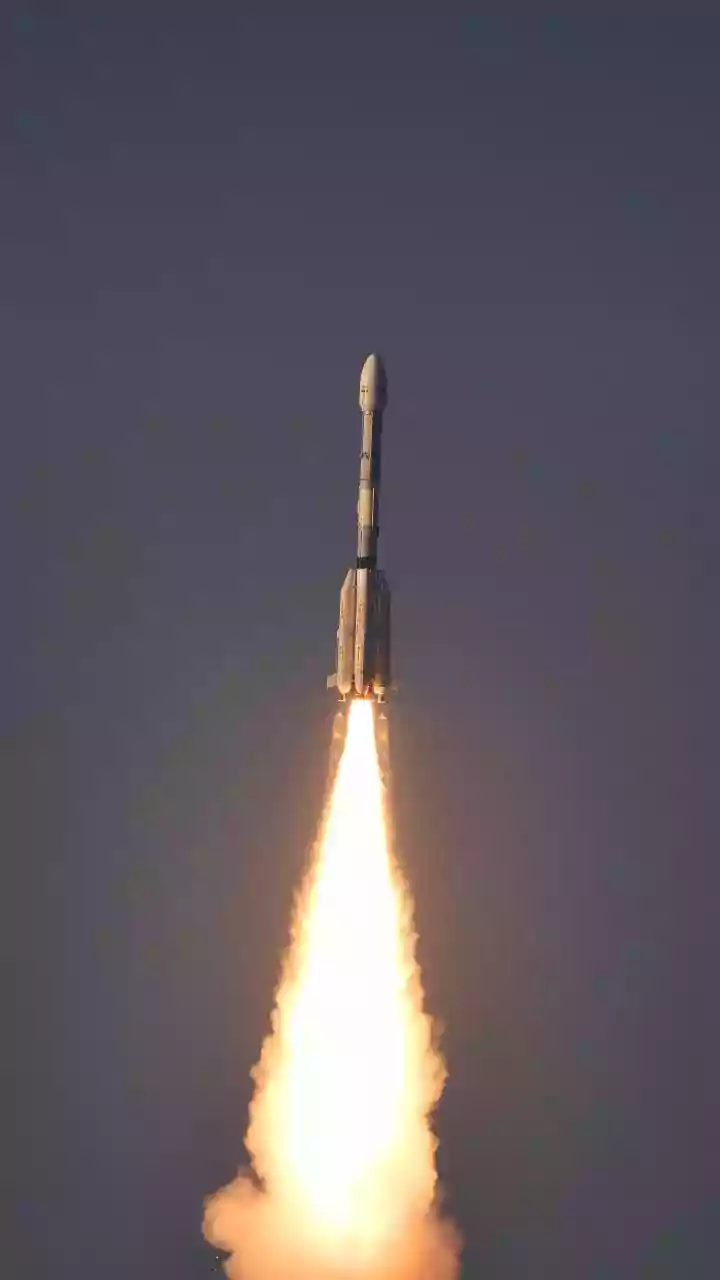
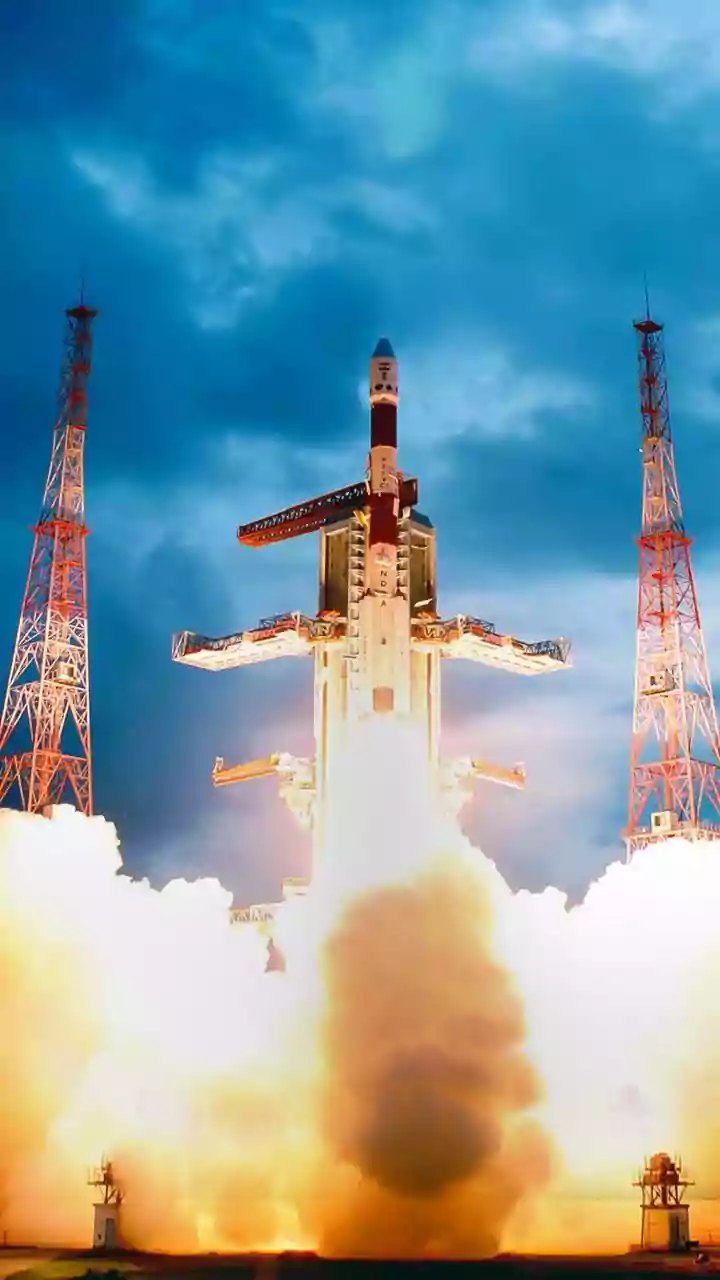
Chennai-based startup Agnikul Cosmos is gearing up for its next orbital mission with its Agnibaan rocket, and it has a secondary objective that could redefine spaceflight in India. While the primary goal is to place customer satellites into orbit, the company
will also attempt to recover the rocket's first stage after it separates. This mission, dubbed Mission-02, represents a bold step for a private Indian firm, moving beyond simple launches to tackle the complex challenge of reusability. The plan involves the booster executing a controlled descent before landing on a barge in the Bay of Bengal. This ambitious goal comes on the heels of Agnikul's successful suborbital test flight in May 2024, which validated the core technologies needed for such a maneuver. Even the upper stage of the rocket is designed for a longer life, with plans to convert it into an in-space platform for experiments instead of letting it become orbital debris.
The Holy Grail of Modern Rocketry
For decades, rockets were single-use machines. Costing hundreds of millions of dollars to build, they were designed to burn up or be discarded in the ocean after a single flight. Reusability, the technology pioneered and perfected by SpaceX, changed everything. By designing a rocket's first stage—the largest and most expensive part—to fly itself back to Earth and land vertically, launch costs can be slashed dramatically. This isn't easy. It requires the booster to carry extra fuel, landing legs, grid fins for steering, and sophisticated onboard computers to manage the entire descent and landing sequence. However, the economic payoff is enormous. A reusable rocket can fly multiple missions, transforming the financial model of space access from an incredibly expensive, bespoke affair into something more akin to commercial aviation. If Agnikul succeeds, it would mark India's entry into this exclusive club, a capability that even many state-run space agencies are still chasing.
An Economic Lift-Off for India
Successfully recovering a rocket is more than a technical victory; it is a strategic business move. The global market for launching small satellites is worth billions of dollars, and the primary barrier to entry is cost. By developing reusable rockets, Indian companies can drastically lower their launch prices and compete directly with international players. This would not only attract foreign customers but also democratize space access within India itself. Universities, research institutions, and a growing number of tech startups could suddenly afford to launch their own satellites, fostering an unprecedented wave of innovation. Cheaper, more frequent launches are the key to unlocking the full potential of the space economy, from satellite internet constellations to Earth observation services. This mission is a crucial test of a business model that could position India as a dominant force in the commercial space launch market.
A New Space Race at Home
Agnikul is not alone in this pursuit. Hyderabad-based Skyroot Aerospace, which recently became the first Indian private company to launch an orbital-class rocket with its Vikram-1, also has reusability in its long-term plans. Both companies, founded by former ISRO scientists, are at the forefront of a burgeoning private space ecosystem in India, which has been actively encouraged by government policy reforms since 2020. This healthy competition is accelerating innovation, with both firms pushing the boundaries of what's possible. While ISRO is developing its own heavy-lift reusable rocket, the NGLV, it is not expected to be operational until the mid-2030s. This gives nimble startups like Agnikul and Skyroot a window to prove the technology and capture the market for smaller payloads first, potentially beating the national space agency to this significant milestone.