





More Than a Shelf
A memory corner is a dedicated space in your home designed to hold sentimental items, but it's much more than a simple shelf of photographs. It is a thoughtful, curated vignette that tells a personal story. The goal isn't clutter, but a cohesive and artful
display that blends personal heirlooms with your home's aesthetic. It’s a physical space to connect with the past, creating a sanctuary where memories and the present moment meet. By carefully selecting objects that hold significance, you can create an emotional anchor in your home, a quiet spot for reflection and gratitude.
The Soft Foundation of Textiles
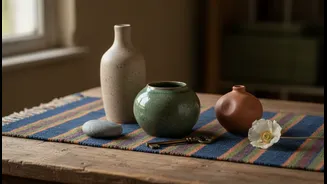
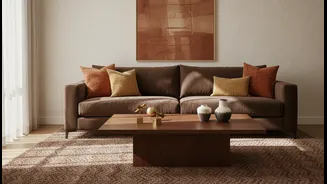
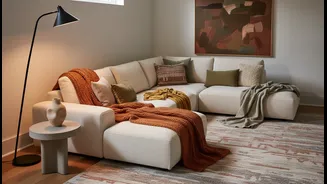
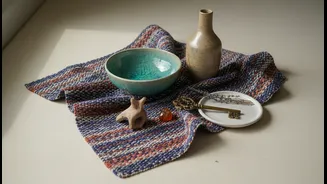
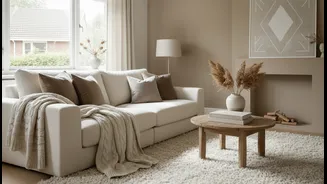
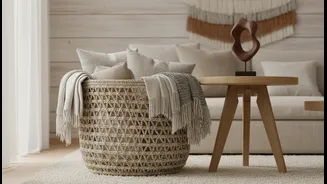
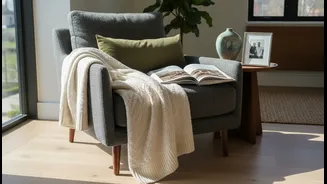
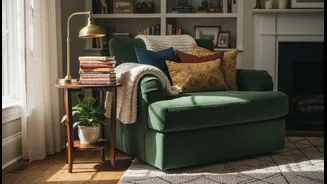
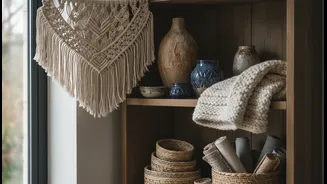
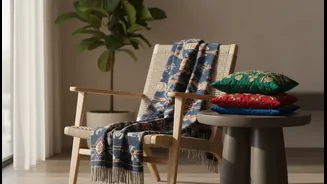
Textiles provide the soft, tactile backdrop for your memory corner. Think of them as the foundation that adds warmth, color, and emotional resonance. A hand-woven wall hanging, a small folded quilt from a grandparent, or even a piece of patterned fabric framed as art can serve as the visual anchor for your display. You can drape a meaningful scarf over the edge of a shelf or use a vintage linen runner to define the surface area. These fabric elements soften harder objects and introduce a layer of coziness. The texture of a chunky knit, smooth silk, or rustic linen can evoke feelings and memories, adding depth that goes beyond the visual.
The Grounding Power of Pottery
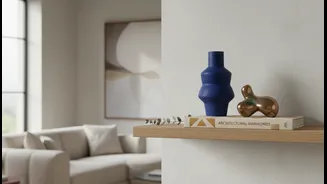
If textiles provide the softness, pottery provides the structure and form. Handcrafted ceramic pieces add a sense of groundedness, weight, and artistry to your display. These can be functional items like a vase holding dried flowers, a small bowl for meaningful trinkets, or purely sculptural forms that you connect with. The beauty of pottery lies in its variety; you can mix and match different shapes, glazes, and textures to create visual interest. A smooth, glazed vessel can contrast beautifully with a rough, unglazed piece. Don’t be afraid to group items, perhaps in threes, to create a dynamic and balanced composition. A single, beautiful mug that reminds you of slow mornings or a unique planter can be just as powerful as a large, sculptural vase.
Creating a Harmonious Vignette
The art of a beautiful memory corner lies in the interplay between objects. It’s about creating a conversation between the soft textiles and the solid pottery. Start by choosing a location, whether it's a floating shelf, the top of a dresser, or a quiet nook. Begin with your largest textile piece, perhaps a wall hanging or a runner, to define the space. Then, start layering your pottery. Place taller vases or objects towards the back and smaller bowls or decorative items in the front to create depth. Vary the height and scale of your objects to guide the eye through the display. Weave in other personal items, such as framed photos, old books, or handwritten notes, letting them rest against the pottery or sit atop a stack of linens. The key is to integrate, not overwhelm, allowing each piece to have its own space while contributing to the whole story.
A Story That Evolves
A curated memory corner is not a static display. It should be a living part of your home that evolves with you. You can rotate items seasonally or as new memories are made. Perhaps a ceramic bowl holds seashells from a summer trip, which are then replaced by pinecones displayed on a woollen cloth in the autumn. The process should feel natural and unforced; if you aren't ready to display certain items, it is perfectly fine to wait. Start with just a few pieces that speak to you and allow the collection to grow organically. The most compelling memory corners are those that are not designed all at once but are built over time, reflecting a life rich with experience and love.