






Deconstructing the 'Healthy' Sweetener
It’s easy to see why honey is so appealing. Drizzled over yoghurt or stirred into tea, it feels infinitely more virtuous than spooning out white sugar. This perception comes from its natural origin and its long history as a folk remedy. But from a chemical
standpoint, the story is more complex. Honey is, first and foremost, a type of sugar. It is primarily composed of fructose (about 38%) and glucose (about 31%), along with water and small amounts of other sugars. So, when you consume honey, your body is processing it as what it is: a concentrated source of sugar. While it contains trace amounts of vitamins, minerals, and amino acids, these are generally too small to have a significant nutritional impact.
Honey vs. Table Sugar: The Showdown
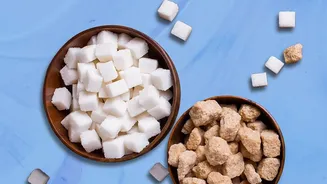
The key difference between honey and table sugar (sucrose) lies in their structure. Table sugar is made of glucose and fructose molecules bonded together, which your body must break apart. In honey, thanks to enzymes from bees, these two sugars are mostly separate, making them easier for your body to absorb. This leads to a difference in their Glycemic Index (GI), which measures how quickly a food raises blood sugar. Table sugar has a GI of around 65, while honey's GI is typically lower, ranging from about 45 to 64 depending on the variety. This means honey generally raises blood sugar a bit more gradually than sugar does. However, honey is denser and contains slightly more calories and carbohydrates per tablespoon than granulated sugar. One tablespoon of honey has about 64 calories, compared to about 49 in a tablespoon of sugar.
More Than Just Sweetness
Where honey truly distinguishes itself is in its additional compounds. Unlike refined sugar, which offers empty calories, honey contains beneficial antioxidants like flavonoids and phenolic acids. These substances help protect your cells from damage. Darker, less processed honeys tend to have higher antioxidant levels. Furthermore, honey has well-documented antibacterial and anti-inflammatory properties and has been used for centuries to help soothe coughs and treat wounds. Raw honey, which isn't heated or heavily filtered, retains more of these beneficial enzymes and compounds, including bee pollen, compared to highly processed commercial honey.
The Bottom Line on Blood Sugar
Despite its lower GI, honey is not a 'free food', especially for individuals who need to manage their blood sugar levels, such as those with diabetes. It still causes a rise in blood glucose. While some research suggests honey may have a slightly better effect on blood sugar control compared to sucrose, it must be consumed in moderation. The key is portion control. Using too much honey can negate any potential benefits and lead to the same health risks associated with excessive sugar intake, including weight gain and an increased risk of type 2 diabetes and heart disease.
How to Use Honey Wisely
The healthiest way to enjoy honey is to treat it as you would any other added sugar: mindfully and in small amounts. Because it is often sweeter than table sugar, you may be able to use less of it to achieve the same level of sweetness, which can help save calories. When choosing a honey, opt for raw and darker varieties if possible, as they tend to retain more of the beneficial compounds lost during processing. Use it to add flavour and a touch of sweetness, not as a primary ingredient. A small drizzle over your morning oatmeal or a teaspoon in your tea is a reasonable way to incorporate it into a balanced diet. Remember, the 'natural' label is not an invitation to overindulge.