






Embrace Different Cooking Methods
How you cook your food can dramatically alter its nutritional profile. Frying, which submerges food in hot fat, can add a significant number of calories. Exploring other techniques not only reduces fat but can also preserve more nutrients. Steaming, for
instance, is excellent for vegetables as it helps them retain their colour, crunch, and water-soluble vitamins. Baking and roasting require minimal oil and are perfect for everything from fish to potatoes. Grilling is another fantastic option, as it allows fat to drip away from the food while imparting a smoky flavour. Even a simple non-stick pan can allow you to sauté with just a splash of water or broth instead of oil, a technique known as steam frying.
Build Flavour Without the Fat
One reason we rely on oil is for flavour, but it's far from the only tool at our disposal. A well-stocked spice rack is a healthy cook's best friend. Herbs and spices add complexity and depth to any dish without adding a single calorie or gram of fat. Don't underestimate the power of acidity, either. A squeeze of lemon or lime juice or a splash of vinegar can brighten flavours and cut through richness, reducing the need for salt and fat. Roasting vegetables brings out their natural sweetness, while fresh herbs like basil, coriander, and mint can transform a simple meal into something special. By focusing on these flavour-building blocks, you can create satisfying dishes that don't depend on oil.
Start with Whole Ingredients
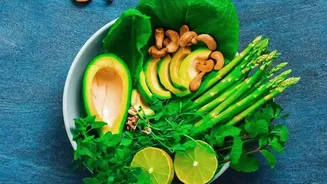
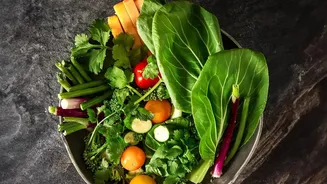
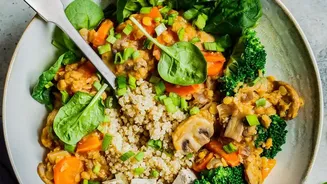
Truly healthy cooking begins long before you turn on the stove; it starts at the grocery store. Building your meals around whole foods—those that are minimally processed and close to their natural state—is fundamental. Whole foods like fruits, vegetables, lean proteins, and whole grains are packed with essential nutrients, including fibre, vitamins, and minerals. Fibre helps you feel fuller for longer, which can aid in weight management. A diet rich in whole foods naturally contains less of the added sugar, salt, and unhealthy fats often found in processed products. When your ingredients are high-quality and nutrient-dense, you don't need much to make them taste great.
Practice Mindful Cooking and Eating
Developing healthier habits extends beyond the food itself to the way you prepare and consume it. Mindful cooking is about being fully present in the process, from chopping vegetables to watching them cook. This practice encourages you to slow down, engage your senses, and appreciate the nourishment you're creating. It can turn a daily chore into a relaxing, meditative experience. This mindfulness can then extend to the dinner table. Eating slowly, without distractions like phones or television, allows you to better recognize your body's hunger and fullness cues. This helps prevent overeating and fosters a deeper appreciation for your meal.