

The Great 'Healthy Diet' Misconception
In a country where vegetarianism is deeply rooted in culture, many assume that avoiding meat is a direct path to good health. While studies have shown that certain vegetarian diets are associated with a lower likelihood of diabetes compared to non-vegetarian
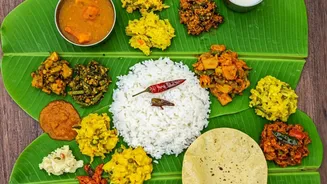
diets, this protection is not guaranteed. The problem isn't the absence of meat but the presence of other high-risk ingredients that dominate the modern Indian vegetarian plate. The belief that any vegetarian meal is inherently healthy overlooks a crucial detail: the quality and quantity of the ingredients being consumed. It's not about being vegetarian, but about how you practice it.
The Carbohydrate Culprit
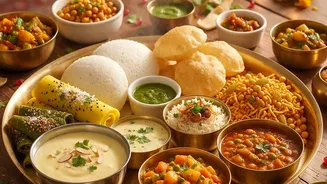
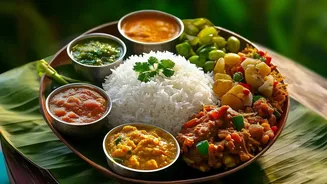
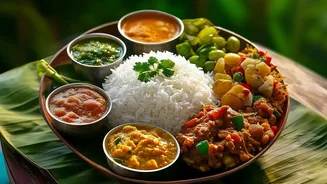
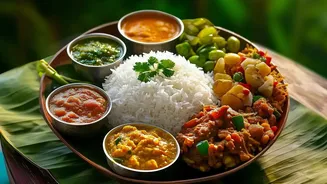
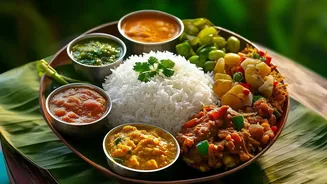
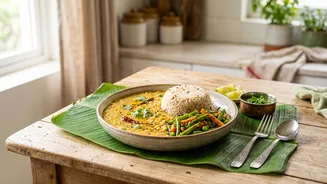
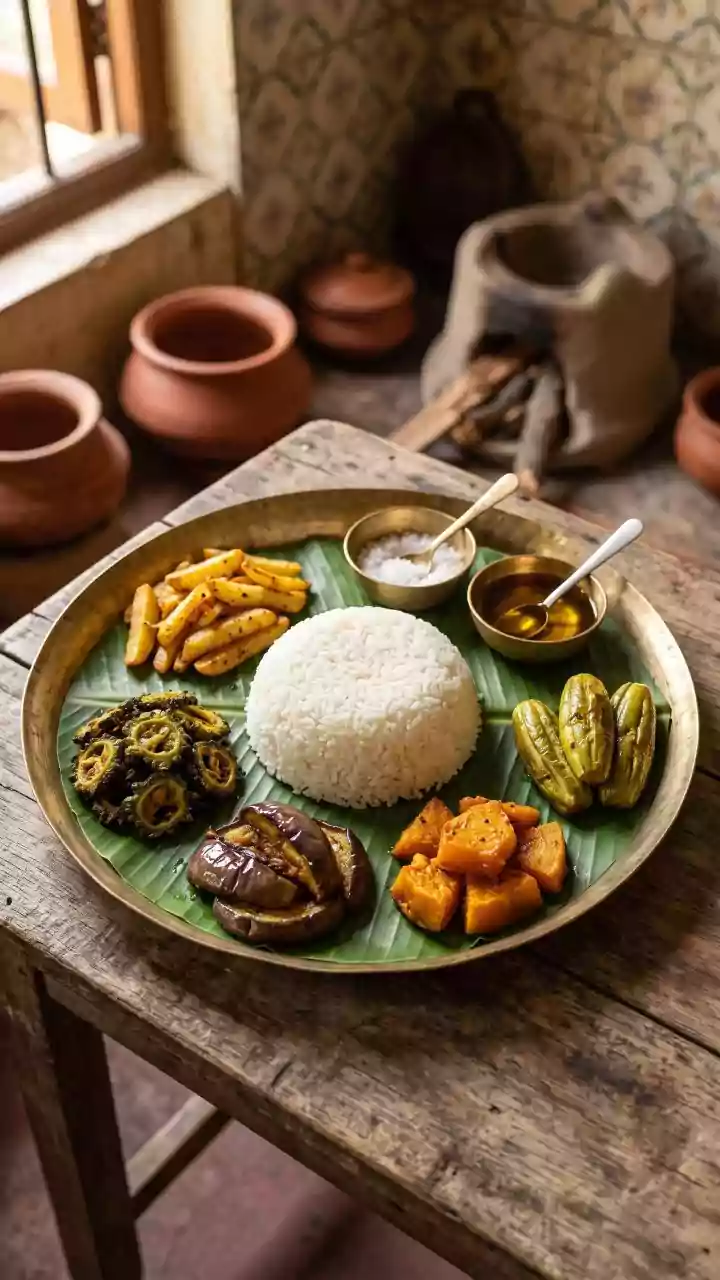
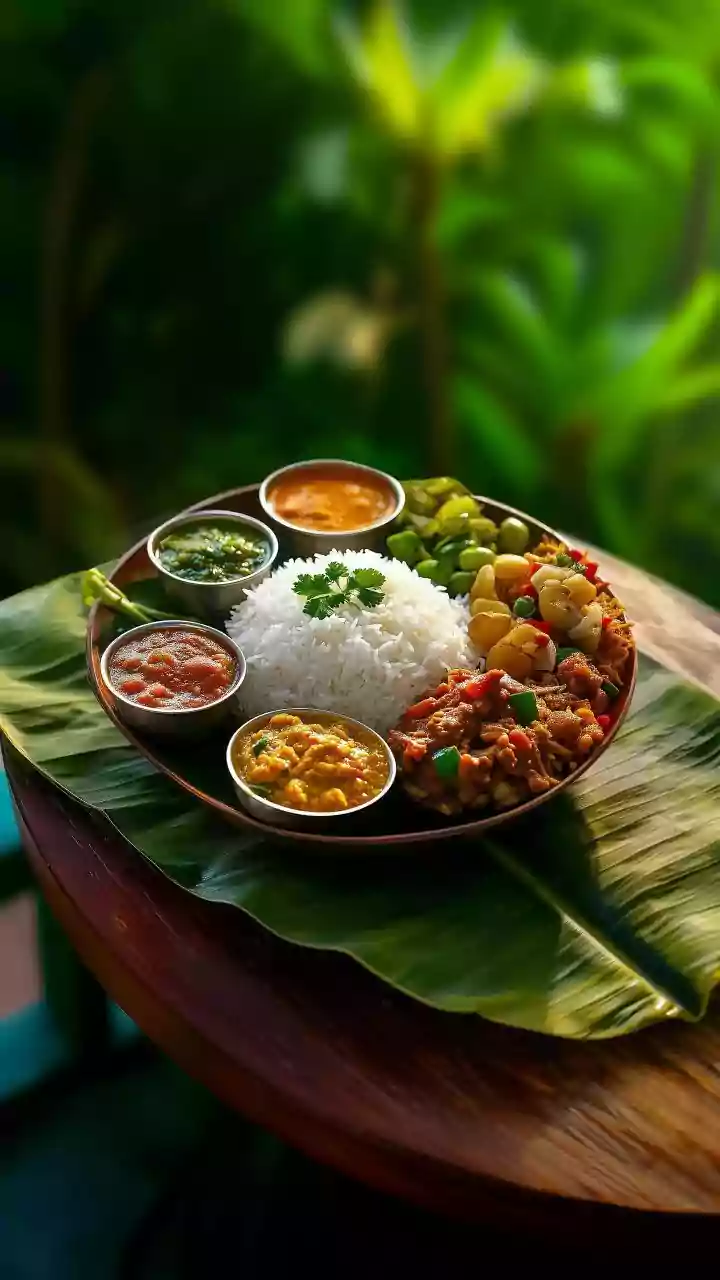
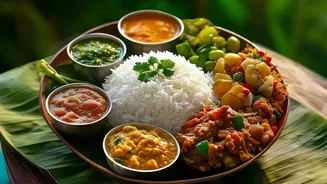
A primary reason Indian vegetarian diets can increase diabetes risk is the heavy reliance on carbohydrates, especially refined ones. A typical meal often features a large portion of white rice or multiple rotis made from refined wheat flour, with only a small serving of vegetables and dal. ICMR-INDIAB studies have found that carbohydrates make up over 62% of total calories in the average Indian diet, much of it from low-quality sources like polished rice and milled grains. These foods have a high glycemic index (GI), meaning they are digested quickly and cause a rapid spike in blood sugar levels. Frequent consumption of high-GI meals like poha, idli, dosa, and white rice can lead to insulin resistance over time, a key factor in the development of type 2 diabetes.
Hidden Fats and Unhealthy Cooking
Another area of concern is the cooking method and the fats used. Many beloved vegetarian dishes and snacks—from puris and pakoras to samosas—are deep-fried. Generous use of ghee and various vegetable oils in everyday cooking also adds a significant amount of fat to meals. This high intake of fats, particularly saturated fats, can contribute to weight gain, high cholesterol, and increased insulin resistance, further elevating the risk of metabolic diseases. While fats are a necessary part of a balanced diet, the quantity and type of fat commonly used in Indian vegetarian cooking can often undermine its health benefits.
The Sugar Trap Beyond Mithai
When we think of sugar, we often picture traditional sweets (mithai) and desserts. While these are obvious sources of sugar, the problem runs deeper. Many packaged and processed foods, including savory snacks and even some breakfast cereals, contain hidden sugars. Furthermore, sugar-sweetened beverages like tea and coffee are a daily habit in most households. One study highlighted that sugar consumption in 21 Indian states exceeds the national recommendation. This constant intake of added sugar, often unnoticed, contributes significantly to daily calorie load and puts a strain on the body's ability to regulate blood glucose effectively, paving the way for diabetes.
Building a Diabetes-Friendly Vegetarian Plate
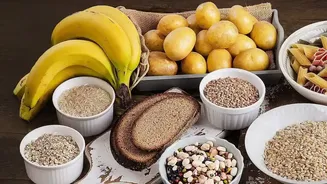
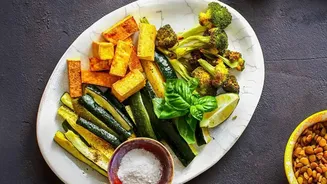
The good news is that a vegetarian diet can be incredibly healthy and protective against diabetes with a few mindful changes. The key is balance and portion control. Follow the 'plate method': fill half your plate with non-starchy vegetables like spinach, broccoli, carrots, and bottle gourd. Dedicate one-quarter of the plate to lean protein from sources like lentils (dal), chickpeas (chana), paneer, tofu, or beans. The final quarter should be for complex carbohydrates. Swap refined grains for whole grains and millets like brown rice, jowar, bajra, or oats, which have a lower glycemic index and release sugar more slowly. Combining carbohydrates with protein, fiber, and healthy fats slows digestion and prevents sharp blood sugar spikes. Opt for healthier cooking methods like steaming, grilling, or stir-frying instead of deep-frying.