




What is the Future Package?
Announced on July 27, 2026, the 'Future Package' is a comprehensive agreement between Porsche's management, its General Works Council, and the IG Metall trade union. The deal lays out a strategic path for the company through the end of 2035. It is a response
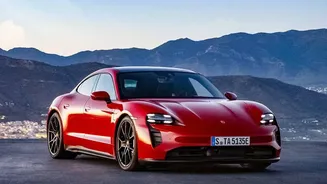
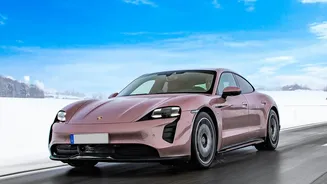
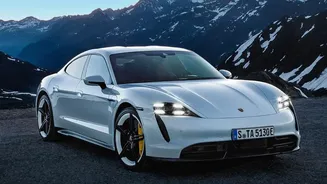
to significant market pressures, including a sharp decline in sales in China, weaker-than-expected demand for electric models like the Taycan, and the high costs associated with the EV transition. The package is a core component of Porsche's broader 'Sportwagenschmiede 35' strategy, which aims to realign the company for long-term competitiveness and profitability.
A Pact for People and Plants
A central pillar of the agreement is the commitment to the company's German workforce and production sites. Porsche has extended employment and site protections for its key Zuffenhausen and Weissach locations until 2035, ruling out compulsory redundancies during this period. This job security, however, comes as part of a significant restructuring. The plan includes a socially responsible reduction of 5,000 jobs by 2035, which will be managed through natural attrition, voluntary severance packages, and expanded partial-retirement programs. This is in addition to previously announced job cuts, bringing the total planned workforce reduction to nearly 9,000 positions. To fund future investments, employees have also agreed to concessions, including deferred pay increases and reduced Christmas bonuses.
Investing in the Future
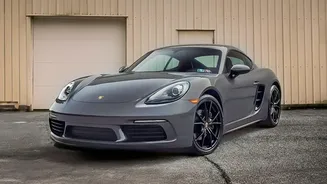
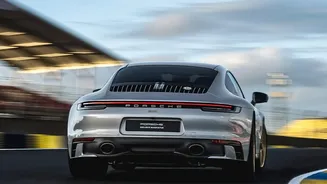
In exchange for the workforce concessions, Porsche is committing a cumulative investment of 2.1 billion euros into the Zuffenhausen and Weissach sites by 2035. This capital is earmarked to increase flexibility, boost productivity, and secure the future of manufacturing in Germany. The investments are crucial for ensuring that iconic two-door sports cars continue to be produced in Zuffenhausen while development activities for all model lines remain concentrated in Weissach. This dual approach aims to protect the heritage and core of the brand while simultaneously preparing for a new era of automotive technology and production.
The Broader Strategic Realignment
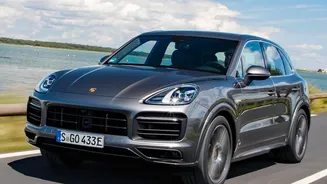
The Future Package is a clear signal that Porsche is tackling its challenges head-on. The company, once a reliable profit engine for the Volkswagen Group, has faced a rapid deterioration in profitability. In response, management is not only cutting costs but also reconsidering its product strategy. This includes plans to simplify the organization by removing management layers and reducing spending on research and development. There has also been a strategic adjustment to slow its aggressive shift to EVs, with plans to keep successful combustion engine models like the Panamera and Cayenne available into the 2030s to ensure financial stability.
A Blueprint for Legacy Automakers
Porsche's situation reflects a wider trend affecting many legacy automakers. The massive investments required for electrification are not yet paying off as expected, with consumer demand for EVs growing slower than anticipated. Porsche's detailed, long-term pact with its workforce offers a potential model for the industry: a negotiated compromise that balances painful but necessary cost-cutting with long-term investment and job security. It is a pragmatic approach that acknowledges the continued importance of profitable combustion engine models while still paving a path toward an electric future, aiming to bring its highly skilled workforce along on the journey.