





A Diplomatic Arrival in Geneva
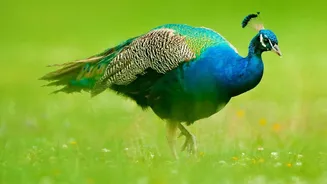
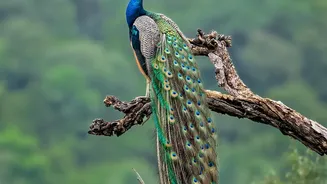
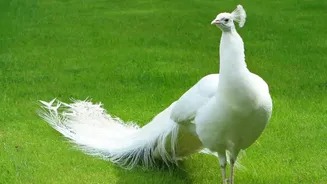
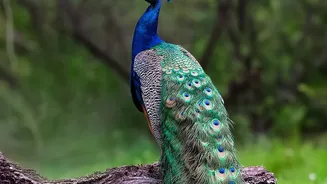
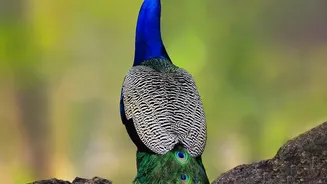
In a special ceremony, India's Permanent Representative to the UN in Geneva, Arindam Bagchi, formally presented five young peacocks to the UNOG Director-General, Tatiana Valovaya. The donation consists of four classic blue peafowl and one rare white-feathered
male, a selection that thoughtfully mirrors the blue and white colours of the United Nations itself. This gesture of soft power brings what officials called a "vibrant addition" to Ariana Park, the sprawling 46-hectare estate that houses the UN's European headquarters. The birds will spend an initial three months in a temporary enclosure to acclimate before they are permitted to roam freely, joining the park's existing population of peafowl.
Reviving a Tradition from 1981
This donation is significant because it is the first of its kind since 1981, when then-Prime Minister Indira Gandhi gifted a breeding pair of peacocks from the Delhi Zoo to the UN in Geneva. That original gesture established a living link between India and the international body. Over the years, the descendants of those birds dwindled, with some reports suggesting the population had fallen to a single bird before this new arrival. The recent gift of five more peacocks breathes new life into this tradition, reaffirming a diplomatic connection that has spanned over four decades. It’s a deliberate act of continuity, with Ambassador Bagchi noting it was a “privilege” to continue the tradition India had started.
The Peacock as National Messenger
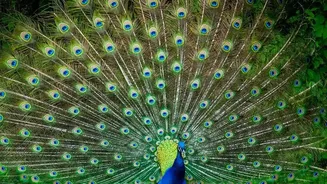
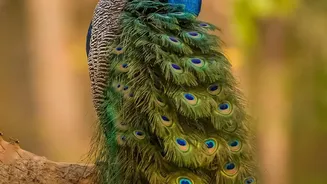
The choice of the peacock is deeply symbolic. Declared India's national bird in 1963, the peacock, or Pavo cristatus, is steeped in the nation's cultural and religious heritage. It represents grace, beauty, and resilience, and its imagery is woven into Indian art, architecture, and mythology. In a statement, the Indian mission highlighted that the peacock symbolises the country's commitment to biodiversity and environmental stewardship. By gifting its national bird, India is sending a message that goes beyond politics; it is sharing a piece of its natural heritage and cultural soul, turning a revered animal into an ambassador of goodwill on the global stage.
A Centuries-Old Home for Peacocks
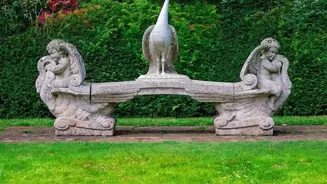
Interestingly, Ariana Park has been home to peacocks for over a century, a tradition that predates even the United Nations itself. The history dates back to 1890, when the estate's original owner, Gustave Revilliod, bequeathed the land to the city of Geneva with the specific condition that his beloved peacocks be allowed to roam freely forever. Over the decades, the park’s peacock population has been supplemented by other donations, including from a zoo in Japan in 1997. India’s contribution, therefore, doesn't just create a new tradition but enriches an existing one, weaving its own diplomatic thread into the unique history of the iconic Palais des Nations.
Soft Power in a Complex World
In an era dominated by complex geopolitical negotiations, this act of "peacock diplomacy" serves as a potent reminder of the value of soft power. It is a gesture that communicates friendship, continuity, and a commitment to multilateralism in a language everyone can understand. As officials in Geneva tackle global challenges, the presence of these birds serves as a living symbol of India's enduring partnership with the UN and its belief in international cooperation. This small but significant act reinforces the idea that diplomacy is not only conducted in meeting rooms but also through cultural connections that build lasting bridges between nations.