







An Engineering Feat Against the Odds
The Konkan Railway is far more than just a train line; it's a testament to human ingenuity. Stretching over 740 kilometres, it connects the states of Maharashtra, Goa, and Karnataka along India's western coast. Before its completion, this region, hemmed
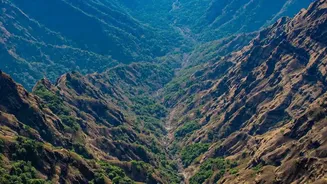
in by the Arabian Sea and the rugged Western Ghats, was notoriously difficult to traverse. Building the railway was a monumental task that involved carving through mountains and spanning countless rivers. The project required the construction of over 2,000 bridges and more than 90 tunnels, an unprecedented undertaking in such a challenging landscape. When the first train ran the full length of the track on January 26, 1998, it marked the dawn of a new era for connectivity and trade in the region.
A Theatre of Towering Viaducts
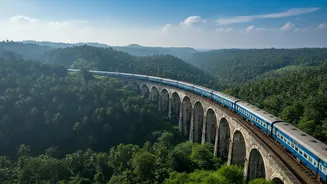
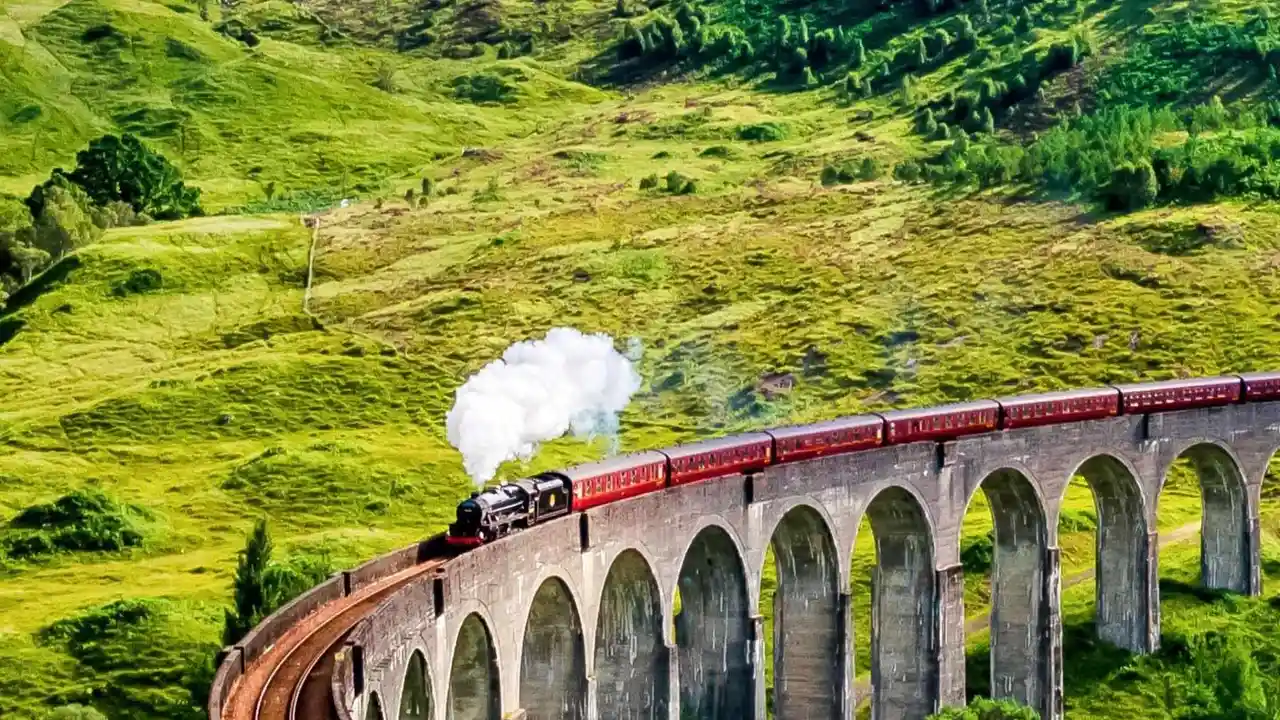
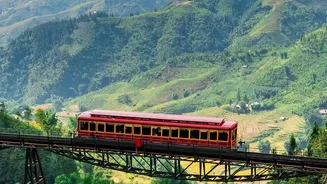
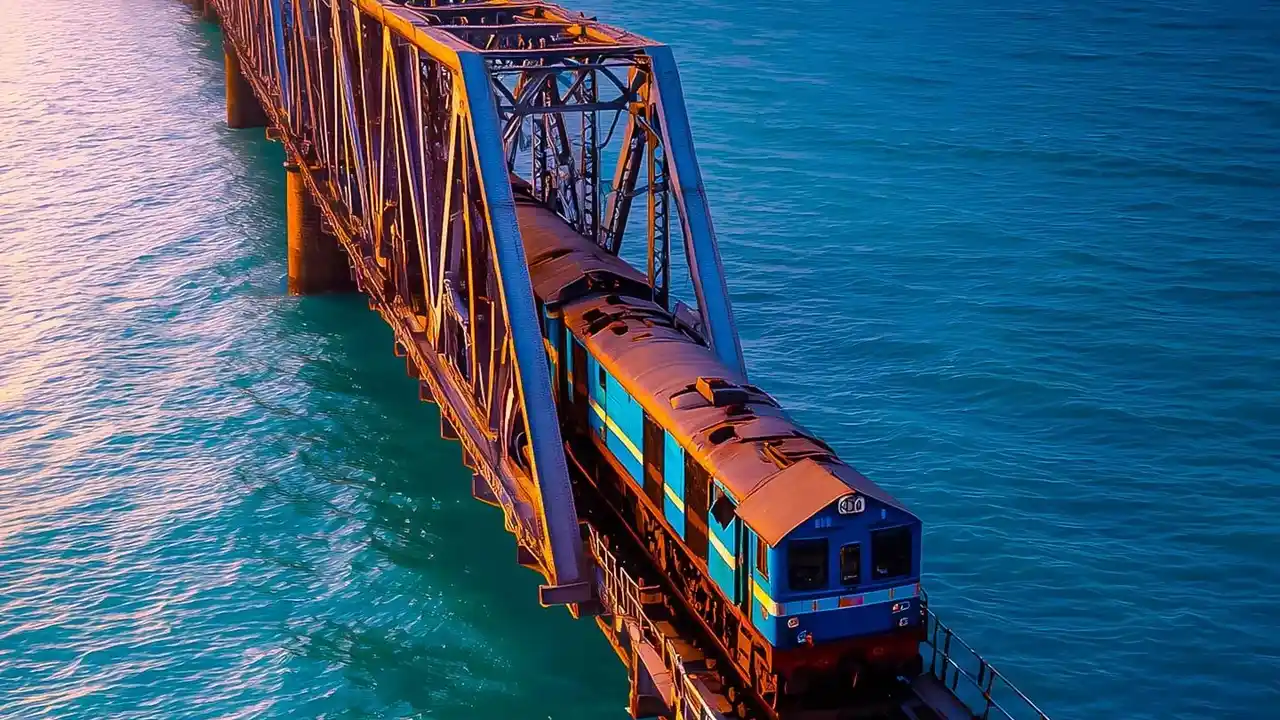
The bridges of the Konkan Railway are perhaps its most iconic feature. As the train glides over deep valleys and wide estuaries, passengers are treated to awe-inspiring views that seem to suspend them between sky and earth. The most famous of these is the Panvalnadi Viaduct near Ratnagiri. Standing at a height of 64 metres, it was one of Asia's tallest viaducts upon its completion and a pioneering example of innovative construction techniques in India. Crossing this 424-metre-long structure feels like floating over the valley below. But it is just one of more than 2,000 bridges, each one designed to conquer the specific challenges of the terrain, from wide, flood-prone rivers to deep, rocky gorges.
A Plunge into Darkness and Light
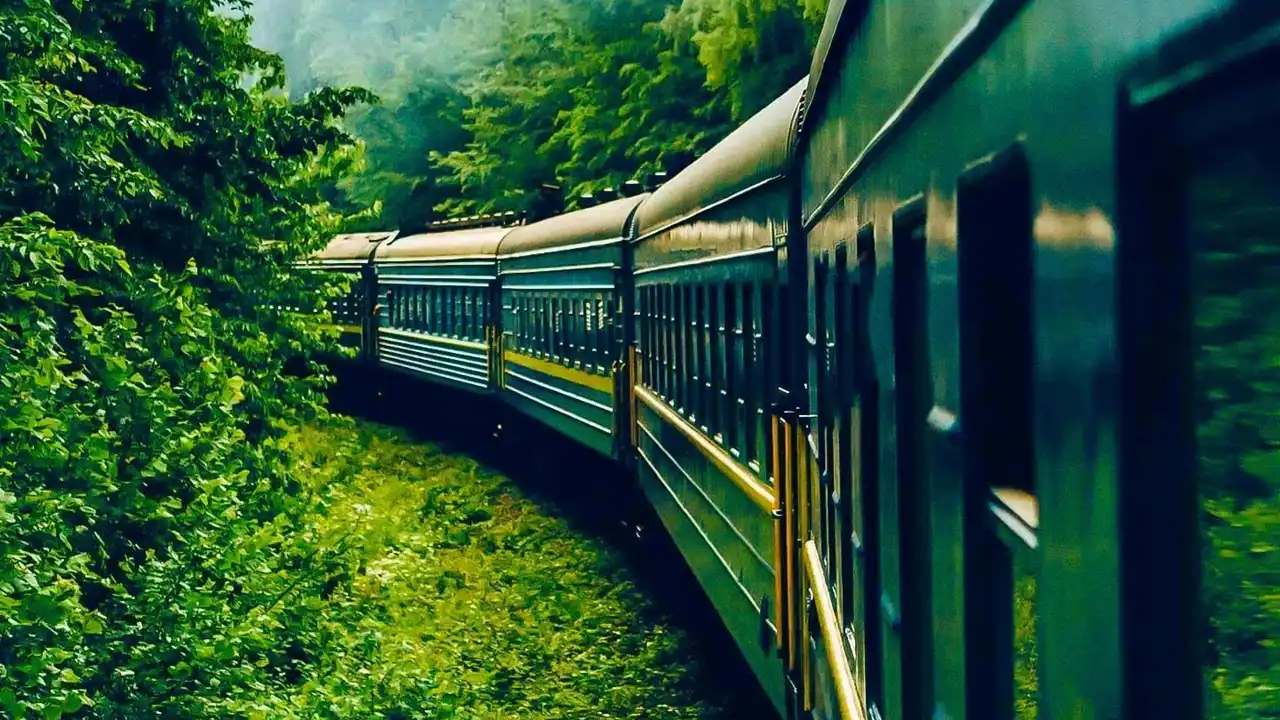
Just as striking as the bridges are the tunnels that burrow through the formidable Western Ghats. The journey is a rhythmic dance between brilliant sunshine and sudden, cool darkness. The train enters a tunnel, and for a few moments, the world outside vanishes, only to re-emerge into another stunning vista of lush greenery. There are 91 tunnels in total on the route. The longest of these is the Karbude Tunnel, which stretches for an impressive 6.5 kilometres near Ratnagiri, making it a significant engineering landmark on the line. These passages through solid rock were one of the greatest challenges of the railway's construction, representing a victory of perseverance over unforgiving geology.
A Tapestry of Coastal Landscapes
Beyond the headline engineering, the Konkan Railway journey is a continuous visual feast. The route showcases a vibrant tapestry of India's coastal beauty. Passengers witness panoramic views of the Arabian Sea, with waves crashing against cliffs and serene, palm-fringed beaches stretching into the distance. The train winds through quaint villages, offering glimpses of local life, past lush paddy fields, and dense coconut groves. The scenery is in constant flux, from the misty hills of the Ghats to the sun-drenched plains and tranquil backwaters as the line snakes its way through Maharashtra, Goa, and into Karnataka. Every moment offers a new frame, a different snapshot of the Konkan's unique charm.
The Magic of a Monsoon Journey
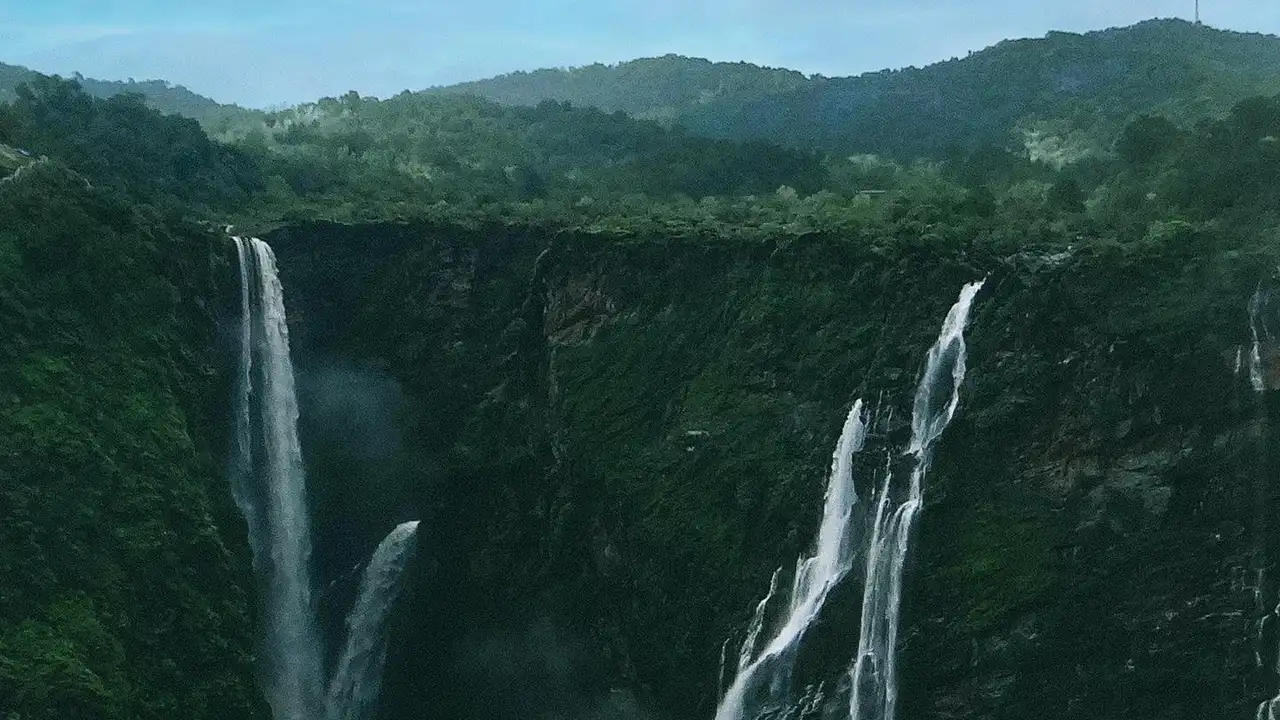
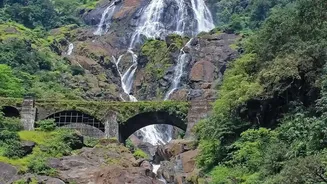
While the Konkan Railway is a spectacular journey year-round, it is during the monsoon season that it transforms into a truly magical experience. From June to September, the landscape erupts into a vibrant, near-fluorescent green. Waterfalls, some temporary and some roaring, cascade down the mountainsides, often right beside the tracks. Mist hangs low over the hills, and the rivers swell, adding a dramatic flair to the bridge crossings. The rhythmic sound of the rain against the carriage roof, combined with the otherworldly beauty outside, makes a monsoon trip on this line an unforgettable adventure. It’s a time when nature puts on its most spectacular show, and the railway provides the best seat in the house.