








What Exactly Is the Problem?
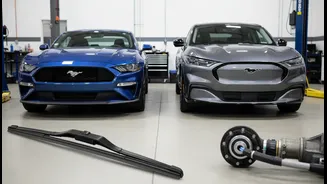
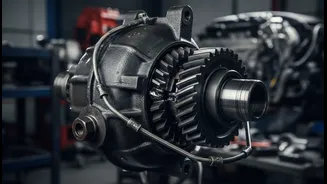
Ford is recalling 42,784 of its Mustang Mach-E electric SUVs from the 2021 to 2023 model years due to a problem with the rear drivetrain. The issue centers on the rear differential pinion shaft, a crucial component that transfers power from the electric motor
to the wheels. According to documents filed with the National Highway Traffic Safety Administration (NHTSA), this shaft can fracture because of a phenomenon called “bending fatigue.” While the specific root cause is still under investigation, the potential consequences are serious. If the shaft breaks while driving, the vehicle can lose all motive power, essentially leaving it stranded. Additionally, a fractured shaft can prevent the vehicle's transmission from properly engaging the 'Park' setting. If the driver exits the vehicle without setting the electronic parking brake, the SUV could potentially roll away, increasing the risk of a crash. Fortunately, Ford has stated that it is not aware of any accidents or injuries related to this defect.
Which Mach-E Models Are Affected?
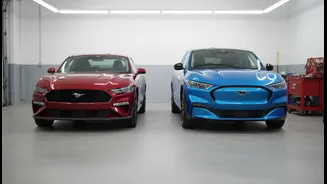
This recall specifically targets Mustang Mach-E vehicles from the 2021, 2022, and 2023 model years that are equipped with a rear-wheel-drive (RWD) drivetrain. All-wheel-drive (AWD) models are not included in this particular action. The problem part, a primary drive unit assembly supplied by BorgWarner, was used in vehicles produced between May 2020 and December 2023. Ford has noted that the affected vehicles were not built in sequential order by their Vehicle Identification Number (VIN). Therefore, ownership of a 2021-2023 RWD Mach-E doesn't automatically mean a vehicle is part of the recall, but it does mean owners should pay close attention. The best way for owners to confirm if their specific vehicle is included is by checking the NHTSA's recall website or Ford's official recall portal using their VIN.
Warning Signs for Owners to Watch For
Unlike some mechanical failures that give clear audible warnings like grinding or clunking, the primary symptom for this issue may be electronic. Ford and the NHTSA have indicated that a driver’s first warning might be a Malfunction Indicator Light appearing on the instrument panel. This warning light could be accompanied by a number of diagnostic trouble codes that a technician could read, including P174E, P0A2F, P019C, or P27B2. These codes point to issues within the drivetrain system. While some owners may experience unusual noises or vibrations leading up to a failure, the official recall documents emphasize the electronic warnings. Any driver who sees a powertrain-related warning light should have their vehicle inspected by a qualified dealer promptly to diagnose the issue, whether it is related to this recall or another concern.
What Ford Is Doing and Next Steps for Owners
Ford officially filed the recall with the NHTSA on July 6, 2026, after an internal investigation that began in March 2026 when the problem was first identified on a vehicle in Europe. The company has already notified its dealerships about the issue. The next step is to inform owners directly. Ford plans to mail interim notification letters to affected owners starting around July 13, 2026. This initial letter will explain the safety risk. A second letter will follow once the final repair is ready, which is currently expected in late December 2026. The remedy will involve taking the affected vehicle to a Ford or Lincoln dealer for an inspection of the rear differential assembly. Based on the inspection, technicians will either repair the unit or replace it entirely with a new assembly that includes a more robust pinion shaft, all free of charge to the customer.