






A Shared, Fragile Foundation
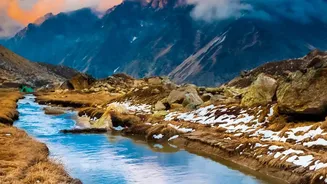
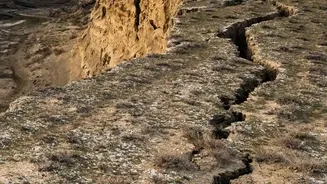
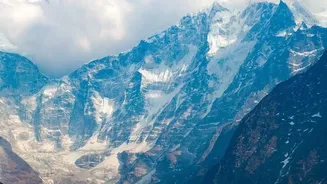
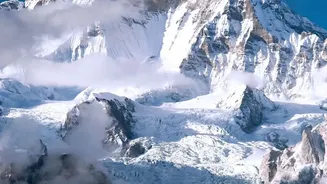
The majestic Himalayas, stretching across states like Himachal Pradesh, Uttarakhand, Sikkim, and Arunachal Pradesh, are geologically young and active. This makes them inherently fragile, with steep, unstable slopes prone to landslides. The entire region
is also located in a high-seismic zone, adding another layer of natural vulnerability. For centuries, communities have adapted to this environment, but two powerful forces are now dramatically increasing the frequency and intensity of disasters: a rapidly warming climate and unchecked human development. These factors are turning natural hazards into recurring catastrophes that threaten lives and livelihoods across the mountain belt.
The Climate Change Accelerator
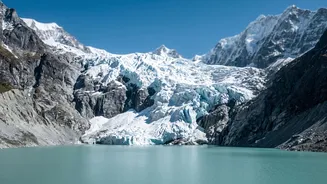
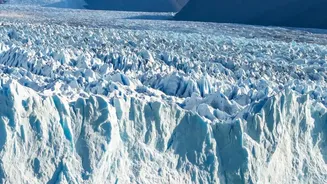
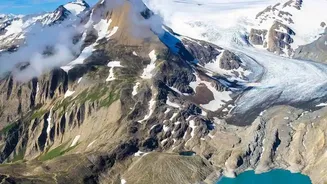
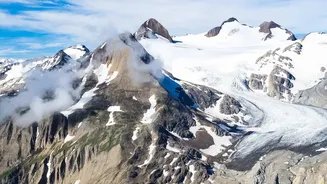
The Himalayas are warming at a rate significantly faster than the global average. This has profound consequences. Accelerated glacier melt is creating and expanding thousands of glacial lakes. Many of these are held back only by unstable natural dams of loose rock and sediment, known as moraines. When these dams are breached—by an avalanche, an earthquake, or simply the pressure of the rising water—they can trigger a Glacial Lake Outburst Flood (GLOF). These events unleash a torrent of water, ice, and debris that can devastate downstream areas in minutes. The 2023 flood from South Lhonak Lake in Sikkim and the 2013 Kedarnath tragedy linked to Chorabari Lake are stark examples of this deadly phenomenon. Furthermore, warming temperatures are thawing permafrost, the frozen soil that acts like a natural glue holding mountain slopes together, increasing the risk of massive rock and ice avalanches.
The Human Factor: A Risk Multiplier
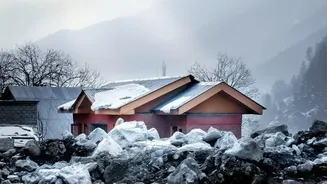
While climate change sets the stage, human activity often pulls the trigger. Unregulated construction, indiscriminate slope-cutting for roads and highways, and the proliferation of hydropower projects in fragile zones are severely destabilising the landscape. Experts refer to these activities as “human-induced amplifiers” of disaster risk. When hill slopes are cut unscientifically, their structural integrity is compromised, making them highly susceptible to collapse during heavy rains. The unscientific dumping of excavated material, or muck, can block natural drainage channels and contribute to the destructive power of flash floods. This relentless development, often prioritising revenue over ecological stability, has been flagged by the Supreme Court as a direct contributor to the rising disaster risk in states like Himachal Pradesh.
Warnings Written in Water and Ice
The pattern of disasters across the Himalayan states reveals a clear and alarming connection. The 2021 Chamoli disaster in Uttarakhand was triggered by a massive rock and ice avalanche that transformed into a deadly debris flow, wiping out two hydropower projects and killing over 200 people. In 2023, the GLOF in Sikkim not only caused widespread destruction but also damaged the massive Teesta-III hydropower dam, raising riverbeds downstream and increasing future flood risk. These events are not unrelated tragedies but part of a larger Himalayan puzzle. They demonstrate the lethal combination of a warming climate, geological fragility, and high-impact infrastructure projects placed in harm's way. Each event serves as a warning that the risk profile of the entire Indian Himalayan Region is changing.
The Path Forward: From Reaction to Resilience
Addressing this crisis requires moving from a reactive to a proactive stance. This involves a multi-pronged strategy that acknowledges the shared risks across states. Strengthening early warning systems for GLOFs and flash floods is critical. India's National Disaster Management Authority (NDMA) has guidelines and a risk mitigation program, but consistent enforcement is key. This includes stricter regulation of construction and land use based on scientific hazard mapping. Instead of isolated engineering solutions, experts advocate for an ecosystem-based approach that conserves forests, wetlands, and natural drainage systems to act as buffers. Ultimately, safeguarding mountain communities and downstream populations requires treating the Himalayas as a single, interconnected ecosystem where development choices in one area have consequences for many.