








What Exactly Are ‘Added Sugars’?
The term ‘added sugars’ refers to any sugar or caloric sweetener that is added to foods or beverages during processing or preparation. This definition includes everything from the white sugar in your dessert to the honey you stir into your tea. The key
distinction is that these sugars are not naturally occurring in the whole food itself. For instance, the sugar naturally present in a whole apple (fructose) or in milk (lactose) is not considered 'added sugar'. This is because when you eat a whole food, the sugar comes packaged with fibre, water, vitamins, and minerals, which slows down its absorption and provides other health benefits. Added sugars, however, are concentrated sources of sweetness without this beneficial packaging.
The 'Healthy' Sweeteners in Question
Many sweeteners perceived as healthier alternatives to refined white sugar fall under the 'added sugar' umbrella. This includes popular choices in Indian households like jaggery (gur), honey, and maple syrup. While it's true these are less processed than table sugar, they are still considered added sugars by health bodies like the American Heart Association and the U.S. Food and Drug Administration. Jaggery, for example, is unrefined cane sugar that retains molasses, giving it a higher mineral content, particularly iron. Honey contains trace vitamins, minerals, and unique antioxidant compounds from bees. Maple syrup also offers minerals like manganese and zinc. Despite these benefits, they are added to foods to make them sweeter, which is the defining characteristic of an added sugar.
Nutrients vs. Sugar: A Matter of Scale
So, do the nutrients in these sweeteners make them a guilt-free choice? Not exactly. The core issue is that while they do contain some micronutrients, they are overwhelmingly composed of sugar—primarily glucose and fructose, just like table sugar. A tablespoon of honey, for instance, contains about 64 calories and 17 grams of sugar. A similar amount of jaggery has around 19 grams of sugar. The amount of minerals or antioxidants you get from a typical serving is quite small. To get a significant nutritional boost, you would have to consume a very large quantity of these sweeteners, which would also mean consuming an unhealthy amount of sugar and calories. From a metabolic standpoint, your body processes the sugar from honey or jaggery in much the same way it processes sucrose from a sugar packet.
Why This Distinction Matters for Your Health
Focusing on whether a sugar is 'natural' or 'refined' misses the bigger picture. Health guidelines recommend limiting added sugars of all kinds because excessive consumption is linked to numerous health issues, including weight gain, an increased risk of type 2 diabetes, and heart disease. These risks are tied to the total amount of added sugar consumed, not necessarily its source. When you consume any of these sweeteners, your body breaks them down into simple sugars, causing a rise in blood glucose. While the fibre in whole fruits can buffer this effect, concentrated sweeteners—even 'natural' ones—can lead to sharper spikes in blood sugar. Therefore, thinking of jaggery or honey as 'free foods' can lead to overconsumption.
How to Be a Smarter Consumer
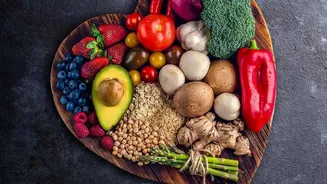
The goal is not to eliminate all sweeteners but to be mindful of them. When reading food labels in India, look at the ingredients list. Ingredients are listed by weight, so if sugar or one of its many aliases (like sucrose, corn syrup, maltose, or fruit juice concentrate) is in the first few ingredients, the product is high in sugar. The FSSAI is also moving towards clearer front-of-pack labelling, but for now, the back of the pack is your best source of truth. Treat honey, jaggery, and maple syrup as what they are: sweeteners. Use them in moderation for the flavour and minor nutritional bonus they provide over white sugar, but don't consider them health foods. The bulk of your diet should consist of whole foods with no added sweeteners at all.