







Mind Your Light
The golden rule of stargazing is to preserve night vision — for yourself and others. It can take 20-30 minutes for human eyes to fully adapt to the dark, and a single flash of white light can ruin it instantly. This is why seasoned observers are strict
about light etiquette. Use a headlamp or torch with a red-light mode, as red light is less disruptive to your eyes' dark adaptation. If you don't have one, taping red cellophane over a regular torch works. Dim your phone screen completely or use an app with a 'night mode' that turns the interface red. Avoid using your car's headlights or interior dome lights once you've arrived at your viewing spot. Arriving before sunset allows you to set up your gear in daylight, minimizing the need for any light at all once darkness falls.
Keep Noise to a Minimum
Part of the magic of being under the stars is the profound sense of peace and quiet. Respect this for fellow stargazers who are there for reflection and wonder. Loud conversations, music, or boisterous behaviour can shatter the tranquil atmosphere. Beyond human courtesy, keeping noise down is critical for local wildlife. Many animals are nocturnal, and unusual sounds can disrupt their natural behaviours like hunting, mating, and navigating their territory. Think of it as being a guest in their home. The sounds of nature — the wind, a distant owl — are the only soundtrack you need.
Follow Leave No Trace Principles
The 'Leave No Trace' philosophy is just as important at night as it is during the day. The core idea is to leave your stargazing spot exactly as you found it. This starts with proper waste disposal: pack out everything you bring in, including food scraps and wrappers. Stick to durable surfaces like established trails, rock, or gravel to avoid damaging fragile vegetation, which can be hard to see in the dark. Resist the temptation to take a 'souvenir' like a rock or plant. By leaving what you find, you preserve the natural state of the site for the next person and for the ecosystem itself.
Respect Wildlife and Their Habitat
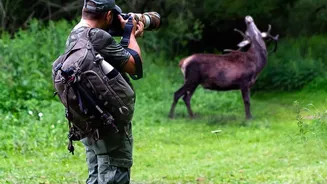
When you're stargazing, you are visiting a natural habitat. Artificial light and noise can have significant negative effects on wildlife, interfering with everything from migration to finding food. Observe any animals from a distance and never approach or feed them. Feeding wild animals can make them dependent on humans and alter their natural behaviours. Stay on marked paths and within designated viewing areas to avoid accidentally trampling sensitive ecosystems or wandering into an animal's territory. Your goal is to be a silent, invisible observer of the sky, not an intruder in the landscape.
Be Considerate of the Local Community
The rise of astrotourism can bring economic benefits to rural areas, but it also carries the risk of overtourism. Be a responsible visitor by respecting the people who live in these dark-sky havens. Do not trespass on private property to find a dark spot. Use public lands or designated viewing areas. When possible, support the local economy by visiting a local restaurant or shop. Remember that you are a guest. Drive slowly, park considerately, and keep your impact minimal. Many dark sky communities have worked hard to achieve their status by adopting responsible lighting practices, so honour their efforts by being a respectful visitor.
Plan Ahead and Prepare
A successful and responsible stargazing trip begins at home. Check the weather forecast for your specific location, not just the nearest city. Look at the moon phase; the best nights for seeing faint objects are around the new moon when the sky is darkest. Familiarise yourself with any local rules or regulations for the area you plan to visit. Dressing in warm layers, even on a summer night, will keep you comfortable. Bringing a flask of a warm drink and some snacks means you won't need to leave prematurely. The more prepared you are, the less likely you are to find yourself in a situation where you might disturb the environment or other people.