





The Obvious Cost: Your Wallet
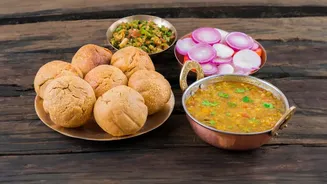
The most straightforward price you pay is financial. While a single ready-to-eat meal might seem affordable, the costs accumulate rapidly. A home-cooked vegetarian thali can cost between ₹30 to ₹31, while a non-vegetarian one might be around ₹60. In contrast,
ordering a similar meal from a delivery app often costs between ₹210 to ₹300 after accounting for a host of extra charges. These aren't just delivery fees; they include platform fees, packaging costs, GST, and even surge pricing during peak hours or bad weather. Over a month, relying on these services daily can cost anywhere from ₹12,600 to ₹18,000, a stark contrast to the ₹4,000-₹6,000 for groceries and utilities for home cooking or a tiffin service. The convenience fee is not a small surcharge; it can more than triple your monthly food expenditure.
The Health Toll: A Debt of Sodium and Additives
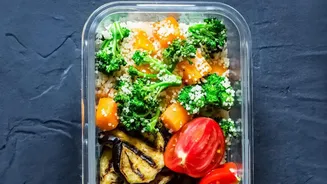
Beyond the monetary expense, there's a significant health cost. Ready-to-eat meals are engineered for a long shelf life and consistent flavour, which often means they are high in sodium, preservatives, and unhealthy fats. Convenience foods are a major source of sodium, with some meals containing 700-1200mg per serving — nearly half of the recommended daily limit. One analysis of Indian packaged foods found that nearly 96% of convenience meals contained artificial additives and 90% were high in sodium. These additives, while approved by regulators, can have debated long-term health impacts, and their cumulative effect from a diet high in processed foods is a growing concern. Studies have linked diets high in ultra-processed foods to an increased risk of obesity, diabetes, and heart disease. In contrast, home cooking allows for complete control over ingredients, leading to meals richer in essential nutrients and lower in sodium and unhealthy fats.
The Environmental Price Tag: A Mountain of Packaging
Every convenient meal comes with a side of waste, primarily single-use plastics. Food delivery platforms in India are estimated to generate around 1.2 million tonnes of plastic waste annually. This includes containers, film, and cutlery, much of which is difficult to recycle. When hot food is packed in plastic, there's also a risk of harmful chemicals like BPAs and phthalates leaching into your food, which are linked to long-term health issues. While some argue that meal kits can reduce food waste at home and have a lower carbon footprint than grocery store meals due to streamlined supply chains, this doesn't negate the packaging problem. The sheer volume of non-biodegradable boxes, plastic liners, and gel packs from a single meal contributes to landfills, where they can take hundreds of years to decompose, releasing greenhouse gases and contaminating soil and water.
The Hidden Skill Drain: Losing Touch with Food
There's a less tangible but equally important cost: the erosion of our cooking skills and connection to food. Cooking is more than just a chore; it’s a form of self-care and a fundamental life skill. Relying exclusively on pre-made meals creates a dependency and a disconnect from the process of nourishment. It replaces the satisfaction of creating a meal with the shallow, instant gratification of a click. People who cook at home more than five times a week tend to consume fewer calories and have healthier diets overall. The process of choosing fresh ingredients, understanding how flavours work together, and preparing a meal from scratch is a rewarding experience that ready-to-eat options, by their very nature, eliminate. This convenience, while saving time in the short term, can lead to a long-term deficit in culinary confidence and knowledge.