


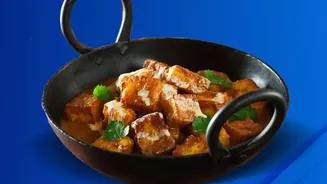

The Heavy Truth About Cast Iron
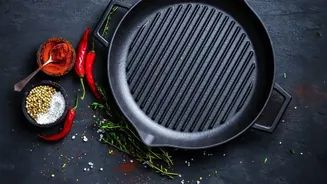
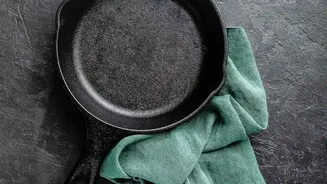
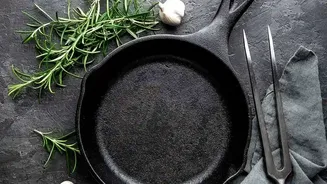
The single biggest barrier for many people when it comes to cast iron is its weight. A typical 12-inch cast iron skillet can weigh around 3.5 to 4 kilograms, and that's before you even add food. For comparison, a stainless steel pan of the same size often
weighs half that, at around 2 kg. This isn't just a minor inconvenience. For cooks with limited wrist strength, arthritis, or mobility challenges, lifting a hot, heavy pan can be difficult and even unsafe. Simple actions like tossing vegetables, pouring out a sauce, or moving the pan from the stovetop to the oven become a two-handed, strenuous job. Even washing it in the sink can feel like a workout.
More Than Just Weight
The heft is the main issue, but other practicalities can also make cast iron less than ideal for some. The handles are typically short, stubby, and also made of iron, meaning they get just as hot as the pan itself. This requires the constant use of an oven mitt or handle cover to avoid burns. They also demand more patience. Cast iron is slow to heat up, though it holds that heat exceptionally well once hot. This high heat retention is great for searing a steak, but it makes the pan less responsive if you need to quickly lower the temperature to prevent burning. This can present a steep learning curve for those used to more nimble cookware.
The Burden of Maintenance
Then there’s the famous cast iron maintenance routine. To develop its signature non-stick surface, the pan must be “seasoned”—a process of baking thin layers of oil onto the metal. While modern pans often come pre-seasoned, the surface still requires care. You have to be careful with acidic foods like tomatoes, which can strip the seasoning. After cooking, the pan must be washed by hand (never in the dishwasher), dried immediately and thoroughly to prevent rust, and often finished with a light coating of oil. For a busy home cook, this multi-step cleaning process can feel like a chore compared to the simple scrub or dishwasher cycle for other types of pans.
Lighter Alternatives That Still Perform
If the weight and maintenance of cast iron sound like too much trouble, you don't have to sacrifice performance. Carbon steel pans are a fantastic alternative and a favorite in professional kitchens. Made from a similar iron-carbon alloy, they are significantly lighter than cast iron but offer many of the same benefits, including high-heat searing and the ability to build up a natural non-stick seasoning over time. Because they are thinner, carbon steel pans heat up and cool down much faster, giving the cook more temperature control. For those who want to avoid seasoning altogether, high-quality, multi-clad stainless steel pans are excellent all-rounders, while enameled cast iron offers the heat retention without the need for seasoning, though it is often just as heavy.