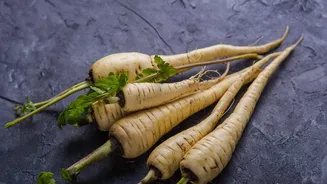







1. Parsnips
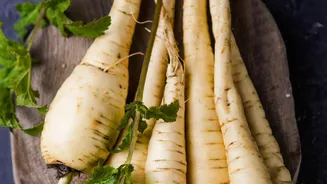
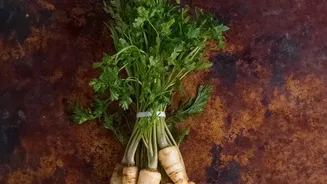
Often mistaken for a pale carrot, the parsnip is its sweeter, nuttier cousin. Underrated because of its less vibrant colour, this root is a powerhouse of flavour, especially after the first frost, when its starches turn into sugar. Rich in vitamin C,
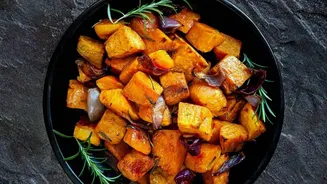
potassium, and fibre, parsnips are more than just a white carrot. How to use them: Roasting is where parsnips truly shine. Chop them into batons, toss with a little oil, salt, and pepper, and roast at a high temperature until they are caramelised and tender. They also make a fantastic addition to soups and stews, lending a creamy texture and sweet, earthy depth. For a simple side dish, try mashing them with potatoes or creating a silky parsnip purée.
2. Celeriac (Celery Root)
Don't be put off by its gnarled, knobby appearance. Celeriac, or celery root, is a true hidden gem. It’s often overlooked due to its intimidating exterior, but beneath that skin lies a crisp, creamy-white flesh with the subtle, refreshing taste of celery and parsley. It's a low-carb alternative to potatoes and is packed with vitamins K and C. How to use it: Celeriac is incredibly versatile. You can shred it raw into salads for a refreshing crunch. It can be boiled and mashed into a creamy, low-calorie purée, or cubed and roasted alongside other root vegetables. It's also a classic base for creamy soups, where its delicate, nutty flavour can be fully appreciated. A sharp knife or sturdy vegetable peeler is all you need to get past its rough exterior.
3. Kohlrabi (Ganth Gobhi)
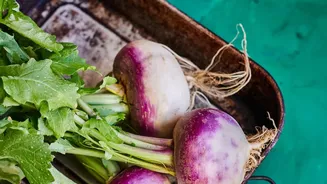
Known in India as Ganth Gobhi or Knol Khol, this unique vegetable looks like a green or purple alien spaceship. Kohlrabi is underrated perhaps because people aren't sure what it is—a root, a stem, or something else. It's technically a swollen stem that grows above ground, but its culinary use is similar to a root vegetable. It has the crisp texture of a radish and a mild, slightly sweet flavour reminiscent of broccoli stems. How to use it: Kohlrabi can be eaten both raw and cooked. Sliced thinly, it’s a crisp and juicy addition to salads. In Indian kitchens, it's often used to make flavourful curries and sabzis, cooked with spices like turmeric, cumin, and garam masala until tender. You can also chop it into cubes and roast it, or add it to vegetable stir-fries for a delicious crunch.
4. Rutabaga
A cross between a cabbage and a turnip, the rutabaga is larger, sweeter, and more golden-fleshed than its turnip parent. Often ignored in favour of more common roots, this humble vegetable offers a slightly sweet, peppery flavour that mellows beautifully with cooking. It is a good source of Vitamin C and minerals like potassium and magnesium. How to use it: Rutabagas are a fantastic substitute for potatoes in many dishes, with fewer carbs. They are wonderful when roasted, taking on a deep, savoury sweetness. Mashed rutabaga is a classic dish, often mixed with butter and herbs. You can also dice it and add it to hearty soups, stews, and casseroles, where it adds bulk and a subtle earthy flavour. Don't forget to peel away the tough, waxy skin before cooking.
5. Salsify
Perhaps the most obscure vegetable on this list, salsify is a long, thin root that looks a bit like a brown carrot or parsnip. It's often called the "oyster plant" because some find its cooked flavour reminiscent of oysters, while others describe it as having a mild artichoke or asparagus taste. Its rarity in mainstream shops is the main reason it's so underrated. How to use it: To prepare salsify, you need to peel its skin; be sure to place the peeled root in acidulated water (water with a squeeze of lemon juice) to prevent it from browning. It can be boiled or steamed until tender, then sautéed in butter. It also makes for a delicious, creamy soup or can be roasted like other root vegetables. For something different, try making salsify fries or chips.