




A New Frontier for Indian Ecotourism
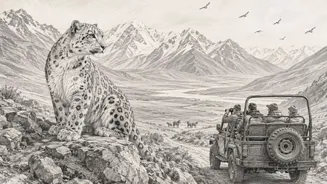
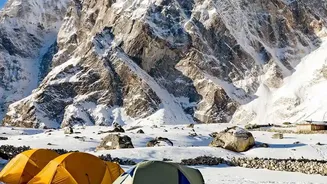
In early August 2026, the administration of Ladakh approved the introduction of a guided wildlife safari across the region's famed snow leopard and bird-watching trails. This initiative marks the creation of India's first high-altitude wildlife safari,
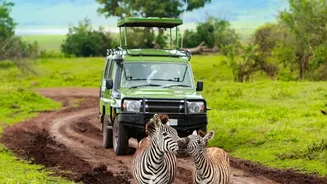
aiming to provide visitors with a structured and responsible way to witness the area's unique flora and fauna. The project is designed to mirror the successful safari models of national parks like Kaziranga and Ranthambore, but adapted for the fragile and challenging high-altitude environment. It will utilize specially designed open-back vehicles operated by trained local drivers and guides, with the primary goals of preventing illegal off-roading, minimizing disturbances to wildlife, and enhancing the overall visitor experience in a sustainable manner.
Ghost of the Mountains in Focus
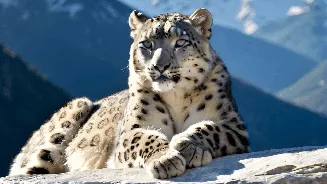
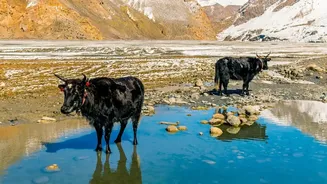
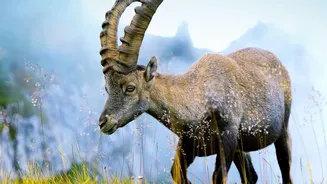
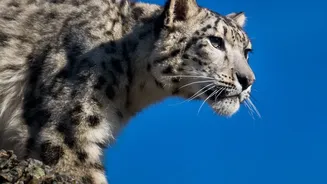
The star attraction of this alpine project is undoubtedly the elusive snow leopard. Ladakh is a critical habitat for this magnificent cat, hosting the largest population in the country. Recent assessments estimate that 477 of India's 718 snow leopards reside in Ladakh, making its protection a national priority. Known as the "ghost of the mountains" for its secretive nature, spotting a snow leopard is an incredibly rare event. The safari project aims to increase the chances of responsible sightings by navigating through known habitats in areas like Hemis National Park, Changthang Wildlife Sanctuary, and the Karakoram Wildlife Sanctuary. Beyond the snow leopard, the region is a biodiversity hotspot, supporting over 38 mammal species, including the Tibetan wolf and Himalayan brown bear, and more than 340 species of birds.
Conservation Through Community Partnership
A key pillar of this initiative is its focus on community-led conservation. The project will be managed under the newly formed Snow Leopard and High-Altitude Nature (SHAN) Conservation Society. A core part of its mission is to ensure that local communities become equal partners and primary economic beneficiaries of this new wave of ecotourism. The plan includes selecting and training 20 local youths as expert bird-watching guides, providing them with professional equipment and skills. This approach not only creates sustainable livelihoods but also transforms local residents into dedicated guardians of their natural heritage. By involving the community, the project aims to foster a powerful, ground-up movement for wildlife protection and responsible tourism.
Balancing Tourism and Protection
While the safari promises a significant boost to tourism, its foundational principle is conservation. Unregulated tourism can lead to habitat destruction and stress on wildlife populations. This guided safari model is a direct response to those risks, aiming to channel tourist activity into controlled and monitored routes. By establishing official safari paths in areas like Nubra, Zanskar, and Drass, authorities hope to curb the damaging practice of off-roading that disturbs the fragile ecosystem. Furthermore, ten bird-watching hides will be created at key hotspots to allow for observation without disturbing the fauna. The SHAN Society is also tasked with developing a broader roadmap for waste management and promoting plastic-free tourism, ensuring that the project's impact is overwhelmingly positive for Ladakh's pristine environment.