

The Snacking Revolution
For decades, Indian diets have been predominantly built around three core meals, with snacking often involving carb-heavy options like biscuits or namkeen. However, modern urban life has disrupted this rhythm. Long commutes, demanding work hours, and a general
shift towards more dynamic daily routines have created new eating moments throughout the day. This has fuelled a boom in the healthy snacks market, which is projected to grow significantly in the coming years. Consumers are now seeking food that is not only convenient and portable but also functional and nutritious, turning to quick commerce platforms to satisfy these needs instantly. This behavioural shift is paving the way for protein to move from a niche nutrient for gym-goers to a mainstream dietary staple for everyone.
Why Protein, Why Now?
The focus on protein isn't accidental. There is a rising awareness among Indian consumers about the country's widespread protein deficiency, often linked to cereal-heavy diets. Recent studies and reports highlight this gap, encouraging people to be more intentional about their intake. A 2026 report found that a staggering 86% of Indians now consider protein an important factor when choosing a snack. This interest is driven by protein's well-documented benefits, including its ability to promote satiety, which helps in managing weight by keeping you feeling full for longer. It's also crucial for muscle repair, energy levels, and overall wellness, appealing to a broad demographic that includes busy professionals, students, and health-conscious families.
The New Protein Moments
So, when are people reaching for these protein-rich options? The answer is: all the time. Convenience has unlocked several new consumption occasions. The mid-morning slump, once addressed with tea and biscuits, is now a prime time for a protein bar or a handful of roasted chana. The post-workout window, previously dominated by cumbersome shakes, is now filled with ready-to-drink beverages and Greek yogurts. Other key moments include the pre-dinner hunger pang, where a small protein snack can prevent overeating at mealtime, and even as a healthier late-night treat. This 'anytime' consumption is supported by the sheer variety of products available, from traditional roasted snacks to modern formats like protein cookies and chips.
The Rise of Convenient Choices
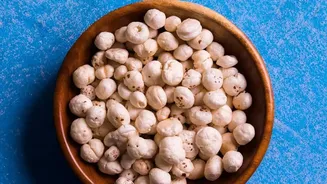
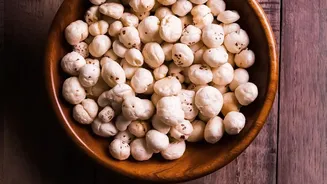
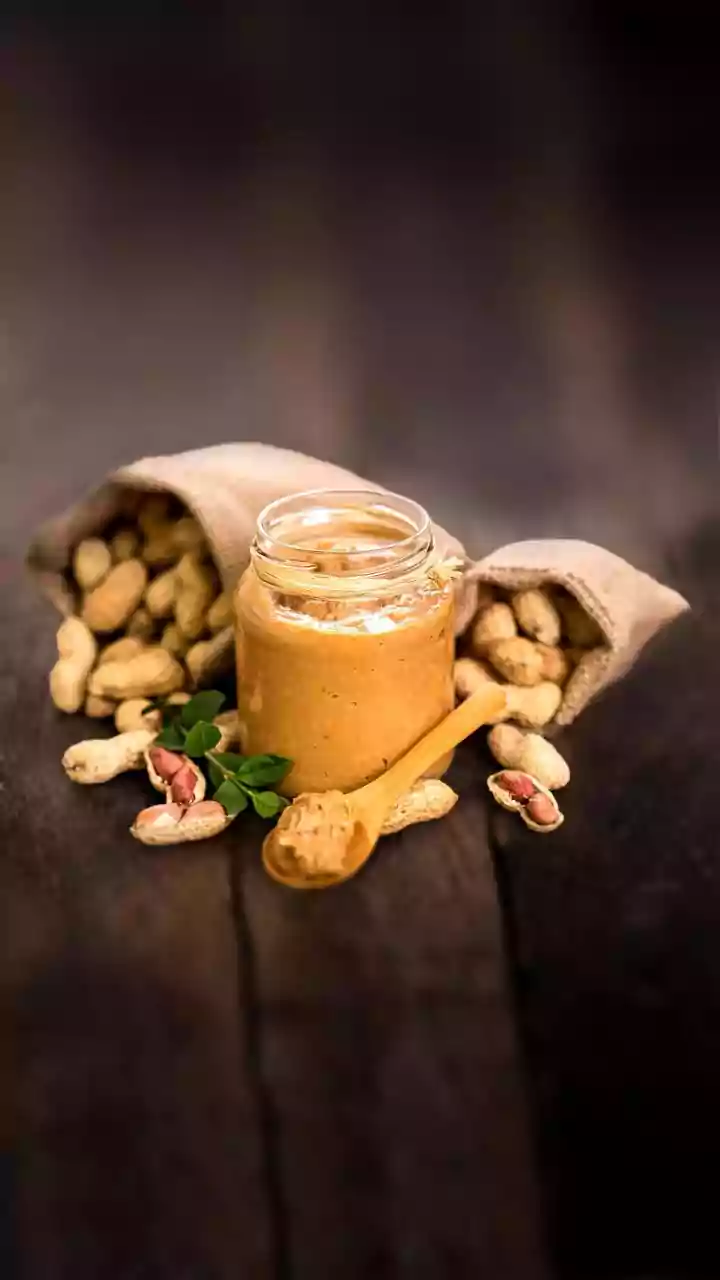
This trend is powered by an explosion of innovative and convenient products. While traditional options like roasted chana (chickpeas), makhana (fox nuts), paneer cubes, and peanuts remain popular and affordable choices, the market has expanded dramatically. Today, supermarket shelves and online stores are filled with protein bars, high-protein yogurts, ready-to-drink shakes, and soya-based snacks. Newer entrants include protein-fortified cookies, chips, and even versatile protein powders designed to be mixed into everyday foods like atta or coffee without altering the taste. This variety ensures that whether a consumer wants a savoury crunch or a sweet bite, there is a high-protein option available that fits seamlessly into their lifestyle.
A Balanced View on Snacking Smart
While the availability of high-protein snacks is a positive step towards better nutrition, not all options are created equal. As the market grows, it's important for consumers to become savvy label-readers. Many products marketed as 'high-protein' can also be high in sugar, unhealthy fats, or artificial ingredients. A recent report highlighted a growing consumer preference for snacks with natural sweeteners like dates or jaggery and cleaner ingredient lists. The most effective approach is a balanced one. Combining convenient packaged snacks with whole food options like boiled eggs, sprouts, or a simple bowl of dahi offers a practical way to boost protein intake without compromising on overall nutritional quality. The goal is to make informed choices rather than simply following a trend.