





A Household Staple Meets a Viral Threat
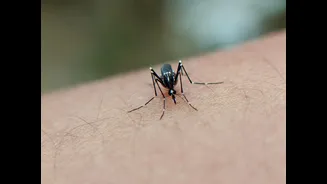
Dengue fever, a viral infection transmitted by Aedes mosquitoes, is a significant public health concern across India. The illness often causes a sharp drop in platelet count, a condition known as thrombocytopenia, which in severe cases can lead to bleeding
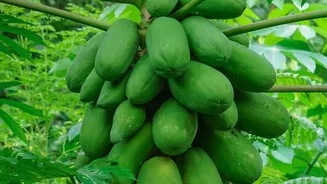
and other life-threatening complications. In response, many families almost instinctively turn to papaya leaf extract. The bitter green juice, often prepared at home or sold in tablet form, has become a cornerstone of folk medicine for dengue management. The belief is so deeply ingrained that its use is often the first piece of advice shared among friends and family. This widespread trust is built on years of anecdotal success stories, but the crucial question remains: what does the scientific community have to say about it?
The Science: A Mixed but Hopeful Picture
The scientific evidence for papaya leaf extract's effectiveness is not as clear-cut as its popularity suggests. Several clinical studies and meta-analyses have explored its impact on dengue patients. Some research indicates a positive correlation, suggesting that patients given Carica papaya leaf extract (CPLE) showed a faster increase in platelet counts compared to those who received only standard supportive care. One systematic review noted that the extract was associated with a significant increase in platelets after the fourth day of treatment and could potentially reduce the duration of hospital stays. The active compounds in papaya leaves, such as flavonoids and alkaloids, are believed to have properties that could protect blood cells and boost immune responses. However, many of these studies have been criticized for their small sample sizes and methodological limitations. As a result, major health bodies like the World Health Organization do not include papaya leaf extract in their official dengue treatment guidelines.
The Risks of Relying on a Remedy
While the extract itself isn't considered highly toxic in short-term use, the biggest danger lies in what doctors call 'behavioural risk'. Patients who place their faith solely in this home remedy might delay seeking proper medical evaluation. Dengue management isn't just about the platelet count; doctors monitor for warning signs like severe abdominal pain, persistent vomiting, and fluid accumulation, which can signal a progression to severe dengue even if platelets seem stable. Delaying a hospital visit to try a home remedy can mean these critical signs are missed. Furthermore, self-medicating with the wrong painkillers, such as ibuprofen or aspirin, can increase bleeding risk in dengue patients and should be avoided. The focus on platelets alone can create a false sense of security, distracting from the comprehensive care that dengue requires.
Potential Side Effects and Lack of Regulation
The homemade juice or commercially available extracts come with their own set of concerns. The extreme bitterness of the juice can induce nausea and vomiting, potentially worsening dehydration, which is a key concern in dengue management. Moreover, since these preparations are largely unregulated, the concentration of active compounds can vary wildly from one batch to another, making consistent and safe dosing nearly impossible. Some reported side effects include gastrointestinal discomfort and, in rare cases, allergic reactions or changes in liver enzymes with heavy use. It's also important to consider potential interactions with other medications, especially blood thinners.
The Verdict: A Supportive Measure, Not a Cure
So, where does that leave us? The consensus among most medical professionals is that papaya leaf extract should not be considered a primary treatment or cure for dengue. It does not have antiviral properties and cannot replace the cornerstones of dengue care: adequate hydration, rest, and careful monitoring for warning signs under a doctor's supervision. Some doctors may not object to its use as a supplementary measure, provided it doesn't cause side effects like vomiting or lead to the patient neglecting conventional medical advice. The available evidence, though limited, suggests a potential benefit in supporting platelet recovery. However, this potential benefit is not strong enough to warrant its use as a standalone therapy. Ultimately, early diagnosis and professional medical care are what truly save lives.