



Follow the 80/20 Rule
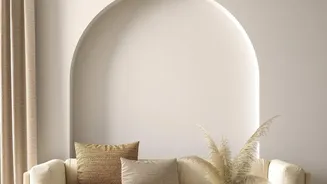
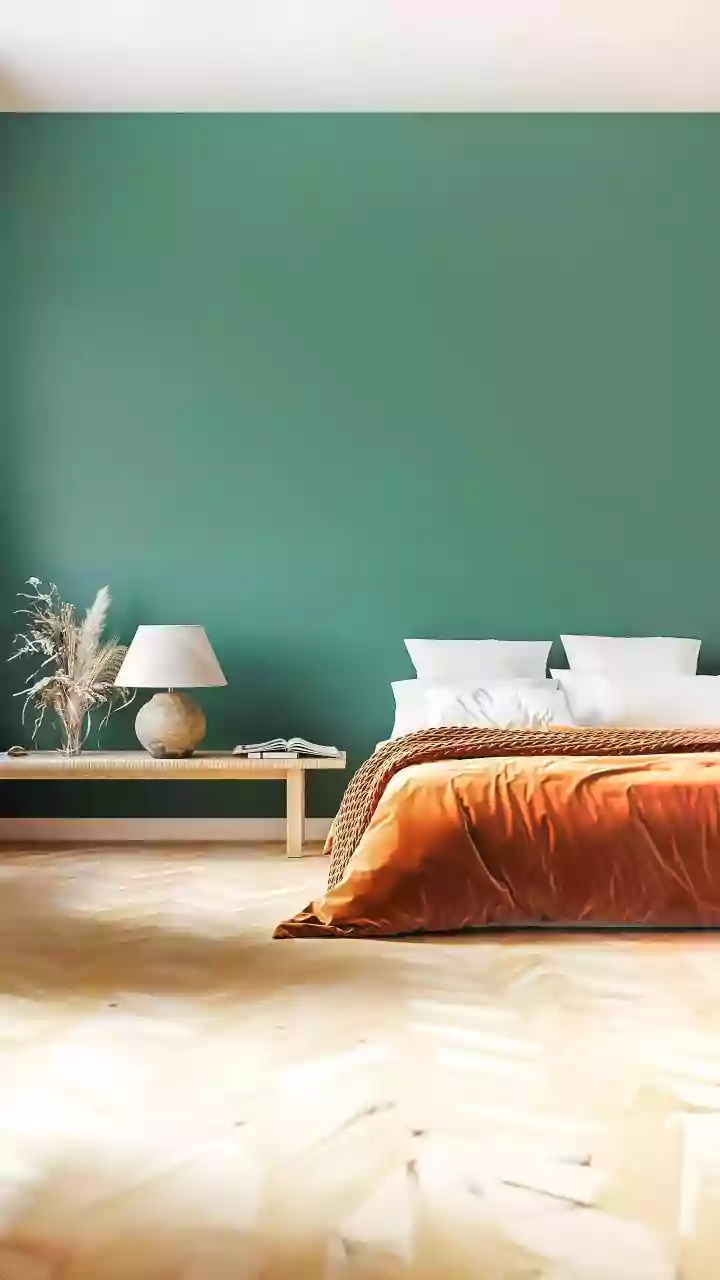
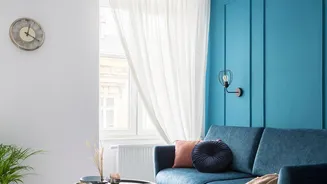
The key to a balanced room is letting one style dominate. A great guideline is the 80/20 rule: let 80% of your decor be modern and 20% vintage. In practice, this means your foundational pieces—like your sofa, wall colour, and main flooring—should be contemporary
and relatively neutral. This modern base acts as a clean canvas, allowing your vintage patterns and details to truly shine as character-filled accents rather than overwhelming the space. A 50/50 split often feels confusing, as if the room can't decide on its identity. By establishing a modern foundation, your vintage choices feel deliberate and curated.
Start with One Statement Piece
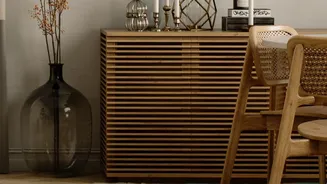
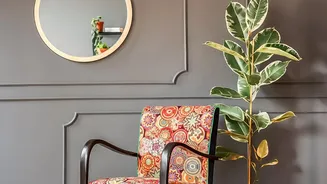
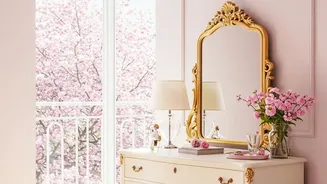
Instead of scattering many small vintage items, anchor your room with a single, significant vintage piece. This could be a dramatic armchair reupholstered in a bold heritage print, a large ornate mirror, or a beautifully patterned antique rug. Building the room's design around this focal point helps create a cohesive look. This one 'star' piece sets the tone and provides a clear story. Surround it with quieter, modern furnishings to give it the space to breathe and prevent visual competition. For instance, a beautifully detailed vintage cabinet can be balanced with a simple, clean-lined sofa and contemporary art.
Use Patterns in Small Doses
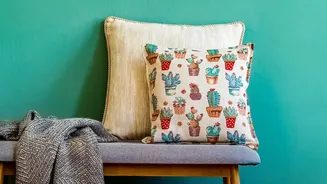
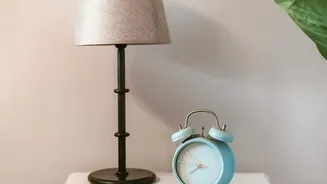
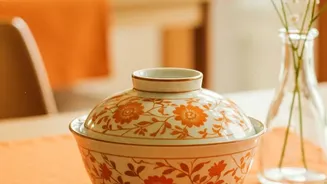
If a statement furniture piece feels like too much commitment, introduce vintage patterns through smaller, more accessible accessories. This is an easy entry point to experiment with the look. Think about throw pillows made from vintage textiles, a classic lampshade on a modern base, or framed pieces of heritage wallpaper or fabric. Cushions are an excellent way to use treasured remnants of fabric, and you can back them with a solid neutral colour to keep the look grounded. These small touches add softness and personality without the risk of making the room feel busy or dated.
Unify with a Cohesive Colour Palette
Colour is a powerful tool for bridging different eras. To ensure your mix of modern and vintage feels harmonious, stick to a consistent and limited colour palette. Pull two or three key colours from your main vintage pattern—whether it's from a rug, a piece of art, or curtains—and repeat them in modern elements throughout the room. This repetition creates a visual thread that ties everything together, allowing the eye to move smoothly through the space. A neutral backdrop of white, grey, or beige is often the safest bet, as it allows the patterns and colours of your vintage finds to pop without competing.
Mix Textures for Added Depth
Beyond patterns, a thoughtful mix of textures is crucial for creating a layered, soulful room. Contrast is your friend here. Pair the rich patina of an old wooden chest with a sleek, modern glass vase, or place a plush velvet vintage-style pillow on a crisp linen sofa. Mixing materials like aged brass, rough-hewn wood, and natural stone with smooth, contemporary finishes adds warmth and character. This tactile variety prevents a room from feeling flat and makes the space more engaging, telling a richer story than colour or pattern can alone.
Give Your Pieces Breathing Room
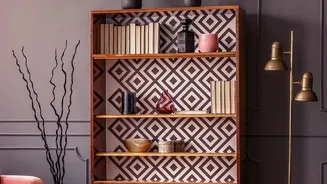
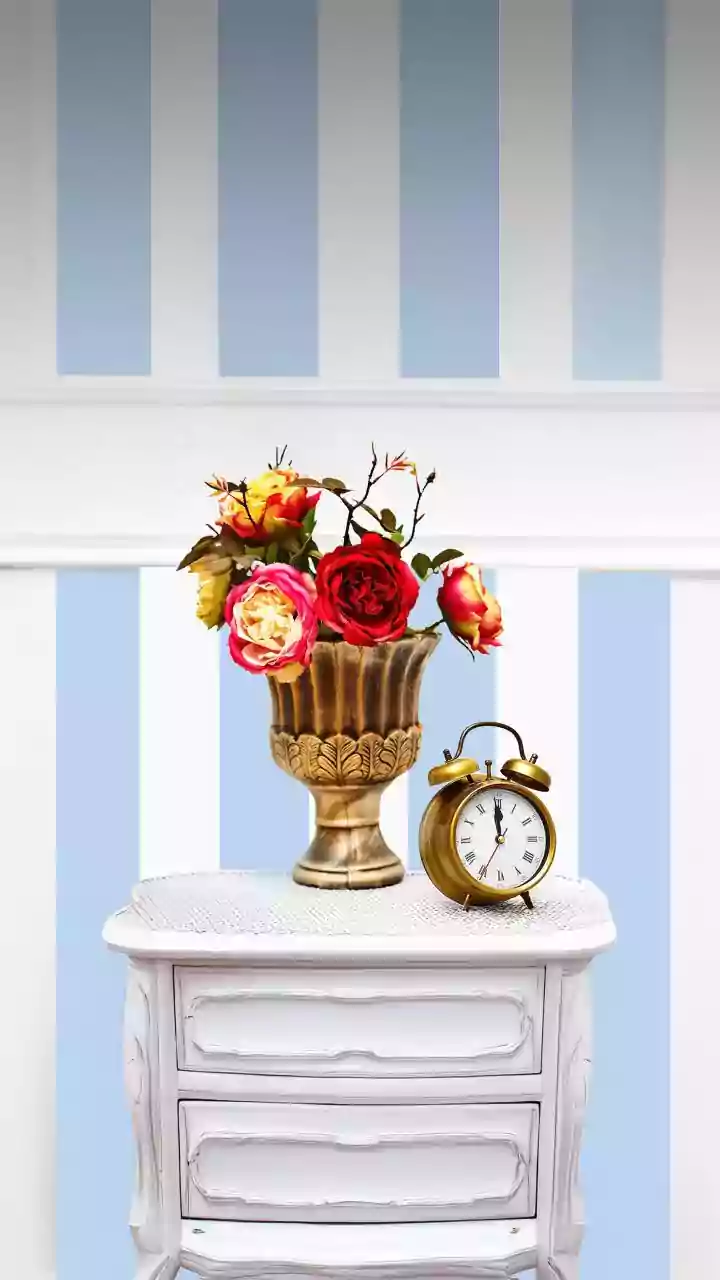
One of the quickest ways for a vintage-inspired room to feel cluttered is by displaying too much at once. The secret to avoiding a museum-like feel is negative space. Don't cover every surface or wall. Instead of scattering many small objects, group a few related items together as a curated collection on a shelf or table. This gives each piece importance and allows the eye to rest. If a space starts to feel too busy, the best solution is often to edit and remove items, not to add more. Rotate your favourite finds seasonally to keep the look fresh without accumulating clutter.