






Decoding the Miami Study
Scientists at the University of Miami's Rosenstiel School of Marine, Atmospheric, and Earth Science have put a number on a once-distant possibility. Their projections indicate a 35% to 40% probability that a single month, likely in early 2027, will see
the global average temperature surpass the 2°C warming mark for the first time in recorded history. The researchers attribute this heightened risk to a powerful El Niño weather pattern developing on top of the steady, human-caused rise in global temperatures. El Niño is a natural climate phenomenon characterized by warmer-than-average sea surface temperatures in the central and eastern Pacific Ocean, which can significantly boost global temperatures and disrupt weather patterns worldwide. When this natural cycle coincides with the already elevated baseline of global warming, it creates the potential for record-breaking temperature spikes.
One Month vs. The Paris Goal
It is crucial to understand what this potential milestone does—and does not—mean. The Paris Agreement, the landmark international treaty on climate change, aims to keep the long-term average global temperature increase “well below 2°C” above pre-industrial levels, while pursuing efforts to limit it to 1.5°C. This target refers to a sustained warming trend over decades, not a temporary spike in a single month or even a year. A month exceeding the 2°C threshold would not signify a failure to meet the Paris Agreement's long-term goal. However, climate experts view it as a profound warning shot. It demonstrates that the climate system is approaching critical tipping points much faster than anticipated. These temporary breaches are becoming more likely; the World Meteorological Organization has already noted that global temperatures temporarily exceeded the 1.5°C level in 2024 and that it is 'very likely' to happen again in at least one year between 2026 and 2030.
Why 2 Degrees Matters
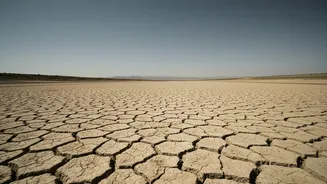
The 2°C benchmark wasn't chosen arbitrarily. For decades, scientists have identified it as the point beyond which the risks of catastrophic and irreversible climate impacts increase dramatically. While even 1.5°C of warming brings significant challenges, a world that is consistently 2°C warmer would experience far more severe consequences. These include more frequent and intense heatwaves, prolonged droughts, and extreme rainfall events leading to widespread flooding. Ecosystems that are vital to planetary health would face collapse; scientists warn that 2°C of warming would likely kill over 99% of the world's coral reefs. Sea levels are projected to rise significantly, threatening coastal communities and economies across the globe. For billions of people, particularly in tropical and subtropical regions, it would mean greater food and water insecurity as agricultural yields decline.
A Glimpse into a Warmer Future
Experiencing a 2°C month would offer a tangible, and alarming, preview of the 'new normal' in a world that fails to curb emissions. While the global average would return below that level after the temporary influence of El Niño fades, the event would serve as a real-world stress test. It would highlight vulnerabilities in our infrastructure, food systems, and public health responses to extreme heat. It acts as an undeniable signal that the buffer zone between our current climate and a dangerously altered one is shrinking. The findings from the University of Miami underscore the urgency of the moment. According to the UN Environment Programme, current global climate policies are insufficient to meet the Paris goals, instead putting the world on a trajectory for a temperature increase between 2.1°C and 2.9°C by 2100. Events like a temporary 2°C spike are the early, jolting symptoms of this long-term trend.