





The Morning Ritual: A Banana First Thing
For countless people, a banana is the first thing they eat. It's portable, requires no preparation, and offers a quick energy boost to shake off sleepiness. Packed with essential nutrients like potassium, magnesium, fibre, and vitamins, it seems like an ideal
way to start the day. Proponents argue that its fibre content aids digestion and promotes gut health, helping to get your system moving smoothly in the morning. The natural sugars are seen as a clean fuel source, perfect for a pre-workout snack or to simply kickstart your metabolism after a long night of fasting.
The Concern: The Sugar Spike and Acidity
Despite its benefits, eating a banana completely alone on an empty stomach can be a double-edged sword. Bananas, particularly ripe ones, are rich in natural sugars. When consumed without any other food, these sugars are absorbed quickly, which can lead to a rapid spike in blood sugar levels. This initial energy rush is often followed by a crash a few hours later, leaving you feeling tired and sluggish. Additionally, bananas are acidic in nature. For some individuals, especially those prone to acid reflux or digestive sensitivity, eating a banana on an empty stomach can cause discomfort, bloating, or increase stomach acidity.
A Look at the Ayurvedic Perspective
Ayurveda, the traditional Indian system of medicine, offers another layer to this discussion. From an Ayurvedic viewpoint, bananas are considered heavy and have a cooling effect. Eating them on an empty stomach, especially in the morning when digestive fire (agni) may be weaker, can potentially lead to sluggishness or discomfort for some body types (doshas), particularly Kapha. Furthermore, Ayurveda generally advises against combining bananas with milk or yoghurt, a common practice for many. This combination is considered a 'viruddha ahara' (incompatible food pairing) that can create toxins (ama) and disrupt digestion.
The Nutritional Powerhouse: Don't Dismiss the Banana
While eating it alone first thing might not be perfect, it's crucial not to villainise the banana. It remains a fantastic source of vital nutrients. A single medium-sized banana provides a significant portion of your daily potassium, which is essential for heart health and maintaining blood pressure. It's also rich in vitamin B6, vitamin C, and magnesium. The fibre in bananas, including resistant starch in less ripe ones, is excellent for promoting gut health by feeding beneficial gut bacteria and supporting regular bowel movements. These benefits are undeniable; the key lies in how you consume the fruit to maximize them.
The Smart Solution: Pair It for Balance
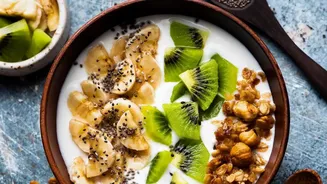
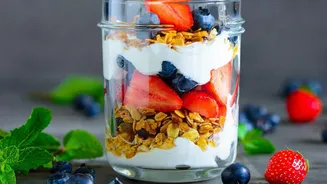
The expert consensus is clear: you don't have to give up your morning banana, you just need to eat it smarter. The best way to counteract the potential blood sugar spike is to pair your banana with protein and healthy fats. This simple trick slows down the digestion and absorption of the fruit's natural sugars, leading to more stable and sustained energy. Instead of eating it alone, try slicing a banana over a bowl of oatmeal or daliya. Blend it into a smoothie with Greek yoghurt or a scoop of protein powder. You could also simply have it with a handful of nuts like almonds or walnuts, or spread a spoonful of peanut butter on the slices. This creates a more balanced, complete breakfast that keeps you full and focused without the subsequent crash.