





The Myth of the Grand Gesture
Many parents feel a constant pressure to orchestrate perfect family experiences. We see curated images of extravagant holidays and meticulously planned weekend outings, leading to a belief that family bonding requires significant time, money, and energy.
This can create a cycle of stress and guilt when our reality doesn't match the ideal. The truth, however, is that while big events are wonderful, they are not the primary drivers of family connection. Experts suggest that routines and rituals provide a sense of stability and predictability that children, and even adults, thrive on. Consistent, positive interactions build a foundation of security that a single big event cannot replicate. The real magic lies in turning away from the pressure of the grand gesture and embracing the power of small, everyday connections.
The Unmatched Power of a Shared Meal
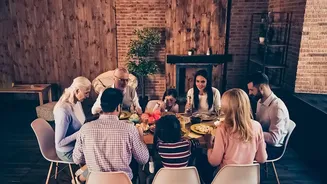
It may seem almost too simple, but the act of regularly eating together as a family is one of the most effective ways to foster connection. Studies have consistently shown that shared meals are linked to numerous benefits for both children and parents. For children and adolescents, it correlates with higher self-esteem, better academic performance, and lower rates of stress and anxiety. It provides a predictable opportunity to talk, share stories about the day, and simply be present with one another away from the distractions of screens and schedules. This dedicated time allows parents to check in on their children's lives, offer support, and strengthen emotional bonds in a low-pressure environment. Even a few meals together a week can make a significant difference, reinforcing that the family unit is a source of comfort and stability.
Creating Your Own Small Traditions
Beyond the dinner table, small, recurring traditions help build a unique family identity. These rituals don't have to be complicated or expensive; their power comes from their consistency and shared meaning. Think of a 'Sunday morning pancake' rule, a weekly family game night, or a special bedtime handshake. These small events become anchors in the week, giving everyone something to look forward to and creating a portfolio of shared memories. The key is to start small and choose activities that genuinely fit your family's interests and values. Involving children in choosing or creating these traditions gives them a sense of ownership and makes the experience more meaningful for everyone. Over time, these simple rituals become the threads that weave a family's story together, creating a powerful sense of belonging.
The Importance of One-on-One Time
While group gatherings are essential for creating a sense of a family unit, dedicated one-on-one time with each child is just as critical. This individual attention communicates to a child that they are seen, valued, and loved for who they are as an individual, not just as part of the family group. It creates a safe space for more open and honest conversations, as a child may share thoughts and fears they wouldn't in a group setting. This time doesn't need to be elaborate; it can be a 15-minute walk, a trip to the store, or simply reading a book together before bed. The goal is undivided attention, where you are fully present and engaged. This practice strengthens the parent-child bond, boosts confidence, and can even reduce sibling rivalry as children feel less need to compete for attention.
Bringing It Into the Conversation
Introducing new routines and traditions should feel natural, not forced. The best way to start is by having an open conversation. Talk as a family about wanting to spend more connected time together and brainstorm ideas. When communicating, practicing active listening is crucial; ensure each person feels heard and respected. Don't try to implement five new traditions at once. Start with one simple, manageable idea and build from there. Consistency is more important than perfection. If you decide on a weekly game night, protect that time on the calendar. The goal is to create positive, recurring moments that strengthen relationships through shared experience. It's about turning daily routines into meaningful rituals that reinforce the message: we are a team, and we value our time together.