






Understanding Limited Availability
Before you set your heart on an elephant safari, it's crucial to understand why they are not always guaranteed. The availability of these safaris is carefully controlled for several important reasons. First and foremost are animal welfare and conservation.
The number of rides per day is limited to ensure the elephants are not overworked and the park's fragile ecosystem is not disturbed. High tourist demand, especially during the peak season from November to April, far outstrips the number of available seats. Government regulations and quotas set by the Assam Forest Department further restrict the number of daily visitors to maintain the park's integrity. These factors combine to make advance booking not just a recommendation, but a near necessity.
Kaziranga National Park: The Rhino Heartland
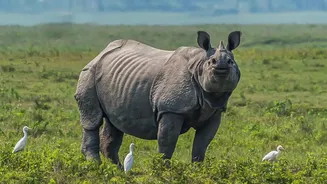
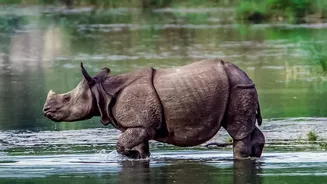
Home to two-thirds of the world's great one-horned rhinoceroses, Kaziranga National Park is the most famous destination for an elephant safari. These safaris are incredibly popular and operate only in the early morning hours, typically in two slots around 5:30 AM and 6:30 AM. The experience allows you to get remarkably close to rhinos as they graze in the tall elephant grass, an opportunity often missed on a jeep safari. Safaris are primarily available in the Central (Kohora) and Western (Bagori) ranges of the park. It's important to note that the park is closed for the monsoon season, generally from May or June until October, with elephant safaris officially resuming for the 2026-27 season on November 1, 2026.
Manas National Park: A Scenic Alternative
For a different but equally breathtaking experience, consider Manas National Park, a UNESCO World Heritage Site nestled at the foothills of the Himalayas. Manas offers a tranquil journey through diverse landscapes of grasslands and lush forests. Like in Kaziranga, elephant safaris here run for about an hour in the early morning, usually with slots at 6:00 AM and 7:00 AM. This ride takes you into dense jungle areas that are often inaccessible by jeep, offering a quieter, more immersive wildlife viewing experience. The park is home to rhinos, tigers, and the rare golden langur. Booking in advance is highly recommended, especially during peak tourist times, as availability can be scarce. The park also closes for safaris during the monsoon, typically from June to September.
Pobitora: The Rhino Hotspot Near Guwahati
Often called 'Mini Kaziranga', Pobitora Wildlife Sanctuary boasts one of the highest densities of one-horned rhinoceroses in the world. Its smaller size and proximity to Guwahati make it a popular option for travellers with less time. Elephant safaris here offer an excellent and almost guaranteed chance of spotting rhinos up close in their natural wetland habitat. The safaris are a one-hour affair, conducted in morning slots around 6:30 AM and 7:30 AM. Because the elephants move quietly, they don't disturb the wildlife, allowing for intimate viewing opportunities. Despite its accessibility, the rule of limited availability still applies, so pre-booking is essential to avoid disappointment.
Your Essential Booking Strategy
Securing your spot on an elephant safari requires a proactive approach. The best strategy is to book well in advance, ideally several weeks or even months ahead if you plan to travel during the peak season (November to April). You can book through the official Assam government portal or use a reputable, authorised travel operator who can handle the entire process, which is often easier. When booking, you will need to provide valid photo identification for all travellers. Be prepared with your preferred dates but maintain some flexibility if possible. If you are unable to book online, a limited number of tickets may be available at the park counters, but this is not guaranteed and often involves long queues.
On the Day of Your Safari
On the day of the safari, ensure you arrive at the designated range office at least 30 minutes before your scheduled time. Dress in comfortable, neutral-coloured clothing to blend in with the natural surroundings, and avoid bright colours. Carry essentials like water, sunscreen, and insect repellent. Most importantly, follow the instructions of your mahout and forest guards at all times. Maintain silence to avoid startling the animals, and never attempt to feed or provoke wildlife. The goal is to be a respectful observer in their habitat. By following these guidelines, you contribute to a safe and sustainable tourism experience for everyone.