






A Vision of a City in Nature
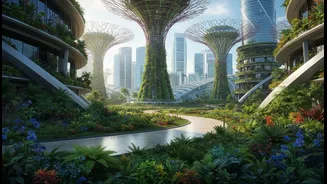
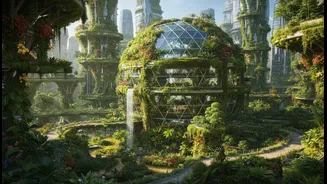
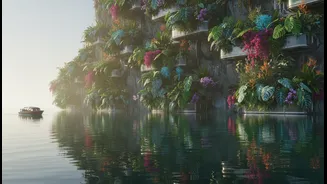
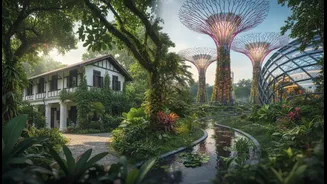
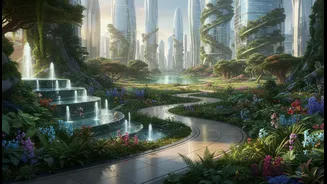
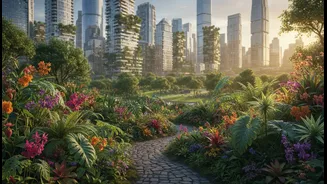
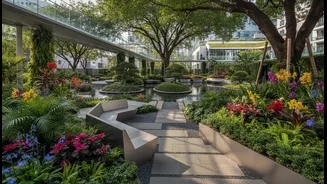
Singapore’s transformation into a green oasis is the result of a deliberate, decades-long vision. The initial “Garden City” concept, aimed at improving quality of life through greenery, has since evolved into the more ambitious “City in Nature” initiative.
This philosophy is about more than just planting trees; it's a holistic strategy to integrate nature into the urban landscape, enhancing biodiversity, sustainability, and citizen well-being. This national effort aims to create a green, liveable, and climate-resilient home by expanding natural habitats, restoring nature into the built environment, and strengthening the connectivity between green spaces. It’s a blueprint for how a densely populated city can coexist harmoniously with the natural world.
The Futuristic Icon: Gardens by the Bay
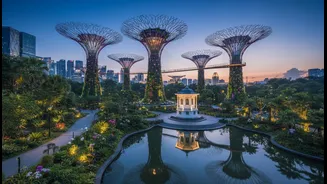
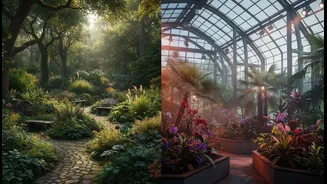
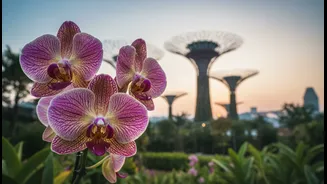
No tour of Singapore’s green marvels is complete without a visit to Gardens by the Bay. This 101-hectare park is a stunning showcase of horticultural artistry and sustainable engineering. Its most famous features, the Supertrees, are not just whimsical sculptures but vertical gardens that harvest solar energy, collect rainwater, and serve as exhaust vents for the park's climate-controlled conservatories. Inside these colossal glass domes, the Flower Dome and Cloud Forest, visitors are transported to different climates. The Flower Dome replicates the cool-dry conditions of Mediterranean regions, while the Cloud Forest features a 35-metre-tall mountain shrouded in mist, complete with a stunning indoor waterfall. These structures are cooled using a sophisticated, energy-efficient system powered in part by horticultural waste, making the Gardens a world leader in sustainable design.
The Historic Heart: Singapore Botanic Gardens
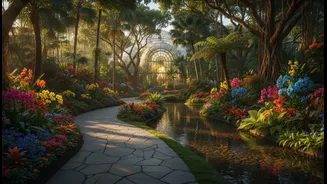
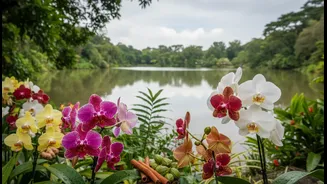
In contrast to the futuristic feel of Gardens by the Bay, the Singapore Botanic Gardens offer a journey through history. Established in 1859, it is the only tropical garden to be inscribed as a UNESCO World Heritage Site. The Gardens played a crucial role in the region's agricultural history, particularly in the cultivation of rubber during the early 20th century. Spanning 82 hectares, the site features a small tropical rainforest with trees towering up to 40 meters, offering a glimpse of the island's original jungle. The National Orchid Garden, a highlight for many visitors, displays over 1,000 species and 2,000 hybrids, making it one of the world's most significant orchid collections. It stands as a testament to Singapore's long-standing commitment to botany and conservation.
The Urban Oasis: Jewel Changi Airport
Singapore's dedication to blending nature and urban design extends even to its infrastructure. Jewel Changi Airport is a prime example, transforming a transport hub into a world-class destination. At its heart is the HSBC Rain Vortex, the world's tallest indoor waterfall, plunging 40 meters from the center of a stunning glass-and-steel dome. The waterfall is surrounded by the Shiseido Forest Valley, a terraced indoor forest with walking trails and thousands of plants. The Rain Vortex itself is an engineering marvel, using recirculated rainwater collected from Singapore’s frequent thunderstorms to create its spectacular cascade. At night, it becomes the canvas for a mesmerizing light-and-sound show.
The Green Veins: Park Connector Network
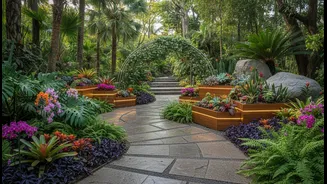
Beyond the headline attractions, Singapore's green philosophy permeates daily life through its Park Connector Network (PCN). Started in the early 1990s, the PCN is an island-wide system of pathways that link parks, nature reserves, and residential areas. This extensive network allows residents to walk, jog, or cycle through green corridors, often alongside rivers and canals, without having to cross major roads. With a goal of having over 500km of connectors by 2030, the network ensures that nearly every household is just a short walk from a park. The PCN is the connective tissue of the City in Nature, a tangible example of how urban planning can prioritize green space and promote a healthy, active lifestyle for its citizens.