




Why Green Chutney Turns Brown
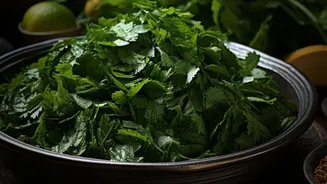
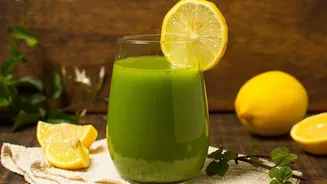
The culprit behind a once-bright chutney turning a disappointing shade of brown or murky green is a combination of heat and oxidation. Fresh herbs like cilantro and mint are packed with chlorophyll, the pigment that gives them their brilliant green colour.
When you blend them, two things happen. First, the blender's blades generate heat, which starts to degrade the chlorophyll. Second, chopping the leaves exposes their cells to oxygen in the air, triggering an enzymatic reaction that further dulls the colour. The longer and hotter the blend, the more colour and fresh flavour you lose. Understanding this simple science is the first step to conquering the problem for good.
Choose Your Hero Herbs
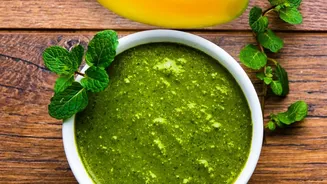
The foundation of any great green chutney is, of course, the herbs. Freshness is non-negotiable for achieving that lively colour and taste. Cilantro (dhaniya) and mint (pudina) are the classic duo, forming the base of most traditional recipes. Cilantro provides an earthy, citrusy backbone, while mint adds a cooling, fresh top note. For best results, use the tender leaves and stems of cilantro, but try to use mainly the leaves of mint, as its stems can sometimes be tough. Don't be afraid to experiment, either. Parsley, dill, and even basil can be used to create unique and delicious variations of this versatile condiment.
The Secret of 'Cool' Blending
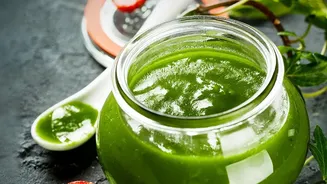
Here is the game-changing trick used by chefs and seasoned home cooks: keep everything cold. The “cool” in “cool, quick blending” is the most crucial part of the technique. By lowering the temperature inside the blender jar, you significantly slow down the oxidation process and counteract the heat generated by the blades. The easiest way to do this is by adding a few ice cubes or using ice-cold water when you blend. This simple addition works wonders to preserve the chlorophyll, ensuring your chutney stays a brilliant, appetising green. Some cooks even chill their blender jar or use herbs that have been refrigerated.
Mastering the 'Quick' Pulse
The second part of the technique is to blend quickly and efficiently. Over-blending is a common mistake that not only generates more heat but can also cause the chutney to become bitter. This bitterness can come from the oils in the herb leaves being overworked. Instead of turning your blender on high and walking away, use the pulse function. Blend in short bursts, stopping to scrape down the sides if necessary, until the ingredients are just combined into a smooth paste. The goal is to get the job done as fast as possible to minimise heat and air exposure. This ensures both a better colour and a cleaner, fresher taste.
A Formula for Flavour
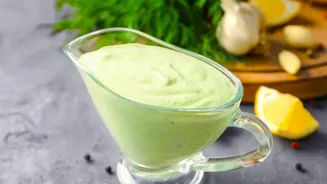
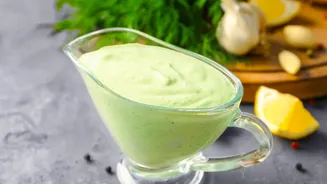
With the technique mastered, building the flavour is easy. A great chutney balances herbaceous, tangy, spicy, and sometimes sweet notes. A typical formula includes your fresh herbs, a souring agent, and aromatics. For tang, lemon or lime juice is essential, as the acid not only brightens the flavour but also helps preserve the green colour. For heat and aromatic depth, add green chillies, fresh ginger, and garlic to your taste. A pinch of salt and a tiny bit of sugar can help balance all the flavours. Some recipes also call for roasted cumin seeds for a warm, earthy note or even a spoonful of yoghurt for creaminess, though adding dairy will reduce its shelf life.
Storing for Lasting Vibrancy
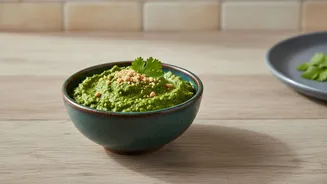
Once you've made your perfect, bright green chutney, you'll want to keep it that way. The enemy, once again, is air. Store the chutney in an airtight container in the refrigerator immediately. For longer storage, the freezer is your best friend. A popular method is to pour the chutney into an ice cube tray, freeze it, and then transfer the frozen cubes to a freezer bag. This allows you to thaw small, convenient portions as needed without exposing the whole batch to air. Simply let the cubes thaw in the fridge; avoid microwaving, as the heat will destroy the fresh colour and flavour you worked so hard to protect.