



The Power of Freshness
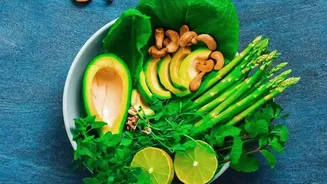
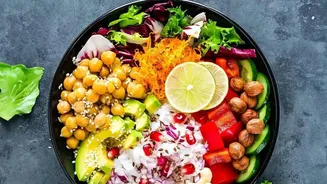
The difference between a dish made with fresh ingredients versus processed ones is significant. Fresh produce, straight from the farm or market, is packed with vitamins, minerals, and natural flavours that are often diminished during processing. Processed
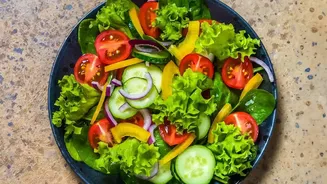
foods frequently contain added sugars, sodium, and preservatives to extend shelf life, which can detract from the food's nutritional quality. Cooking with fresh ingredients means you are getting food in its most natural and nutrient-dense state, which can lead to better health outcomes, including a reduced risk for many chronic diseases. The taste is also unparalleled; ingredients harvested at their peak have a vibrancy and depth of flavour that processed foods simply cannot match.
Plan Your Way to Freshness
One of the most effective habits for healthier cooking is planning. Instead of deciding what to eat minutes before a meal, take some time once a week to plan your dinners. This allows you to build a shopping list focused on the fresh ingredients you'll need. This simple act prevents impulse buys of less healthy, processed options and reduces food waste because you buy only what you intend to use. A good approach is to let seasonal availability guide your meal plan. Building your meals around what's fresh and in season at your local market not only ensures the best flavour but is often more economical.
Shop Smart, Eat Seasonally
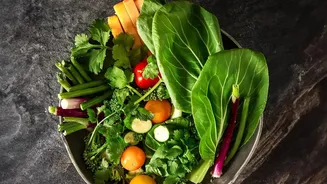
Visiting a local farmers' market is a great way to connect with your food source and get the freshest produce available. When you buy seasonal fruits and vegetables, you're getting them at their peak of ripeness, which means they are more flavourful and nutrient-rich. When shopping, look for produce that is firm, vibrant in colour, and free from blemishes or soft spots. Don't be afraid to use frozen fruits and vegetables as well. They are often frozen at peak freshness, locking in nutrients, and can be a convenient and budget-friendly way to ensure you always have produce on hand.
Master the Art of Storage
Bringing home fresh produce is one thing; keeping it fresh is another. Proper storage is crucial to extending the life of your ingredients and minimising waste. Investing in quality airtight containers can make a big difference. Leafy greens, for example, can be washed, dried, and stored in a container lined with a paper towel to absorb excess moisture. Many herbs can be kept in a jar with a little water, like a bouquet of flowers. Understanding the specific needs of different fruits and vegetables—whether they prefer the refrigerator or the countertop, a dark pantry or a humid drawer—ensures you get the most out of your groceries.
Prep for Success
One of the biggest barriers to cooking fresh meals on busy weeknights is the preparation time. This is where 'ingredient prep' becomes a game-changer. Designate a day, perhaps on the weekend, to wash and chop vegetables, cook a batch of whole grains like quinoa or brown rice, and even marinate proteins. Having these components ready to go in your fridge makes assembling a healthy meal on a Tuesday night as fast as ordering takeout. This practice, known in professional kitchens as 'mise en place', brings a sense of calm and organisation to your cooking routine, making it a more enjoyable and less stressful experience.
Simple Swaps for a Fresh Boost
You don't need to overhaul your entire diet at once. Start by making small, simple swaps. Add a handful of spinach to your morning omelet, top your yogurt with fresh berries instead of flavoured syrups, or add finely chopped vegetables into pasta sauces and casseroles. Instead of a side of fries, try oven-baked sweet potato wedges. Use fresh herbs like coriander, mint, and parsley to add a burst of flavour to dishes instead of relying on packaged sauces. These small additions can significantly increase your daily intake of essential nutrients and make your favorite meals even more delicious.