






A New Chapter of Attacks
In recent weeks, the conflict has taken a sharp turn towards economic warfare centred on the Black Sea. Both Russia and Ukraine have intensified attacks on port infrastructure and commercial vessels. Recent intelligence from mid-August 2026 confirms that
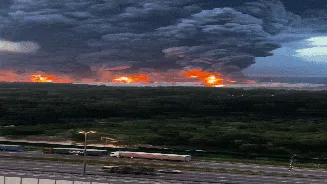
Russia has conducted numerous strikes on Ukrainian ports in the Odesa region, including Izmail, which are crucial for grain exports. These attacks have damaged warehouses, port facilities, and even civilian ships. In response, Ukraine has ramped up drone attacks on Russian port facilities, including the major oil and grain hub of Novorossiysk. These tit-for-tat strikes have transformed the waterway into a high-risk zone, effectively choking off a significant artery of global trade.
The Black Sea's Global Importance
The Black Sea is far more than just a regional body of water; it is a strategic crossroads connecting Eastern Europe with global markets. For centuries, its ports have been essential for moving goods, particularly agricultural products from the fertile 'chernozem' or black earth soil of Ukraine and southern Russia. Before the full-scale invasion, about 90% of Ukraine's agricultural goods were exported via its Black Sea ports, accounting for a massive share of its GDP. Globally, Russia and Ukraine are titans of agriculture. Together, they accounted for over a quarter of the world's wheat exports and over 60% of its sunflower oil in the 2025-26 period. The sea is also a critical route for energy, with Russia's Novorossiysk port alone handling approximately 700,000 barrels of crude oil per day. This makes the stability of the Black Sea directly relevant to the price of bread in North Africa and the cost of fuel in Asia.
The Threat to the Global Food Supply
The immediate consequence of the escalating attacks is a direct threat to the global food supply chain. With dozens of strikes on its port facilities in July alone, Ukraine's ability to export its harvest has been severely hampered. The country has already had to drastically cut its agricultural export forecast for the 2026-27 marketing year by more than half. This isn't just a problem for Ukraine's economy; it's a looming crisis for countries that depend on its grain. The disruption has already caused wheat futures to spike on international markets. According to the UN's Food and Agriculture Organization, global food prices had already reached a three-and-a-half-year high in July 2026, partly due to the Black Sea disruptions. With ships avoiding Ukrainian ports and insurance costs soaring, the flow of essential foodstuffs is slowing to a trickle, threatening to worsen food insecurity in import-dependent nations.
Ripple Effects on Energy and Costs
The conflict's impact extends beyond food. The attacks on Russian energy infrastructure, such as the Novorossiysk port and the Ust-Luga gas condensate complex on the Baltic Sea, create volatility in global energy markets. Novorossiysk is a key export point not only for Russian crude but also for oil from Kazakhstan, meaning disruptions affect Central Asian producers as well. The escalating risk has led to a surge in war-risk insurance premiums for any vessel entering the Black Sea, with costs doubling in just a couple of weeks. Daily costs for oil tankers in the region have also climbed significantly. These increased operational costs are inevitably passed down the supply chain, contributing to higher fuel prices and overall inflation for consumers worldwide. Some nations, like Turkey, are already looking for alternative oil supplies from as far away as Brazil and Guyana to reduce their reliance on the now-precarious Black Sea route.
What This Means for India
For India, the instability in the Black Sea is a cause for significant concern. While not a primary importer of wheat, India is the world's largest importer of edible oils, with sunflower oil from the Black Sea region forming a major component of its supply. Disruptions to this trade can lead to sharp price increases for household cooking oils, directly impacting domestic budgets. The conflict has also claimed Indian lives, with sailors among the casualties in recent attacks on commercial ships. Furthermore, rising global crude oil prices, driven in part by the Black Sea tensions, put pressure on India's import-dependent economy and can fuel inflation across various sectors. The crisis underscores the interconnectedness of the global economy, where a distant conflict can have very real and immediate consequences for Indian households and the nation's economic stability. The challenge now is navigating the diplomatic and economic fallout of a conflict that shows no signs of de-escalating.