



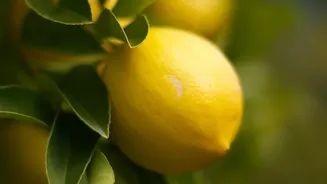

Sunlight: The More, The Better
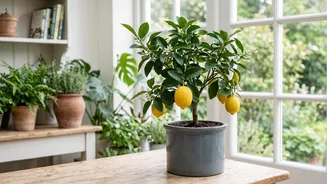
Lemon trees are sun-lovers. To thrive and produce fruit, they need at least six to eight hours of direct, bright sunlight every day. An ideal spot is a south-facing balcony or a sunny corner of your garden. Insufficient light can lead to stunted growth,
fewer leaves, and a disappointing lack of flowers and fruit. If you live in a region with extremely harsh summer heat, providing some light afternoon shade can prevent the leaves from scorching. For those growing plants indoors, placing them by the sunniest window is crucial.
Watering: Finding the Right Balance
Overwatering is a common mistake that can be fatal to lemon plants, leading to root rot. The golden rule is to check the soil before you water. Stick your finger about two inches into the soil; if it feels dry, it's time to water. If it feels moist, wait another day or two. During hot Indian summers, your plant will need more frequent watering, possibly every few days, but in winter, you can reduce the frequency significantly. Ensure your pot has excellent drainage holes to allow excess water to escape, as lemon trees cannot tolerate soggy soil.
Soil: The Foundation for Health
Lemon trees require well-draining soil to prevent waterlogging around their roots. A good potting mix can be made by combining garden soil, organic compost or vermicompost, and something to improve drainage like cocopeat or sand. A mix that is slightly acidic, with a pH between 6 and 7, is ideal for nutrient absorption. For container gardening, using a mix that contains bark, perlite, and peat moss or coco coir ensures the roots get enough oxygen and moisture without becoming waterlogged.
Fertilising: Feeding for Flowers and Fruit
Lemon trees are heavy feeders, especially during their growing season, and require regular nutrients to produce flowers and fruit. Using an organic fertiliser like vermicompost, well-rotted cow manure, or a balanced NPK fertiliser every 4 to 6 weeks during the growing season is recommended. If your plant is flowering but the fruits aren't setting, it could be a sign of a nutrient deficiency in the soil. Regular feeding helps replenish the soil and gives the plant the energy it needs for a bountiful harvest.
Pruning: Shaping for a Better Harvest
Pruning helps maintain the shape of your lemon tree, improves air circulation, and encourages more fruit production. The best time to prune is in the late winter or early spring, just before new growth starts. Start by removing any dead, diseased, or damaged branches. Also, trim branches that are crossing over each other or growing inward, as this opens up the canopy to more sunlight and air. It's advised not to remove more than one-third of the plant's branches in a single year to avoid stressing the tree.
Pest and Disease Control
Common pests affecting lemon plants in India include citrus psylla, leaf miners, aphids, and mealybugs. Regularly inspect the leaves and stems for any signs of infestation. Sooty mould, a black fungus that grows on the sticky substance left by pests, is also common. For many common pests, a spray of neem oil solution can be an effective organic treatment. Fungal issues like citrus canker and root rot are often caused by overwatering and poor air circulation. Ensuring proper care from the start is the best defence against these problems.