




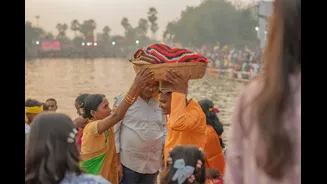


As autumn deepens, millions are preparing for Chhath Puja, one of India's most ancient and rigorous festivals. The evening offering of Sandhya Arghya on November 15 marks a pivotal moment in this profound, four-day worship of the Sun God.
What is Chhath Puja?
Chhath Puja is
an ancient Hindu Vedic festival dedicated to Surya, the Sun God, and Chhathi Maiya, who is revered as the sister of Surya and a goddess who protects children and bestows prosperity. Celebrated with immense devotion primarily in Bihar, Jharkhand, Eastern Uttar Pradesh, and by diaspora communities globally, this festival is a profound expression of gratitude for the life-sustaining energy of the sun. Unlike many festivals that involve idol worship, Chhath is unique for its direct communion with nature. Devotees offer prayers and thanks for the blessings of life, health, and prosperity, making it a celebration of ecological harmony and discipline.
The Four-Day Ritual of Devotion
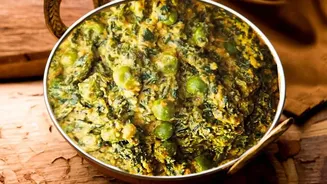
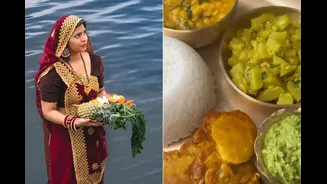
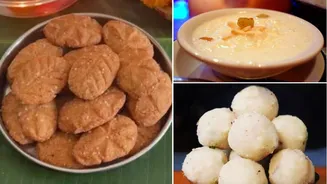
Chhath Puja unfolds over four days, each with its own set of rituals that emphasize purity and austerity. The festival begins on November 13, 2026, with 'Nahay Khay' (Bathe and Eat), where devotees take a holy dip in a river and eat a single, pure vegetarian meal. The second day, November 14, is 'Kharna'. On this day, the main devotee, or 'vrati', observes a day-long fast, which is broken briefly after sunset with a special prasad of kheer and rotis. This marks the beginning of a strict 36-hour fast without water, which continues until the final day.
The Core Ritual: Sandhya Arghya
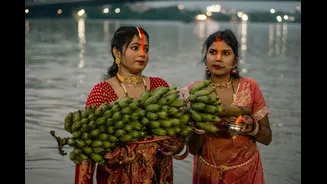
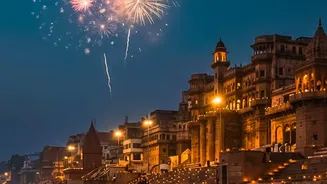
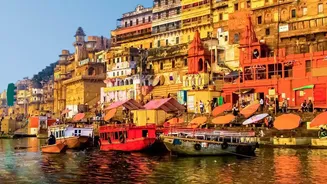
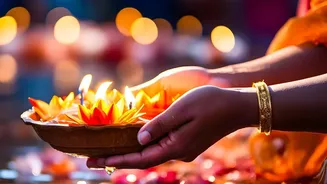
The headline event, Sandhya Arghya on November 15, is the pinnacle of Chhath Puja. As dusk approaches, thousands of devotees congregate at the banks of rivers and ponds. Standing waist-deep in the water, they make offerings, known as 'arghya', to the setting sun. This ritual is unique because few Hindu traditions involve worshipping the setting sun. It symbolises gratitude for the sun's energy throughout the day and an acknowledgment of life's natural cycles of ending and renewal. The ghats come alive with the glow of diyas, the sound of folk songs, and an atmosphere of collective devotion.
Usha Arghya and the Breaking of the Fast
The festival concludes on the morning of November 16 with 'Usha Arghya'. Devotees return to the water bodies before dawn to offer prayers to the rising sun, completing the cycle of worship. This final offering signifies hope and the welcoming of a new day. After the Usha Arghya, the 'vratis' break their 36nd hour fast, a moment known as 'Parana'. Prasad is shared among family, friends, and neighbours, reinforcing the sense of community and shared blessings that defines the festival.
Thekua: The Soul of the Prasad
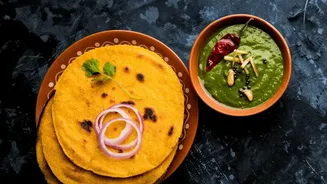
No discussion of Chhath is complete without mentioning its most cherished prasad, Thekua. This sweet, hard biscuit made from wheat flour, jaggery, and ghee is prepared with immense care and purity. The preparation of Thekua is a ritual in itself, often a communal activity involving multiple generations of women in a family. It is not just a food item but an offering that embodies the devotion, simplicity, and cultural heritage of the festival. The Thekua, along with fresh fruits, sugarcane, and coconuts, is arranged in bamboo baskets for the arghya offerings.