


Why the Darkness Matters
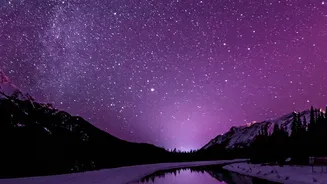
Dark-sky tourism, or astrotourism, is about seeking out destinations with minimal man-made light. The goal is simple: to experience a night sky so clear that the Milky Way is visible to the naked eye. This isn't just a niche hobby; it's a response to a growing
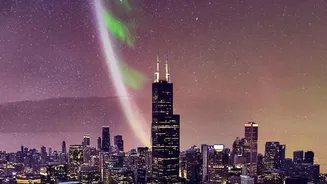
environmental issue. Light pollution, the excessive and misdirected artificial light from our cities and towns, doesn't just block our view of the stars. It disrupts ecosystems, affects wildlife behaviour, and can even impact human health by interfering with our natural sleep rhythms. By travelling to protected dark-sky areas, you're not only getting a spectacular view but also supporting the conservation of one of nature's most magnificent, and increasingly rare, spectacles.
Finding a Certified Sanctuary
The gold standard for finding a pristine stargazing spot is to look for places certified by DarkSky International. This organisation designates parks, reserves, and communities around the world that are committed to preserving the natural darkness of the night. These 'International Dark Sky Places' are categorised based on their level of darkness and remoteness. Parks are often publicly accessible lands, Reserves are larger areas with a dark core surrounded by a populated periphery, and Sanctuaries are the most remote and often darkest places on Earth. With over 200 certified locations worldwide, there's a growing network of places where you can be assured of an incredible celestial show.
India's Starry Havens
India is home to some exceptional locations for stargazing. The most prominent is the Hanle Dark Sky Reserve in Ladakh, India's first and only officially designated reserve. Located high in the Changthang plateau, its dry climate and high altitude offer some of the clearest skies in the country, earning it a 'Bortle-1' rating—the darkest possible classification. Other prime spots include Spiti Valley in Himachal Pradesh, the Rann of Kutch in Gujarat, and Pench Tiger Reserve in Madhya Pradesh, which is noted as India's first dark sky park. Locations in Coorg, Jaisalmer, and parts of the Western Ghats also provide fantastic opportunities to escape city lights and look up.
Timing Your Trip Is Everything
The success of a stargazing trip heavily depends on timing. The most crucial factor is the lunar cycle. Plan your visit around the new moon, when the sky is at its darkest, allowing faint stars and the Milky Way to shine brightly. A full moon, while beautiful, acts like a giant celestial spotlight, washing out most other objects in the sky. Also, consider the season. The core of the Milky Way is most visible during the summer months (from March to October in the Northern Hemisphere). Finally, always check the weather forecast before you go; even the darkest location is useless if it's covered in clouds.
Your Stargazing Toolkit
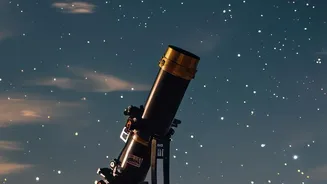
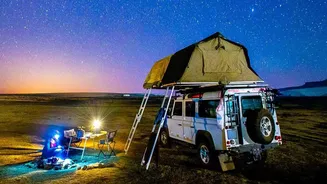
You don't need expensive equipment to start. The most important tool is your own eyes, given 20-30 minutes to adjust to the darkness. However, a few items can greatly enhance the experience. Pack a pair of binoculars, which are a practical first step for viewing lunar craters or star clusters without the complexity of a telescope. Download a stargazing app like SkySafari or Stellarium on your phone; these use your location to create a real-time map of the sky. A red-light torch is essential, as red light doesn't spoil your night vision the way white light does. Finally, since temperatures can drop sharply at night, bring warm layers, a hat, a blanket, and a comfortable chair or mat.
Etiquette Under the Stars
When you visit a dark-sky location, being a responsible tourist helps preserve the experience for everyone. The golden rule is to minimise your light footprint. Use only a red-light torch, and even then, use it sparingly. Avoid using your phone screen, as its bright white light can ruin your and others' night vision. Arrive at your viewing spot before dusk to set up in the daylight. Be mindful of other stargazers and wildlife by keeping noise to a minimum. By respecting the darkness, you contribute to the very reason these special places exist, ensuring they remain pristine for future visitors and the wildlife that calls them home.