

The Star: Medu Vada
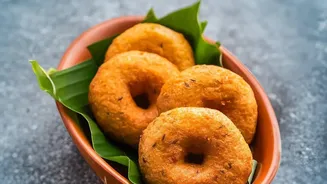
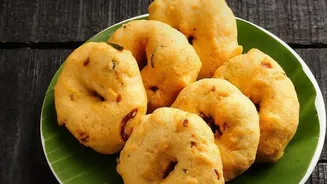
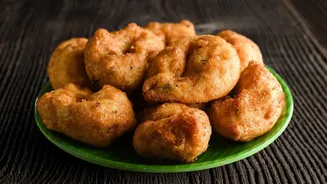
The centerpiece of this iconic meal is the medu vada. The name itself tells you what to expect: in Kannada, 'medu' means soft, and 'vada' means fritter. It’s a savoury fritter made from a batter of urad dal (black lentils) that have been soaked and ground
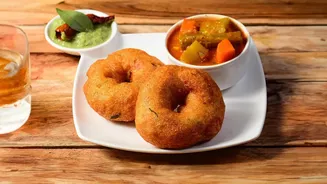
into a light, fluffy paste. This batter is often seasoned with ingredients like green chillies, ginger, curry leaves, and black peppercorns. The real artistry lies in its texture. When deep-fried, the vada develops a wonderfully crisp, golden-brown exterior while remaining incredibly soft and spongy on the inside. Its distinctive doughnut shape isn't just for show; the hole in the middle allows the vada to cook evenly, ensuring that perfect textural contrast in every bite. Though its exact origins are debated, many trace it back to the town of Maddur in Karnataka. From there, its popularity was spread far and wide by Udupi restaurateurs.
The Soul: Aromatic Sambar
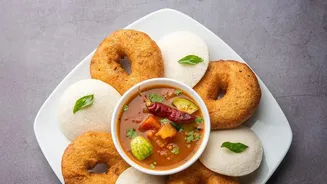
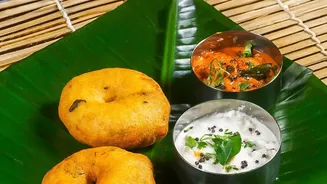
No vada is complete without its soulmate, sambar. This hearty, flavourful stew is a cornerstone of South Indian cuisine. At its core, sambar is a lentil-based vegetable stew, typically made with toor dal (pigeon peas) and a tangy broth derived from tamarind. A special blend of roasted and ground spices, known as sambar powder, gives the dish its signature aroma and complexity. A variety of vegetables can be included, such as drumsticks, carrots, pumpkin, and small onions (shallots), making each pot slightly different depending on the region and season. When paired with vada, the sambar plays a crucial role. You can dip the crispy vada into the stew, or go for the full 'sambar vada' experience, where the fritters are soaked in the sambar until they become soft and absorb all the tangy, spicy flavours. This transforms the meal, creating a truly comforting and satisfying dish.
The Finish: Cooling Chutneys
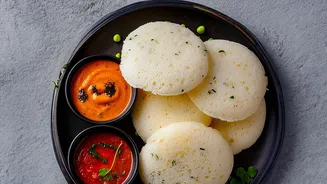
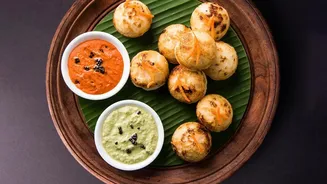
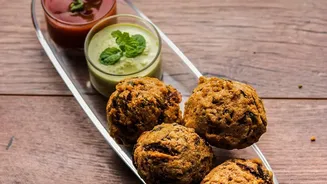
If vada is the star and sambar is the soul, then chutney is the bright, fresh finish that ties everything together. While many types of chutney exist, the most classic pairing for medu vada is coconut chutney. This cooling condiment provides a perfect counterpoint to the hot, fried vada and the tangy sambar. It is typically made from a smooth blend of freshly grated coconut, green chillies, ginger, and sometimes a handful of roasted gram dal for body. The chutney is often finished with a tempering of mustard seeds and curry leaves fried in a little oil, which adds another layer of aroma and flavour. Other popular options include red chutney made with tomatoes or red chillies, and coriander or mint chutneys, each offering a different dimension to the breakfast platter. This trio of textures and tastes—creamy, spicy, and fresh—is essential to the complete vada experience.
A Symphony in Every Bite
The magic of this breakfast lies not in any single component, but in the combination. The proper way to enjoy it is to embrace the mix. Tear off a piece of the hot, crispy vada with your fingers. Submerge it into the warm, tangy sambar, allowing the spongy interior to soak up the liquid. Then, add a dab of the cooling coconut chutney before taking a bite. The result is a delightful explosion of temperatures, textures, and tastes. You get the crunch of the vada's crust, the soft, flavour-soaked interior, the spicy warmth of the sambar, and the fresh, creamy balance of the chutney all at once. It’s this perfect harmony that has made the vada, sambar, and chutney combination an enduring breakfast institution across India and beyond.
Beyond the Classic
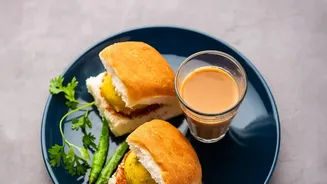
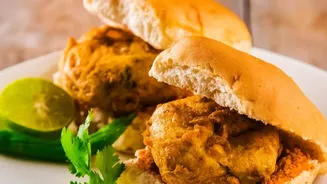
While medu vada holds a special place, the world of vadas is vast and varied. In Maharashtra, the batata vada—a spiced potato patty coated in gram flour batter—is the star of the famous street food vada pav. From Rajasthan comes the fiery mirchi vada, a large green chilli stuffed with a spicy potato mix and fried. The parippu vada of Kerala, made with toor dal (lentils), offers a crunchier, disc-shaped alternative. There are also vadas made from semolina (rava vada), tapioca (kappa vada), and even sweet versions like vella vada, made with jaggery and rice flour. Each regional variant tells a different story, but they all share a common identity as a beloved and satisfying snack.