




A Chasm Dug by History
To understand the US-Iran relationship is to understand a history riddled with mutual suspicion. For many Iranians, the story begins in 1953, when the CIA orchestrated a coup to overthrow their democratically elected Prime Minister, Mohammad Mosaddegh,
and reinstall the Shah. This act installed a pro-American monarch but planted deep seeds of resentment against US interference, a sentiment that would boil over decades later. For Americans, the defining trauma came in 1979. Following the Islamic Revolution, Iranian students stormed the US embassy in Tehran, holding 52 Americans hostage for 444 days. This event shattered the image of Iran as an ally and cemented its portrayal as a hostile, unpredictable state. These two events, a coup and a hostage crisis, created foundational narratives of betrayal and animosity that politicians in both countries have drawn upon ever since.
The Nuclear Deal: A Test of Trust
The 2015 Joint Comprehensive Plan of Action (JCPOA), or Iran nuclear deal, was a landmark attempt to bridge this gap, not through trust, but through verification. It was a transactional agreement where Iran accepted stringent limits on its nuclear program in exchange for sanctions relief from the US and other world powers. For a brief period, it worked. The deal successfully blocked Iran's pathways to a nuclear weapon, according to international inspectors. However, the agreement was built on fragile ground. When the United States unilaterally withdrew from the JCPOA in 2018 under the Trump administration, it was seen in Tehran as the ultimate act of bad faith. From Iran's perspective, it had kept its side of the bargain only for the US to renege on its commitments, confirming hardliners' long-standing warnings that America could not be trusted. This decision not only unraveled the deal but also severely damaged US credibility for future negotiations.
The Vicious Cycle of Mistrust
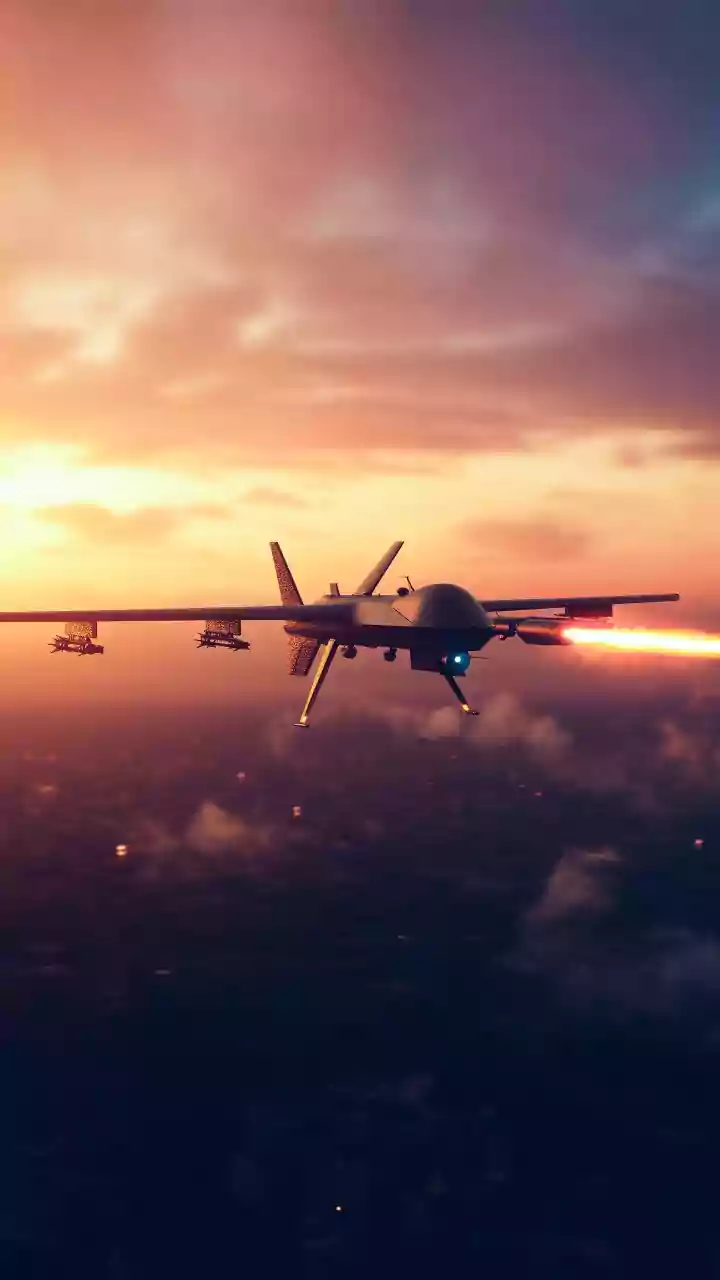
This trust deficit poisons almost every aspect of the relationship. On the international stage, it fuels a dangerous cycle of escalation. Every defensive maneuver by one side is interpreted as an offensive threat by the other. This dynamic plays out across the Middle East, from the Strait of Hormuz to proxy conflicts in the region. Recent flare-ups in 2026, involving naval blockades and missile attacks, underscore how quickly misinterpretation and a lack of reliable communication can lead to the brink of wider conflict. Domestically, the mistrust serves political ends. For hardliners in both Washington and Tehran, the 'enemy' is a useful tool for consolidating power, silencing dissent, and justifying military spending. A perpetual state of crisis makes compromise seem like weakness and diplomacy like appeasement.
Can a Bridge Be Built?
Building trust between two adversaries with such a bitter history seems like a monumental task. It doesn’t mean becoming friends or allies. Rather, it means establishing a baseline of predictability and reliability. Diplomats and analysts suggest that progress is more likely to come from small, verifiable steps rather than a single grand bargain. These could include prisoner swaps, de-escalation in regional proxy fights, or maintaining back-channel communications to prevent accidental conflicts. Even the language used by leaders matters. Conflicting public statements and accusations of duplicity, as seen in recent diplomatic flurries, only deepen the chasm. For any negotiation to succeed, there must be a belief, however faint, that the other side will honor its commitments. This is less about faith and more about creating a structure of incentives and verification so robust that it becomes more costly for either side to cheat than to comply.