







Navigating the Mangrove Maze
The only way to truly explore the Sundarbans is by boat. The journey begins where the roads end, typically at jetties like Godkhali, a few hours' drive from Kolkata. From here, you board a motorboat that becomes your vessel for exploration, transportation,
and sometimes even lodging. As you glide through the network of creeks and canals, the dense, green walls of the mangrove forest rise on either side. This unique ecosystem, a UNESCO World Heritage Site, is a maze of tidal waterways where saltwater and freshwater meet, creating a habitat found nowhere else on earth. The safari here isn't about covering ground but about patiently observing the water's edge and listening to the sounds of the jungle.
Beyond the Elusive Tiger
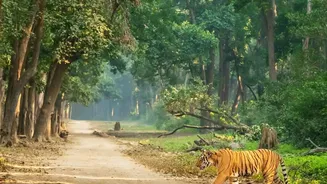
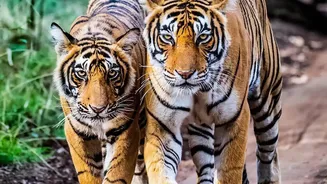
While the Royal Bengal Tiger is the star attraction, sightings are famously rare and require a good deal of luck. However, the Sundarbans teem with other fascinating wildlife that is more readily visible. Keep your eyes peeled for saltwater crocodiles basking on the muddy banks, herds of spotted deer grazing near the forest edge, and wild boars snuffling through the undergrowth. The waterways are also home to the endangered Ganges and Irrawaddy dolphins. For birdwatchers, the region is a paradise, with over 260 species recorded, including multiple types of kingfishers, the white-bellied sea eagle, herons, and egrets. Watchtowers at strategic points like Sajnekhali, Sudhanyakhali, and Dobanki offer panoramic views and increase the chances of spotting animals visiting freshwater ponds.
A Glimpse into Local Life
A complete Sundarbans itinerary goes beyond the forest core to embrace the vibrant culture of its island villages. These communities have adapted to a challenging life dictated by the tides and the forest. Many tour packages now include guided village walks where you can interact with local families and learn about their traditional occupations, such as fishing, crab collecting, and the perilous task of honey collection. You'll see homes built from local materials and gain insight into the daily routines of people who live in close harmony with a powerful natural world. This experience provides a humbling perspective on the resilience and resourcefulness of the Sundarbans' human inhabitants.
The Spirit of Bonbibi and Local Traditions
The culture of the Sundarbans is rich with folklore, and no figure is more important than Bonbibi, the guardian deity of the forest. Worshipped by both Hindu and Muslim communities, she is believed to protect the villagers, fishermen, and honey collectors from tiger attacks and other dangers of the jungle. Visiting a village might offer a chance to see a local shrine dedicated to her. In the evenings, many eco-resorts arrange cultural programs featuring local folk music and dance. Performances often include 'Jhumur' or a 'Bonbibi Jatra', a traditional folk play that narrates her legend, providing an entertaining and immersive way to connect with the region's spiritual heartbeat.
Planning Your Sundarbans Escape
The best time to visit the Sundarbans is during the winter months, from October to March, when the weather is cool and pleasant, making long boat rides comfortable. Most trips are arranged as packages that start from Kolkata and include transport, accommodation, meals, boat safaris, and permits. These can range from one-day trips to more immersive two or three-day itineraries. Accommodation varies from basic forest lodges and houseboats to comfortable eco-resorts that often support the local community. When packing, include light cotton clothing, sunscreen, a hat, insect repellent, and a pair of binoculars for better wildlife viewing.