





The Fried Food Dilemma During Fasts
During fasting periods like Navratri, the evening meal often features an array of deep-fried delights. From sabudana vadas and kuttu puris to potato chips, these foods are popular because they are filling and flavourful. However, this reliance on fried items
can have its downsides. They are often high in calories and unhealthy fats, which can lead to feelings of lethargy, bloating, and acidity. The purpose of fasting is often to cleanse the body and mind, but a diet heavy on oil can work against this goal, weighing you down instead of uplifting you. Making mindful choices can help you stay energised and healthy throughout your fast.
Paneer: The Protein Powerhouse
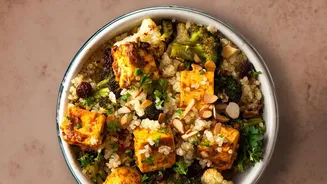
Paneer, or Indian cottage cheese, is an excellent addition to a fasting diet. It is a fantastic source of high-quality protein, which is digested slowly, helping you feel full and satisfied for longer. This sustained energy release prevents the sudden hunger spikes that can occur with carb-heavy meals. Rich in calcium, paneer also supports bone health. Instead of frying it, consider healthier preparations. You can grill paneer cubes to make a simple tikka, crumble it into a fresh salad with cucumbers and tomatoes, or make a light paneer bhurji using minimal ghee. These methods retain the nutritional benefits without adding excess oil.
Peanuts: A Boost of Healthy Energy
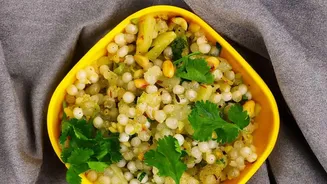
Often used as a garnish or in sabudana khichdi, peanuts deserve a more central role in your vrat diet. These small legumes are packed with healthy monounsaturated fats, protein, and fibre. This combination provides lasting energy and promotes a feeling of fullness, which can help manage cravings throughout the day. Studies have shown that peanuts can aid in weight management and help regulate blood sugar levels. Instead of frying them, opt for dry-roasted peanuts as a simple snack. You can also make homemade energy laddoos by blending roasted peanuts with dates or jaggery, or add a handful to fruit chaats for a crunchy, nutritious boost.
Rajgira: The Ancient Super Grain
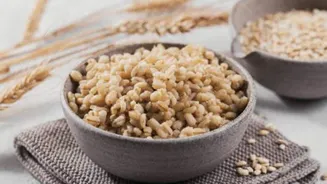
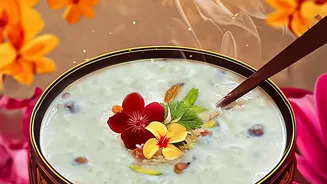
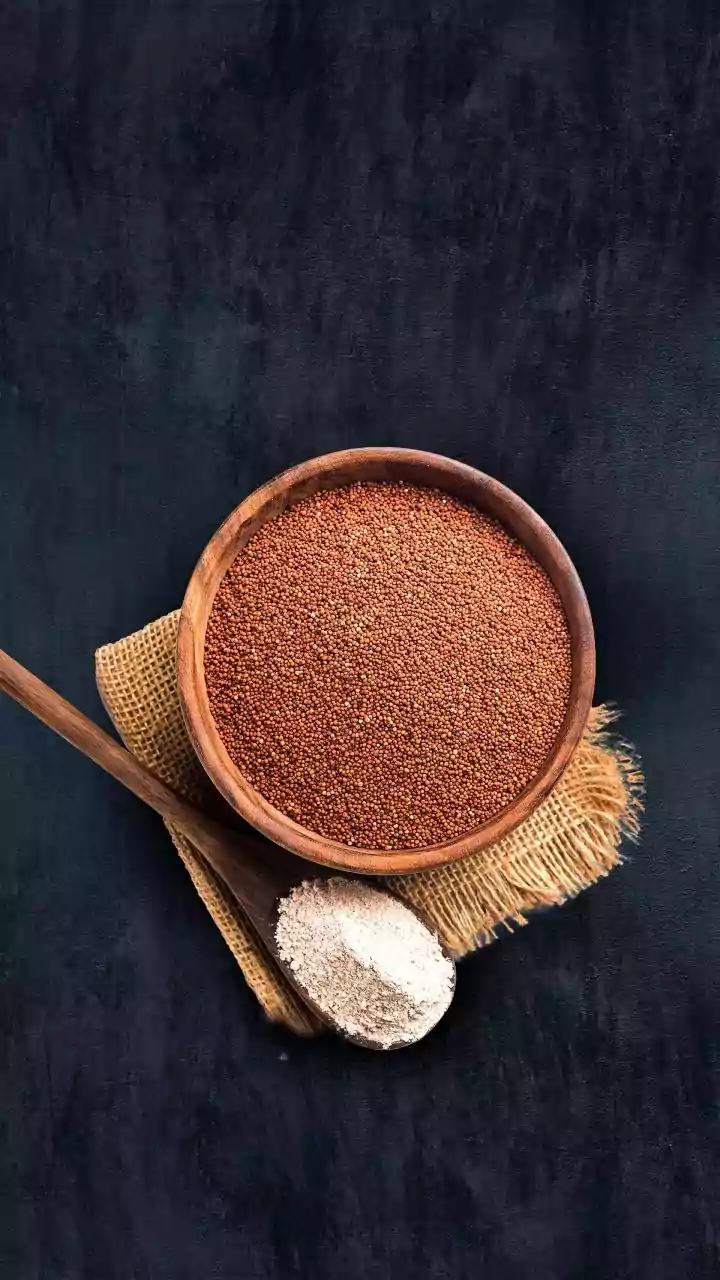
Rajgira, also known as amaranth, is a pseudo-cereal, not a true grain, which is why it is widely permitted during fasts. It is a nutritional powerhouse, boasting high levels of protein, fibre, and essential minerals like iron and magnesium. Being naturally gluten-free, it is light on the stomach and easy to digest. The protein and fibre content in rajgira helps in controlling appetite and provides sustained energy, making it an ideal food for fasting. Instead of making deep-fried puris from its flour, you can use it to make soft rotis or cheelas (thin pancakes) on a tawa with very little ghee. You can also make a nourishing porridge (kheer) with rajgira seeds for a wholesome meal.
Making the Healthy Switch Effortless
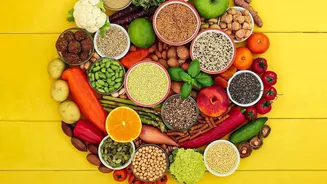
Incorporating these foods into your vrat diet is simpler than it seems. Start by planning your meals to include a source of protein and fibre. For example, a meal could consist of a rajgira roti, a bowl of yogurt, and a side of paneer bhurji. Instead of fried potato snacks, try a sweet potato chaat, which is both filling and nutritious. Baking or air-frying snacks like sabudana tikkis instead of deep-frying them can significantly cut down on oil. By focusing on whole foods and healthier cooking methods like roasting, steaming, and grilling, you can ensure your fasting period is a truly rejuvenating experience for both body and soul.