






The results of the US midterm elections are in, delivering a significant political shift in Washington. For businesses and investors in India, this outcome introduces a new dynamic to the crucial India-US economic relationship.
A New Political Landscape in Washington
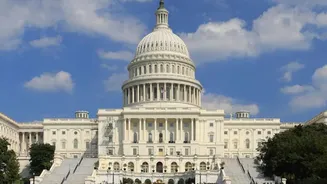
The Democratic Party has
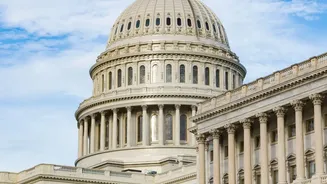
secured control of both the House of Representatives and the Senate, marking a significant rebuke of the sitting Republican administration. This shift ends unified Republican control of Congress and grants Democrats the power to influence legislation, conduct investigations, and apply greater scrutiny to the administration's policies for the remainder of the presidential term. While the President retains significant authority, particularly in foreign policy and trade through executive actions, the new balance of power in Congress is poised to create a more complex and potentially contentious policy environment.
Recalibrating the Trade Relationship
The election results introduce both opportunities and uncertainties for India-US trade negotiations. While an interim trade agreement has been under discussion, its finalisation has been complicated by tariff issues. With Democrats controlling Congress, there will likely be greater oversight of the administration's aggressive tariff strategies. However, experts caution against expecting a complete reversal of protectionist policies, as economic nationalism and the aim to protect domestic industries have gained bipartisan support in the US. Some analysts believe the pressure on India to finalise a deal may ease slightly, as the US administration's ability to unilaterally escalate tariffs could be constrained. Conversely, others suggest the administration might now push harder for a quick trade deal with India to secure a foreign policy 'win'.
Impact on Key Indian Sectors
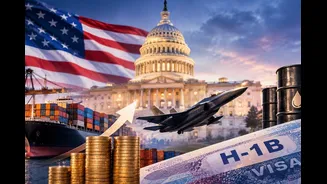
The shifting dynamics in Washington could have varied effects across different Indian industries. The technology and IT services sectors, which rely heavily on the H-1B visa program, will be watching closely for any changes in immigration policy. The pharmaceutical sector, a major exporter of generic medicines to the US, remains sensitive to any new tariff discussions, particularly under provisions like Section 232 investigations which the President can still leverage. There is also continued focus on energy, as US policy toward Russia and Iran has direct implications for India's oil import costs. A key area of bipartisan consensus, however, is the shared strategic goal of countering China, which may continue to foster cooperation in technology and defence, although access to sensitive American tech is never guaranteed.
Market Sentiment and Investor Outlook
Indian financial markets reacted positively to the election news, with benchmark indices showing gains. This optimism is partly linked to a decline in global crude oil prices, which eased on expectations of a more measured US foreign policy. A weaker US dollar following the election results also tends to make emerging markets like India more attractive to foreign portfolio investors (FPIs). Analysts suggest that while the immediate market reaction has been favourable, longterm sentiment will depend on concrete policy signals from Washington. Potential future friction over the US debt ceiling, which could become more contentious with a divided government, is another source of global uncertainty that investors are monitoring.