

Let the Plant Be the Star
The first rule of selecting a pot is that it should serve the plant, not dominate it. The goal is to create a harmonious pairing where the container enhances the beauty of the foliage or flowers. A pot that is too loud in colour or ornate in design can
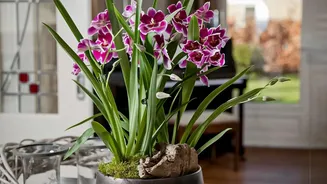
distract the eye, making the plant itself an afterthought. Instead, think of the pot as a frame for a piece of art. A simple, well-chosen frame elevates the artwork without competing with it. The same principle applies here. The pot and plant should work together to create a single, balanced composition that adds to your room’s decor rather than creating visual clutter. This is especially true for plants with subtle textures or variegated leaves, which can be easily overpowered.
A Lesson in Colour Theory
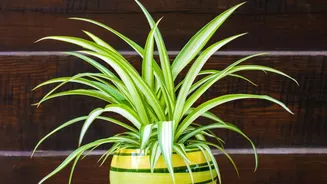
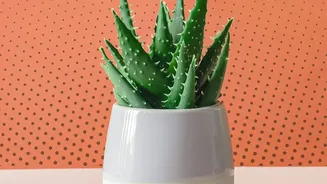
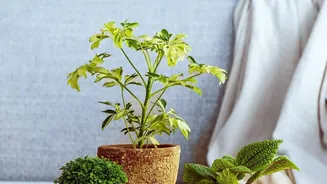
Choosing a pot colour is a powerful design tool. For a classic, cohesive look, you can’t go wrong with neutral tones like white, grey, black, or beige. White pots, in particular, make bright flowers and rich green foliage pop, and they fit seamlessly into modern, minimalist aesthetics. They also keep the soil cooler by reflecting sunlight, which is beneficial for plants in sunny spots. For a more integrated feel, select pot colours that echo your existing interior decor, using them to create a monochromatic or complementary colour scheme. A terracotta pot offers a rustic, natural feel, while a deep green pot can create a lush, layered look by blending with the plant's own foliage. Don't be afraid of contrast, either; a pot in a colour opposite the plant's leaves on the colour wheel can create a dynamic and eye-catching focal point.
The Importance of Shape and Scale
Beyond colour, the shape and size of the pot are critical for both aesthetic harmony and plant health. The shape of the pot should complement the plant's natural form. Tall, slender plants like a snake plant or a fiddle leaf fig look balanced and elegant in a taller, cylindrical pot that echoes their vertical growth. In contrast, a low, trailing plant like a pothos or string of pearls is beautifully showcased in a wider bowl or a hanging planter that gives it space to spill over the sides. Scale is equally important; a large, bushy plant will look comically cramped in a tiny pot, while a small, delicate succulent can get lost in an oversized container. As a general rule, choose a pot that is proportionate to the plant's current size but allows for one to two years of root growth.
The Power of Grouping
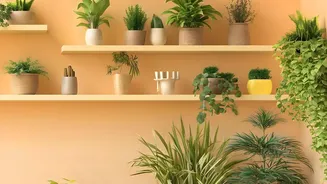
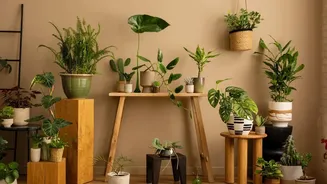
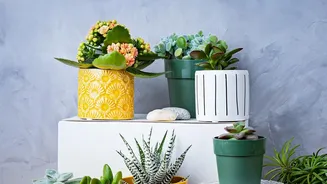
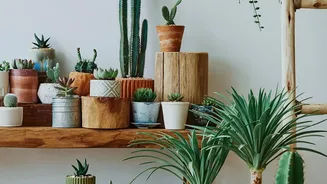
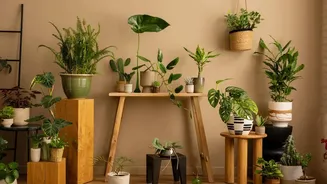
While a single, well-placed plant can be beautiful, grouping several together creates a much greater visual impact. Designers often use the 'rule of three,' arranging plants in odd numbers to create a display that feels more natural and visually appealing than even-numbered groups. When creating a cluster, aim for variety in height, texture, and shape to build a dynamic and interesting vignette. A great technique, borrowed from outdoor container design, is the 'thriller, filler, and spiller' concept. Your 'thriller' is a tall, upright plant that provides a focal point. The 'fillers' are bushier, mid-sized plants that surround it, and the 'spillers' are trailing plants that cascade over the edges of their pots, softening the look.
Creating Cohesion with Ceramics
Using pots of the same material, such as ceramic, is an effective way to unify a grouped display, even if the shapes and sizes vary. Ceramic planters are a popular choice for indoor use because they are available in a vast array of colours and finishes, from glossy to matte, allowing for endless customisation. They are also weighty and stable, which is great for preventing top-heavy plants from tipping over. To create a cohesive look, stick to a limited colour palette of two or three shades across your group of ceramic pots. This creates a sense of intention and order, tying the collection together. You can also use stands, stools, or books to display your plants at different levels, ensuring each one has its own space to shine while contributing to a lush, layered look.