

A Symphony of Subtle Flavours
The pairing of chamomile and honey is a classic for a reason. Chamomile, a flower from the daisy family, imparts a gentle, floral flavour with hints of apple and earthiness. It's a calming, aromatic profile that feels both nostalgic and refined. When
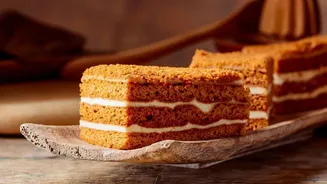
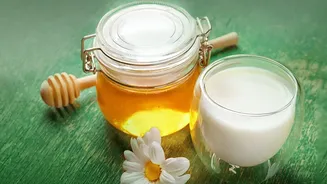
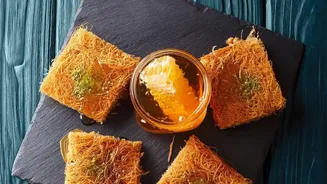
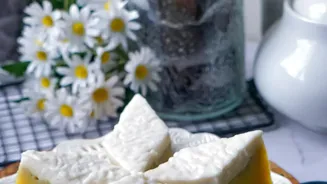
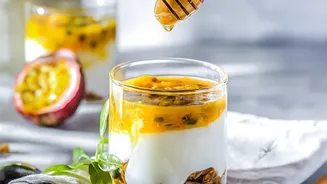
paired with pure honey, the experience deepens. Honey offers more than just sweetness; depending on the variety, it can add its own floral, fruity, or rich notes that refined sugar simply cannot. Together, they create a balanced, layered flavour that is comforting yet distinctly special, turning a simple sponge into a memorable dessert.
Mastering the Art of Infusion
Getting that delicate chamomile flavour into your cake is the key. There are several effective methods. The most popular technique is to create a tea-infused liquid. Gently heat the milk or cream called for in your recipe, add chamomile tea bags or loose flowers, and let it steep. For a deeper flavour, you can let it steep for at least 15-20 minutes, or even overnight in the refrigerator. Once infused, strain the liquid and use it as directed. Another method involves infusing the butter by melting it with chamomile, letting it steep, and then straining. For a more direct approach, you can grind dry chamomile flowers into a fine powder and add it directly to your dry ingredients, which also adds a lovely speckled look to the final cake.
The Magic of Baking with Honey
Substituting honey for sugar isn't just about flavour; it changes the chemistry of your cake. Honey is a natural humectant, meaning it attracts and retains moisture. This results in cakes that are wonderfully tender and stay fresh for longer. However, a direct one-for-one swap isn't ideal. Since honey is sweeter than sugar and is a liquid, you need to make a few adjustments. A good rule of thumb is to use about ¾ cup of honey for every 1 cup of sugar. You should also reduce the other liquids in the recipe by about ¼ cup for every cup of honey used. Finally, because the natural sugars in honey cause it to brown faster, it's wise to lower your oven temperature by about 25°F (around 15°C) to prevent the outside from getting too dark before the inside is cooked.
Perfect Pairings and Presentation
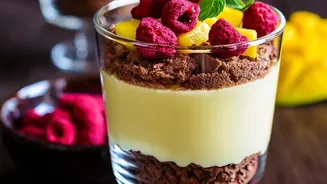
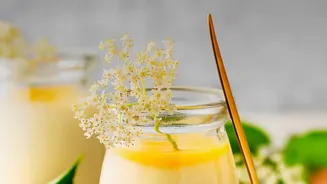
Chamomile and honey are a beautiful base, but they also pair wonderfully with other flavours. Citrus, particularly lemon, can brighten the floral notes. Stone fruits like peaches or plums, and berries such as raspberries, also make excellent companions, either folded into the batter or served alongside. For a touch more complexity, consider adding complementary herbs like lavender or spices like cardamom. When it comes to presentation, let the cake's natural elegance shine. A simple honey glaze, perhaps infused with a bit more chamomile, can add a beautiful sheen. A dusting of powdered sugar or a garnish of fresh, edible flowers like chamomile blossoms completes the sophisticated look.
A Simple Chamomile Honey Soak
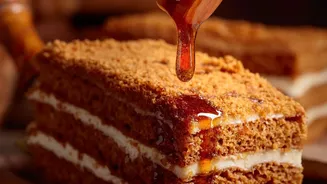
To amplify the flavours even further, consider a simple syrup soak. After your cake layers have baked and cooled slightly, you can brush them with this liquid for extra moisture and taste. To make it, gently heat equal parts honey and water in a small saucepan until the honey dissolves into the water; you do not need to boil it. For an extra layer of flavour, you can steep a chamomile tea bag in the warm syrup for about 10 minutes before brushing it onto your cake layers. This step ensures the chamomile and honey notes are present in every single bite, making your creation even more luxurious.