



Start with the Right Paneer
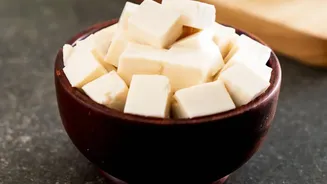
The foundation of a good filling is the paneer itself. While convenient, some store-bought paneer can be overly dry or crumbly. For best results, consider using fresh, homemade paneer. If you are using a store-bought block, opt for one that feels firm
but moist. Avoid paneer that appears chalky or brittle. If your paneer is refrigerated, soaking it in lukewarm water for 10-15 minutes before use can significantly soften its texture, making it less prone to crumbling when you mix it. This small step brings cold, hard paneer back to a pliable state.
Moisture Is the Enemy
The single biggest cause of a weak, crumbly filling is excess water. Whether from the paneer itself or from added ingredients like onions, moisture turns your filling into a paste that creates steam and pressure, tearing the dough. If using homemade paneer, ensure you've pressed it adequately to remove as much whey as possible. For store-bought paneer, gently squeeze it or press it under a light weight for about 20 minutes before crumbling or grating. If your recipe includes onions, chop them finely and consider sautéing them lightly to cook off their moisture before adding them to the mix. Crucially, add salt to your filling only at the very last moment before you begin stuffing; salt draws water out of both the paneer and the vegetables, which can quickly make your mixture watery.
Grate, Don't Just Crumble
How you break down the paneer block makes a significant difference. While crumbling with your hands is quick, it often results in uneven chunks, with some large pieces and some fine dust. These larger, irregular pieces create weak points that can easily puncture the dough. For a more cohesive and uniform texture, it's highly recommended to grate the paneer using a box grater. Finely grated paneer mixes more evenly with spices and binders, creating a homogenous mixture that holds together as a single unit rather than a collection of loose crumbles. This consistent texture is key to a filling that stays put.
The Magic of a Binding Agent
Even with moisture control, a binding agent is your best insurance policy against a crumbly filling. A binder helps the grated paneer and spices cling together, forming a soft, stable ball of filling. One of the most effective and popular binders is a small amount of boiled and mashed potato. The starch in the potato works like a glue, holding everything together without affecting the flavour. Other excellent options include a tablespoon of roasted gram flour (besan or sattu), a sprinkle of breadcrumbs, or even a small amount of grated processed cheese. These ingredients absorb any residual moisture and provide the structure needed for the filling to withstand the pressure of rolling.
Mastering the Roll
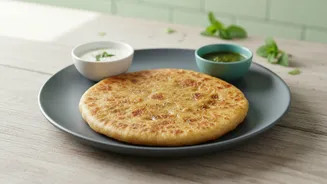
Finally, your technique matters. Ensure your dough is soft, pliable, and well-rested for at least 20-30 minutes. A stiff dough requires more pressure to roll, which in turn will squeeze the filling out. When you stuff the dough, don't overfill it; a common mistake is using too much filling for the amount of dough, leaving no room for it to spread. Seal the edges firmly to create a secure parcel. When you begin to roll, use a gentle and even touch. Start by lightly pressing the stuffed ball with your fingers to spread the filling evenly inside the dough before you even pick up the rolling pin. Roll from the center outwards, applying light, consistent pressure. If you roll too aggressively, you're guaranteed to have a blowout. A little patience here goes a long way.