





A Lost Capital on the Mahanadi
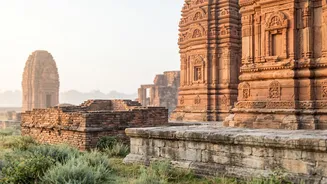
Nestled on the eastern bank of the Mahanadi River, about 80 kilometres from Raipur, lies Sirpur, the city once known as 'Shripur' or the 'city of wealth'. From the 5th to the 12th century, it served as the bustling capital of the Dakshina Kosala kingdom,
first under the Sharabhapuriya dynasty and later flourishing under the Panduvamshis. During its golden age, particularly under the long and peaceful reign of King Mahashivagupta Balarjuna in the 7th century, Sirpur evolved into a major hub for commerce, culture, and religion. The famous Chinese traveller Xuanzang (also known as Hiuen Tsang) visited around 639 CE and described a prosperous kingdom with a large population and over 100 monasteries. Eventually abandoned and swallowed by the jungle, the city was lost to time until excavations, beginning in earnest in the mid-20th century, began to reveal its staggering architectural and historical wealth.
A Symphony of Faiths in Stone
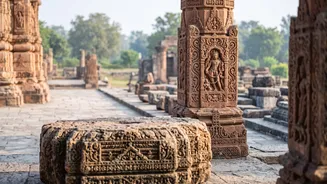
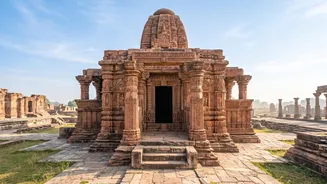
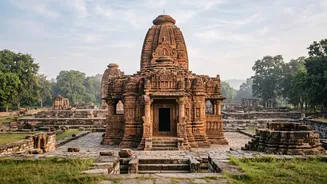
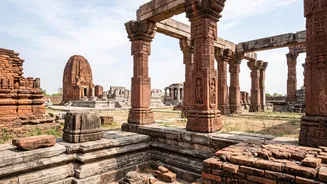
What makes Sirpur's architectural landscape truly exceptional is its rare synthesis of multiple religious traditions coexisting in one urban space. Unlike many ancient sites dominated by a single faith, excavations here have unearthed a stunning array of Hindu, Buddhist, and Jain monuments. The site boasts at least 22 Shiva temples, five Vishnu temples, ten Buddhist viharas (monasteries), and three Jain viharas. This collection is not just a testament to the architectural prowess of the era but also speaks to a remarkable period of social harmony and religious tolerance. Rulers, while often patrons of one faith, supported the construction of temples and monasteries for other communities, creating a unique cultural melting pot that is preserved in the city's ruins.
The Genius of the Lakshmana Temple
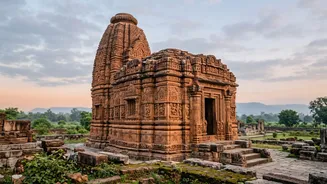
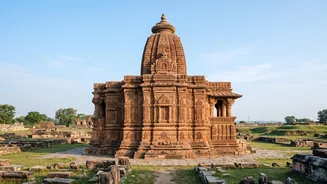
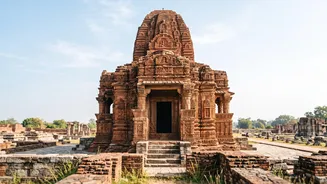
The crown jewel of Sirpur is the Lakshmana Temple, a 7th-century structure that stands as one of India's finest and best-preserved brick temples. Dedicated to Lord Vishnu, it was built by Queen Vasata in memory of her husband. The temple's genius lies in its masterful use of brick, a common material elevated to high art. Its architects created intricate carvings, detailed mouldings, and a towering 'shikhara' (tower) with remarkable precision. The stone doorframe is a work of art in itself, featuring detailed carvings of Vishnu's reclining form (Anantasayana Vishnu), his ten avatars, and scenes from daily life. The temple demonstrates an advanced understanding of engineering and aesthetics, transforming humble brick into an enduring symbol of architectural sophistication.
The Sprawling Buddhist Viharas
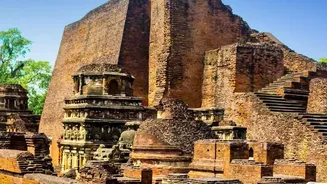
Echoing Xuanzang's historic account, archaeologists have uncovered extensive Buddhist complexes that rival even the famed Nalanda in antiquity. The Teevardev Vihara, for instance, is a massive monastery that once housed monks and featured a monolithic statue of Avalokiteshvara. Another fascinating discovery is the Swastika Vihara, named for its unique ground plan. These monasteries were not just places of worship but also centres of learning and art. The discovery of exquisite bronze sculptures from Sirpur suggests it was a significant workshop for Buddhist art, producing pieces that are considered among the finest of that era. These viharas provide a tangible link to the thriving Buddhist community that once called Sirpur home.
The Road to Global Recognition
Sirpur's inclusion on UNESCO's tentative list is the crucial first step toward earning the coveted World Heritage Site designation. The formal submission dossier, expected by September 2026, will present the case for its 'Outstanding Universal Value'. The argument rests on Sirpur's unique status as a multi-faith archaeological landscape, its exceptional brick architecture as seen in the Lakshmana Temple, and its importance as an early medieval urban centre. Achieving this status would not only bring global recognition but also boost conservation efforts, encourage further research, and promote sustainable tourism. It would ensure that the story of Sirpur's architectural brilliance and its history of cultural harmony are preserved for generations to come.