

The Two Schools of Ripening
The core reason for this difference comes down to how fruits mature. Botanists classify fruits into two main groups: climacteric and non-climacteric. This isn't just jargon; it's the fundamental rule that determines whether a fruit can get better after
it's picked. Climacteric fruits are the ones that can be harvested when mature but still firm and unripe, and they will continue to ripen off the plant. Think of green bananas turning yellow and sweet on your kitchen counter. Non-climacteric fruits, on the other hand, must be picked at their peak ripeness. Once they are harvested, the ripening process stops. They might get softer as they begin to decay, but they will not get any sweeter or more flavourful.
The Improvers: Climacteric Fruits
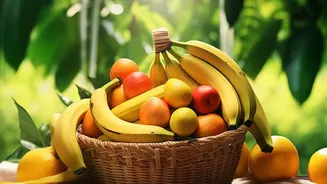
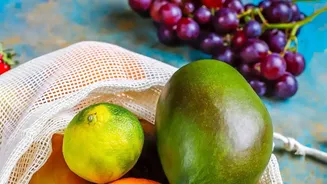
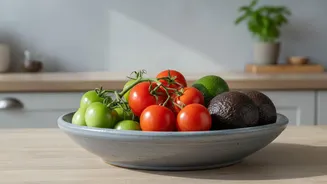
Climacteric fruits are the masters of the post-harvest glow-up. This group includes popular choices like mangoes, bananas, avocados, papayas, peaches, pears, and even tomatoes. Their secret weapon is a plant hormone called ethylene gas. As these fruits mature, they produce a burst of ethylene, which triggers a series of ripening processes. This is a self-catalysing reaction; the presence of ethylene encourages the fruit to produce even more of it. This gas-powered transformation converts starches into sugars (making the fruit sweeter), breaks down cell walls (making it softer and juicier), and changes its colour. This is why a hard, green mango or a starchy banana can transform into a delicious treat after a few days at room temperature.
What You Pick Is What You Get: Non-Climacteric Fruits
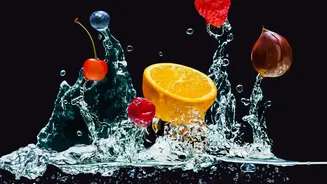
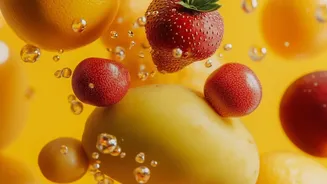
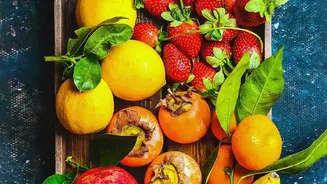
The non-climacteric group includes fruits like grapes, all citrus fruits (oranges, lemons), berries (strawberries, raspberries), pineapple, and watermelon. These fruits have very low ethylene production and are not sensitive to its effects after being picked. Their sugar content is determined while they are still attached to the parent plant. Once harvested, that's it. A strawberry that is white and sour when picked will remain white and sour. It might get mushy over time, but that’s decay, not ripening. For these fruits, the sweetness and flavour are locked in at the moment of harvest, making the selection process at the market critically important.
Shop Smarter, Eat Sweeter
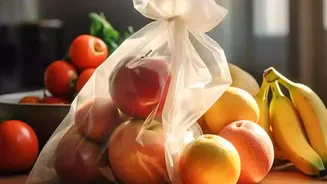
Understanding this difference can completely change how you shop for and store fruit. For climacteric fruits like mangoes or kiwis, you have the flexibility to buy them when they are firm. You can let them ripen at room temperature on your counter. To speed things up, you can place them in a paper bag, which traps the ethylene gas they produce. Once they reach your desired ripeness, moving them to the refrigerator will slow down the process and extend their life. For non-climacteric fruits like grapes or watermelon, the opposite is true. You must choose carefully at the store. Look for fruits that are already vibrant, fragrant, and feel heavy for their size, as this often indicates juiciness. Since they won’t improve, they should be refrigerated soon after purchase to preserve their freshness and prevent spoilage.