



Introducing the PUFFINS Mission
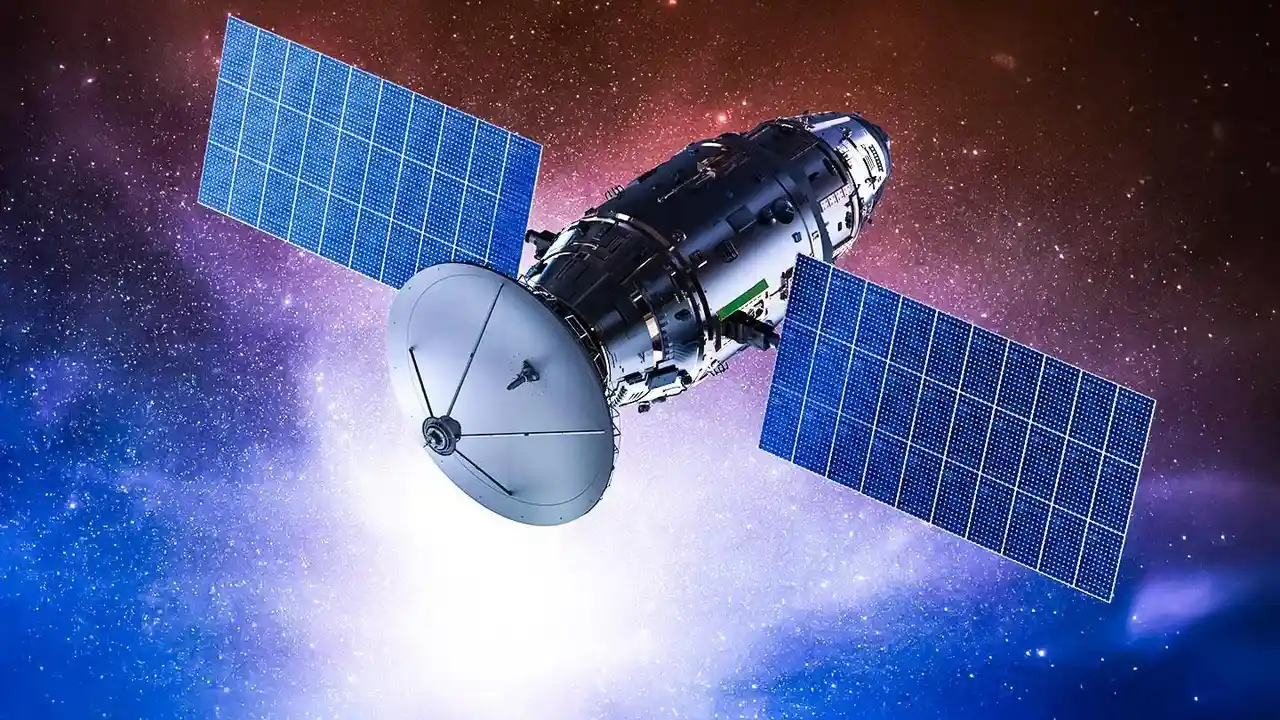
PUFFINS, which stands for Polarimetry in the Ultraviolet to Find Features in INterStellar dust, is a small but mighty NASA mission with a big goal. Led by the University of Arizona, this Astrophysics Pioneers mission will use a SmallSat, a compact satellite
hosting a specialized 10-inch telescope, from its vantage point in low-Earth orbit. Its job is to stare at about 70 different stars and perform a very specific task: measure the polarization of their ultraviolet (UV) light. This technique, called ultraviolet spectropolarimetry, hasn't been deployed in space for nearly thirty years, making PUFFINS a trailblazer that will fill a significant gap in our cosmic knowledge. The mission, which has a launch target of 2030, is a collaborative effort involving multiple institutions, including some from India.
The Cosmic Dust Detective
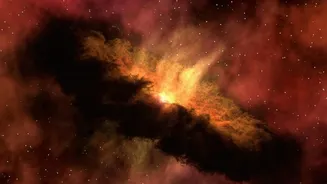
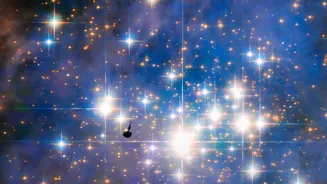
When we think of dust, we might picture the stuff on our shelves. But interstellar dust is far more fundamental. These tiny solid particles, mostly made of carbon and silicates, are mixed into the gas between stars. Although they make up only a tiny fraction of the interstellar medium's mass, they play an outsized role in the cosmos. Dust absorbs and scatters starlight, which can hide distant objects from view. More importantly, it provides the necessary surfaces and shielding for chemical reactions to occur, helping cool gas clouds and allowing them to collapse and form new stars and planets. Understanding these grains is essential to piecing together the complete story of how galaxies evolve and how planetary systems, including our own, come into being.
Why Use Ultraviolet Light?
The key to the PUFFINS mission is its focus on ultraviolet light. Many of the smallest dust particles, some smaller than 50 nanometers (roughly the size of a virus), are essentially invisible to optical and infrared telescopes. However, they leave a distinct signature on UV light that passes through them. The mission will measure a property of this light called polarization, which describes the direction in which the light waves are vibrating. Certain types of elongated dust grains tend to align themselves with the Milky Way's magnetic field, acting like a giant polarizing filter for starlight. As UV light travels from a distant star to the PUFFINS telescope, its polarization is altered by the dust it encounters. By carefully analyzing these changes across different UV wavelengths, scientists can deduce the dust's composition, size, structure, and alignment.
Building a 3D Map of the Void
By observing a carefully selected group of at least 70 stars in diverse environments, PUFFINS will create a detailed map of how interstellar dust varies across our corner of the galaxy. The target list includes stars in nearby stellar nurseries, bright reflection nebulae, and even in our galactic neighbors, the Magellanic Clouds. This will provide crucial insight into how dust behaves under different conditions and how it evolves over time. The space-based UV measurements will be supplemented by ground-based observations from facilities like the McDonald Observatory, which will analyze the gas surrounding the dust grains for a more complete picture. This mission is seen as a crucial scientific and technological precursor to NASA's future Habitable Worlds Observatory (HWO), a major flagship telescope planned for the 2040s, as it will help refine the technologies needed for such ambitious future projects.