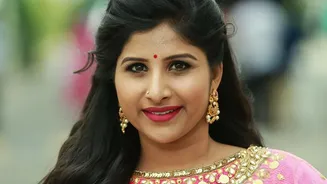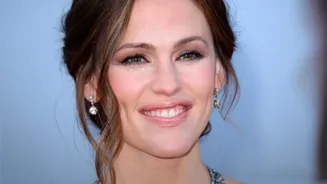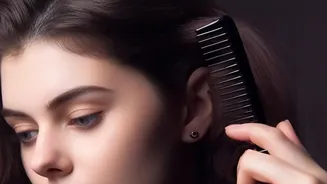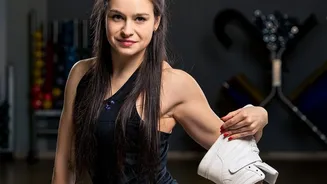



Finding the perfect haircut can feel like a puzzle, especially with a round face. The goal isn't to hide your features, but to enhance them. Long layers around the cheeks offer a stunningly versatile and flattering solution. Here's why.
Understanding the Round Face Shape
Before diving into
the hairstyle, it's helpful to identify what makes a face 'round'. Generally, a round face is characterized by softer, curved lines rather than sharp angles. The width and length of the face are nearly equal, and the cheeks are often the fullest part. Celebrities like Selena Gomez, Gemma Chan, and Emma Stone are great examples of how to style this face shape beautifully. The aim of a great haircut isn't to change your face shape, but to create balance and highlight your best features.
The Magic of Long Layers
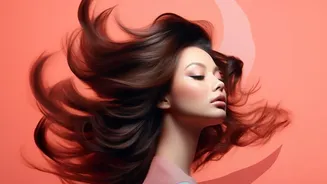
Long layers are a holy grail for round faces for one simple reason: they create vertical lines, which give the illusion of a longer, more oval-shaped silhouette. While shorter layers can sometimes add unwanted width around the cheeks, longer layers that start at the chin or below draw the eye downward, effectively elongating the face. This technique adds movement, texture, and shape, preventing long hair from looking heavy or dragging features down. It's the perfect way to keep your length while adding strategic definition.
Face-Framing vs. All-Over Layers
While both are types of layers, their effect is different. Face-framing layers specifically target the hair around the face, often starting below the chin to softly cup and define the jawline. All-over layers are distributed throughout the hair to add volume and texture. For a round face, a combination is often ideal. Gentle layers throughout the lower half of your hair add movement, while specific, longer face-framing pieces provide the elongating effect where it matters most. This prevents the cut from becoming too bulky at the sides.
The Part Matters: Centre vs. Side
How you part your hair can dramatically change the effect of your layers. A center part works beautifully with long layers, as it creates a symmetrical curtain that frames and lengthens the face. However, a deep side part is another powerful tool. By creating an asymmetrical look, a side part can break up the roundness and add a bit of height at the crown, which further contributes to a slimming effect. Experimenting with both can help you discover which works best for your features and personal style.
Styling Your Layers for Success
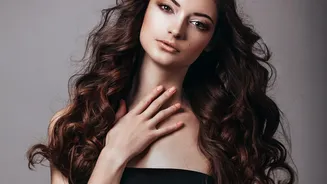
A great cut is only half the battle; styling brings it to life. Soft waves or curls are a fantastic partner for long layers, as they add dimension without adding width, especially when the waves start from the mid-lengths down. When blow-drying, use a round brush to lift the roots for a bit of volume at the crown and to softly bend the ends of your layers. A sleek, straight look also works well, as the straight lines of the hair reinforce the vertical illusion created by the layers.
How to Talk to Your Stylist
Clear communication is key to getting the haircut you want. Bring reference photos of styles you like, preferably on people with a similar hair texture to your own. Use specific language. Instead of just saying 'layers', ask for 'long, face-framing layers that start below my chin'. You can also request 'soft layers' or 'feathered layers' to ensure the look is blended and not choppy. Mention that your goal is to add length to the appearance of your face, not width. A good stylist will understand how to adapt the cut to your specific features.