


Why the Order Matters
The guiding principle behind dessert progression is managing something called 'palate fatigue'. This is the phenomenon where your taste buds become desensitized after exposure to strong flavours. If you start with a dense, intensely rich chocolate torte,
your palate is immediately overwhelmed by the high fat and sugar content. Subsequently, a more delicate dessert, like a lemon sorbet or a fruit mousse, will taste bland or muted in comparison. Its subtle complexities will be completely lost. By starting with lighter options and moving towards richer ones, you allow each dessert to be appreciated to its fullest, creating a sensory journey rather than a flavour overload.
What Makes a Dessert 'Light'?
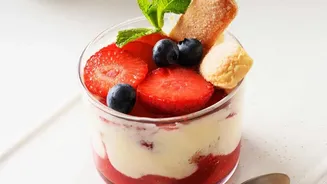
Light desserts are characterized by their clean flavours, airy textures, and lower fat content. They often rely on acidity and natural sweetness from fruit to refresh the palate. Think of them as the opening act, designed to awaken the senses without weighing them down. Examples include fruit sorbets, granitas, delicate mousses, angel food cake, pavlova with fresh berries, or a simple dish of seasonal fruit. These desserts are bright and crisp, preparing the palate for the richer flavours to come without causing sensory burnout.
What Makes a Dessert 'Rich'?
Rich desserts are the headliners, defined by their decadent ingredients and dense, creamy textures. They typically feature a high content of fat and sugar from ingredients like butter, heavy cream, egg yolks, and dark chocolate. Think of a classic New York cheesecake, a fudgy chocolate lava cake, a sticky toffee pudding, or a multi-layered torte. These desserts are meant to be indulgent and deeply satisfying, providing a bold and memorable conclusion to the meal. Their intense flavours and heavy mouthfeel are why they are best saved for last; they coat the palate in a way that makes it difficult to taste anything less powerful afterward.
The Golden Rule of Progression
The rule is simple: serve desserts in ascending order of richness and flavour intensity. This applies to flavour, texture, and even temperature. A typical progression might look something like this:
1. Fruity and Icy: Start with a palate-cleansing sorbet, a fruit salad, or a light granita.
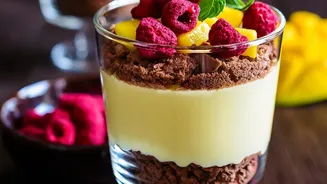
2. Airy and Creamy: Move on to something like a panna cotta, a fruit-forward mousse, or a light sponge cake.
3. Baked and Fruity: A fruit tart or a simple upside-down cake can follow, introducing pastry and a bit more substance.
4. Rich and Creamy: Next, introduce richer dairy-based desserts like cheesecake or crème brûlée.
5. Dense and Decadent: End the experience with the heaviest hitters, such as a flourless chocolate cake, a rich brownie, or a pecan pie.
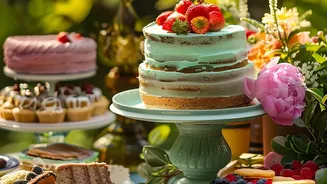
When offering a buffet, arrange the dishes on the table in this order to guide your guests intuitively.
Building a Balanced Dessert Flight
When planning a dessert offering with multiple options, variety is just as important as order. Aim for a mix of textures and flavour profiles to keep things interesting. Contrast a smooth mousse with a crunchy tart, or a warm brownie with a scoop of cold ice cream. Offering a combination of chocolate, fruit, and caramel or nut-based desserts ensures there is something for everyone. For a tasting menu or dessert bar, keep portions small. This encourages guests to sample several items without feeling overwhelmed and allows them to fully enjoy the entire progression you’ve so carefully planned. Aim for two to three small bites per person when serving multiple options.
The Great Cheese Question
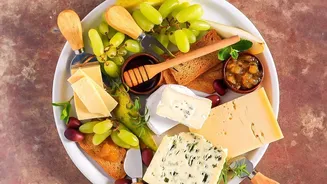
In many dining traditions, particularly French cuisine, a cheese course is served after the main course but before the sweet dessert. This placement acts as a bridge between the savoury and sweet parts of the meal. Cheese, with its complex, earthy, and salty flavours, cleanses the palate after the main course. If you choose to serve a cheese course, it should follow the same internal logic: arrange the cheeses from mildest to strongest. Following the cheese with a light, acidic dessert then provides a refreshing contrast before moving on to richer sweets. It is not traditionally served as an appetizer in this context, as its richness can dampen the appetite for the meal to come.