






The Staggering Daily Figure
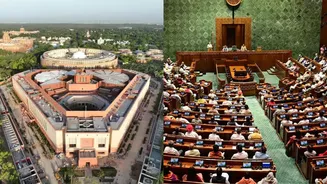
The most widely cited figure for the cost of running Parliament is a staggering Rs 2.5 lakh per minute. This translates to Rs 1.5 crore per hour and approximately Rs 9 crore for a typical six-hour working day when both the Lok Sabha and Rajya Sabha are
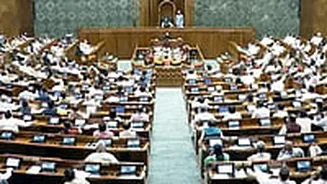
in session. While these numbers originate from an estimate given over a decade ago, they remain the standard reference point for calculating the financial impact of stalled proceedings. During the recent Monsoon Session of 2026, for example, repeated disruptions over various issues meant that for every minute of chaos, a small fortune of public money was effectively drained with no productive outcome.
How The Bill Adds Up
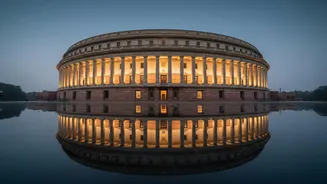
This multi-crore daily cost isn't an arbitrary figure. It is the sum total of all the expenses required to keep the engine of Indian democracy running. The calculation includes the salaries and allowances for all 788 Members of Parliament (in Lok Sabha and Rajya Sabha), which include constituency allowances, office expenses, and secretarial assistance. Beyond the MPs, the bill covers the salaries for a vast ecosystem of parliamentary staff, security personnel, and administrative employees. Furthermore, it includes the enormous operational costs of the Parliament complex itself—electricity, water, maintenance, high-tech equipment, and logistics all contribute to the final tally. These are fixed costs that continue to accrue even when the Houses are adjourned minutes after convening.
The Cost of Lost Productivity
The financial drain is only one part of the story. Every hour lost to protests is an hour not spent on legislative work. Crucial bills that affect national policy on everything from the economy and public health to data privacy and internal security are either delayed or, worse, passed without any meaningful debate. For instance, in past sessions, critical legislation like the Finance Bill, which contains the country's budget proposals, has been passed amidst chaos in a matter of minutes without discussion. This lack of scrutiny has a direct impact on the quality of our laws. When MPs are denied the opportunity to question ministers during Question Hour or raise matters of public importance during Zero Hour, the government's accountability to the people is severely weakened.
The Unquantifiable Democratic Deficit
Perhaps the most significant cost is one that cannot be calculated in rupees: the erosion of democratic principles. Parliament is meant to be the forum for the nation's most pressing issues to be debated. It is where diverse voices are heard and consensus is sought. When disruptions become the norm, this fundamental purpose is defeated. It leads to a decline in public trust and fosters cynicism about the political process. The number of sitting days for Parliament has already dwindled over the decades, from an average of over 120 days a year in the 1950s to around 55-60 days in recent years. When a significant portion of this already limited time is lost to disruptions, it represents a profound loss for the country's democratic health.
A Tactic Used By All Sides
It is important to note that parliamentary disruption is not a new phenomenon, nor is it the preserve of any single political party. Over the decades, parties that are in the opposition have consistently used disruptions as a tool to protest and draw attention to their causes. Once they are in power, they often complain about the very same tactics being used against them. This recurring cycle highlights a deeper systemic issue within India's political culture, where the floor of the House is often treated more as a battleground for political messaging than a chamber for constructive debate. This long-standing practice ensures that while the political players may change, the ultimate loser is always the taxpayer and the democratic process itself.