






The Sweet Reality of Festive Treats
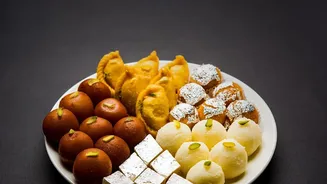
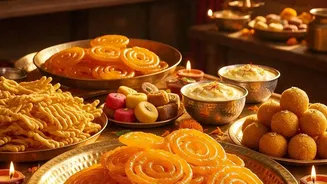
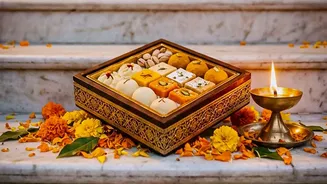
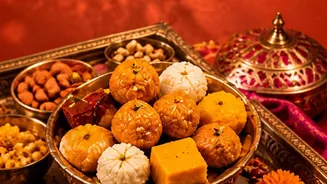
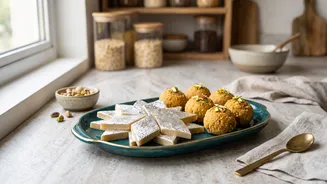
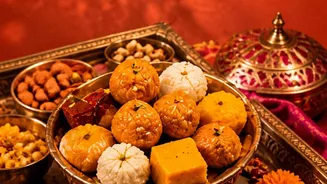
Traditional Indian sweets, or mithai, are a cornerstone of Diwali celebrations. However, they are often laden with sugar. A single piece of a popular sweet can contain a surprising amount of it. For instance, a boondi laddoo (around 30g) can have about
12 grams of sugar. Kaju katli can contain around 45g of sugar per 100g, while syrup-soaked sweets like gulab jamun can have even more. When you consider that health authorities like the World Health Organization and India's ICMR-National Institute of Nutrition suggest an ideal daily limit of about 20-25 grams of added sugar for adults, it's easy to see how quickly a few festive treats can exceed that recommendation. In fact, two or three pieces of mithai might push you over the entire day's sugar budget.
Why Moderation Matters for Your Health
Indulging during a festival is normal, but sustained high sugar intake can have health consequences. When we consume excess sugar, the body converts it into fat, which can be stored in the liver. Over time, this can contribute to health issues like weight gain, insulin resistance, and an increased risk for conditions like type 2 diabetes and heart disease. The combination of sugar, ghee, and refined flour in many sweets can also lead to digestive discomfort, such as acidity and bloating, leaving you feeling sluggish instead of festive. While enjoying a sweet on Diwali won't cause immediate harm, being mindful of the total amount consumed throughout the festive week is a wise approach to long-term well-being.
Savouring Sweets, The Smart Way
Being health-conscious doesn't mean skipping sweets entirely. Mindful eating is the key. Instead of eating on an empty stomach, enjoy mithai after a balanced meal to slow down sugar absorption. Portion control is your best friend; use a small plate and savour one or two pieces slowly, appreciating the taste and texture. Staying hydrated with water or herbal teas can also help manage cravings and flush out excess sugar. If you're visiting friends and family, it can be hard to say no. A polite strategy is to accept a small portion and eat it mindfully. You can also compensate by ensuring your other meals that day are high in fibre and protein, and low in carbohydrates.
Healthier Twists on Tradition
One of the best ways to control sugar is to make sweets at home. This allows you to swap ingredients for healthier alternatives. You can replace refined white sugar with natural sweeteners like dates, figs (anjeer), or a moderate amount of jaggery. Date and nut laddoos, for example, require no added sugar at all. Instead of deep-frying, consider baking items like gujiya to reduce the oil content significantly. You can also make creative desserts like fruit and yoghurt bowls, which are refreshing and light. For a more traditional feel with a healthy spin, try making kheer with millet instead of rice, or besan laddoos using jaggery. These small changes can make a big difference, allowing you to celebrate with treats that are both delicious and nourishing.