

A Labyrinth of Land and Water
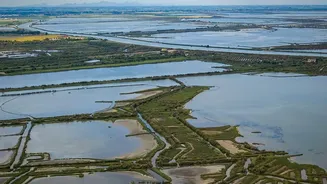
Spanning over 4,000 square kilometres across Romania and Ukraine, the Danube Delta is where the mighty Danube River concludes its journey, fanning out into a mesmerising network of channels, lakes, and marshes before meeting the Black Sea. It is the second-largest
river delta in Europe, but it stands alone as the best-preserved on the continent. This vast, dynamic landscape is a mosaic of floating reed islands, ancient forests, and sprawling sand dunes. Less than 10% of the delta is permanent dry land, creating a unique environment where life is dictated by the rhythm of the water.
A Paradise for Birdwatchers
The delta is most famous for its staggering biodiversity, particularly its birdlife. As a critical stopover for migratory birds, it hosts over 300 species throughout the year. It's a place of superlatives, home to Europe's largest colony of great white pelicans and a significant population of the rare Dalmatian pelican. From eagles and egrets to swans and cormorants, the air and water are constantly in motion. Birdwatching here isn't a niche hobby; it's an immersive experience, with the sheer number and variety of birds astonishing even casual observers. Hiring a local guide is the best way to navigate the channels and find where the flocks are gathering.
Life in the Floating Villages
The Danube Delta is not just a nature reserve; it's a living cultural landscape. For centuries, small communities have thrived here in villages that can often only be reached by boat. These settlements, like Mila 23, Sfântu Gheorghe, and Sarichioi, are home to a rich mix of cultures, including the Lipovans, descendants of Russian Old Believers who sought refuge here. Life is deeply intertwined with the environment. Traditional houses are built to accommodate the water's flow, and fishing remains a central part of the economy and identity. This connection is reflected in everything from local crafts, such as weaving reed into roofs and baskets, to the unique local cuisine.
How to Experience the Delta
The only way to truly understand the delta is to get on the water. Slow boat trips are the classic way to explore, allowing you to quietly glide through narrow canals inaccessible to larger vessels, spotting wildlife along the way. For a more active adventure, kayaking offers an even more intimate connection with the tranquil surroundings. The main gateway city is Tulcea, from where you can take ferries and water taxis deeper into the delta. Many visitors choose to stay for a few days in one of the delta's villages, offering a chance to savour the local food, like the famous fish soup known as 'storceag', and experience the region's profound sense of peace.
A Fragile and Protected Treasure
Recognised as a UNESCO World Heritage Site since 1991, the delta is also a designated Biosphere Reserve. These protections are vital for a fragile ecosystem facing threats from pollution and climate change. Conservation organisations are actively working on 'rewilding' projects, restoring natural water flows and reintroducing species to help strengthen the landscape. Visiting the delta responsibly, by hiring local guides and respecting the protected zones, contributes to the preservation of this extraordinary place for future generations to enjoy.